
Forget the movie scenes of endless puppy cuddles. The real story of animal shelter volunteering is tougher, more complex, and very rewarding.
Think of it as the backbone of a small, chaotic, and very meaningful nonprofit. Your job isn’t just about giving belly rubs (though that’s great). It’s about filling important gaps in a system that’s always stretched thin.
You become the dog walker teaching a nervous shepherd to trust a leash. You’re the admin wizard untangling paperwork so a cat can get its surgery. You’re the event crew turning a parking lot into a festival of second chances.
This isn’t like a feel-good movie. It’s more like a hands-on lesson in logistics, animal behavior, and community strength. No experience? No worries. Training is given because the need is always there.
Your few hours don’t just keep the lights on. They directly improve an animal’s well-being and chances of being adopted. It’s a lesson in efficiency with a side of fur. Ready to find your role? Start by choosing an ethical local organization where your skills will count the most.
Donation Needs
Let’s take a close look at charity: cash is key, and for shelters, it’s essential. Writing a check might seem like passing on your kindness. But that digital payment is a solution to their biggest challenges.
Your donations do more than just add up. They act as a shield against problems. They provide special food for older dogs and fund surgeries to stop overpopulation. They also keep the shelter running smoothly.
Now, let’s talk about the physical donations. Shelters need food, toys, and cleaning supplies. But donating goods needs a smart plan. It’s not just about cleaning out your garage.
Your first step? Check the shelter’s “wish list.” That Amazon list is not just a suggestion. It shows exactly what they need. Giving the wrong items can even cause problems.
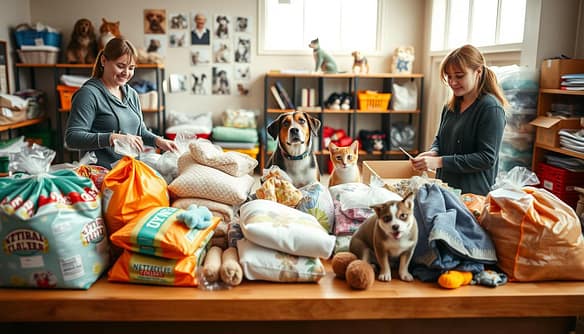
You’re not just giving “stuff.” You’re solving a puzzle. Think of yourself as a philanthropic Sherlock Holmes. You figure out what the shelter really needs, like strong cleaners. It might not be glamorous, but it’s very impactful.
| Donation Type | Shelter Reality | Donor Mindset | Strategic Verdict |
|---|---|---|---|
| Financial (Cash) | Ultimate flexibility. Covers urgent vet bills, utilities, and specialized supplies. | “I trust you to allocate this where it’s needed most.” | Highest impact per dollar. The efficient, no-logistics solution. |
| In-Kind (Supplies) | Must be stored, sorted, and may not match immediate needs. Wish lists are critical. | “I have this specific item I know you need.” | High impact if strategic. Follow the list. Bulk basics (litter, paper towels) are almost always safe. |
| Unsolicited Items | Creates logistical burden. Staff time spent sorting, storing, or disposing of unusable goods. | “I’m decluttering, and animals can use my old stuff.” | Low to negative impact. Can drain resources. Always call first. |
Don’t underestimate the power of a donation drive at your school or workplace. It turns individual kindness into a big force. One person brings a bag of food. Twenty people bring a whole pallet.
Smart donations—whether money or specific items—are key to shelters’ survival. They turn sympathy into real support. Of course, writing a check is just one way to help your local animal shelter. But it’s often the most effective place to start.
Fostering Animals
Fostering is key in animal rescue. It’s a temporary home that helps animals adjust from stressful shelters to loving families. You get to be part of the rescue process from your own home.
Think of the shelter as the emergency room. Fostering is like the recovery room. It’s for young animals, those recovering from surgery, and those stressed by loud kennels. Your home offers a quiet, stable place for them to learn and grow.
As a foster, you’re a hands-on researcher. You see animals change from scared to confident. It’s a chance to see behavioral changes up close and help them thrive.
Shelters give you everything you need. Food, medical care, and supplies are all provided. Your job is to provide a loving home and care. This helps shelters take in more animals, creating a cycle of rescue.
| Animal Profile | Shelter Environment Impact | Foster Home Impact | Adoption Readiness Outcome |
|---|---|---|---|
| Puppies/Kittens (Under 8 weeks) | High disease risk, lacks critical socialization. | Safe development, exposure to home sights/sounds. | Skyrockets. Well-socialized, healthy pets. |
| Stressed or Fearful Dog | Anxiety worsens; may display kennel stress behaviors. | Decompression; learns home routines and trust. | Dramatically Improves. True personality emerges. |
| Post-Surgical/Medical Case | Limited quiet recovery space; higher infection risk. | Controlled, clean environment for healing. | AcceleratesFaster recovery means faster adoption. |
| Mama with Nursing Litter | Extremely demanding on staff resources. | 24/7 care in a calm setting for entire family. | Optimizes. Whole family thrives and gets adopted. |
Fostering is a temporary commitment with a lasting impact. You’re the hero in the pet’s origin story, giving them a safe place to discover their true self. It’s a win-win, bringing you joy and helping more animals find homes.
Fostering makes rescue accessible to everyone. You don’t need a degree or a big house to help. Is your home ready for a temporary, transformative houseguest? If yes, or if you’re curious about other ways to volunteer, learn more at this link.
Fundraising Help
Forget the bake sale—modern fundraising for animal shelters has evolved. It now combines social engineering with cultural capital. You’re not just collecting money; you’re orchestrating experiences where generosity becomes the logical byproduct of a good time.
Think of it as behavioral economics with a heart. People are far more likely to open their wallets when you’re giving them something more than guilt. A “Poses and Pups” yoga class at a local brewery isn’t just funding heartworm medication. It’s merging wellness culture with animal welfare, creating a moment where donations feel like participation in a community trend.
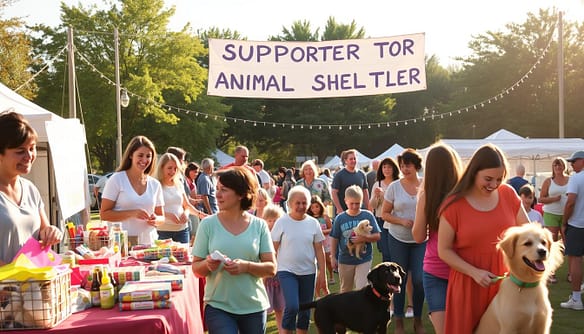
The psychology is simple but powerful. Replace a transactional ask with an emotional and social exchange. Guest bartending nights where all tips go to the shelter? You’re monetizing social time. Dedicating your birthday or wedding to shelter contributions? That’s a subversive act against consumerism, trading material gifts for the tangible metric of a spay surgery.
Success hinges on one non-negotiable rule: coordinate with the shelter. You are the special forces unit; they are command central. Align your event with their messaging, calendar, and current needs. This ensures your creative energy translates directly into effective support.
| Fundraising Approach | Social Capital | Avg. Donation Potential | Effort-to-Impact Ratio |
|---|---|---|---|
| Traditional Bake Sale | Low | $50 – $200 | Medium |
| Generic Online Campaign | Medium | $200 – $500 | Low |
| Themed Event (Yoga + Brewery) | High | $500 – $2,000 | High |
| Personal Celebration Fundraiser | Medium-High | $300 – $1,500 | Medium-High |
The real magic? These efforts often work better as “friendraisers” than fundraisers. You’re building lasting community awareness. Each event guest becomes a future volunteer, foster, or advocate. The value compounds.
Ready to engineer your own generous experience? For a deeper dive into turning ideas into action, explore this treasure trove of actionable fundraising concepts. Your next great party could be their next lifesaving contribution.
Community Outreach
The most strategic form of animal shelter volunteering often happens far from the kennels. It’s in boardrooms, on social feeds, and in neighborhood alleyways managing feline geopolitics. This is the diplomatic wing of animal welfare. Your mission isn’t just to help the animals inside the shelter, but to change the ecosystem outside of it.
Community outreach is about shifting the Overton window of what’s considered normal support. It builds a sustainable base of public goodwill that prevents crises before they start.
Let’s talk about cats. Community cat populations are a big issue. The old model—catch and kill—was a failed state policy. The modern, pragmatic solution is Trap-Neuter-Vaccinate-Return (TNVR).
This isn’t just volunteering; it’s a data-driven public health initiative. You humanely trap cats, get them fixed and vaccinated, and return them to their managed colony. The result? Stabilized populations, healthier cats, and fewer kittens flooding the shelter system. It addresses the root cause, not just the symptom.
Supporting or participating in a local TNVR program is high-level animal shelter volunteering. You’re conducting field operations for long-term peace.
Digital Signal Boosting
Your social media feed is a noisy arena. A shelter’s post about an urgent adoption is one signal among millions. Your share, like, or comment is a small act of digital propaganda. It amplifies that signal.
This costs you nothing but a few seconds. For the shelter, it’s everything. Algorithms favor engagement. Your network might include the perfect adopter or donor. Think of it as running a micro-awareness campaign from your couch.
- Share adoption profiles with a personal note.
- Like and comment on the shelter’s posts to boost their visibility.
- Follow and tag the shelter in relevant community conversations.
This digital community outreach builds a shelter’s online presence, which directly translates to real-world support.
Building Coalitions of the Caring
Your workplace, school, or book club is a possible coalition. Organizing a group initiative is soft-power diplomacy at its finest. You’re not just collecting old towels and pet food. You’re launching a campaign within your organization’s culture.
Propose a volunteer day at the shelter for your team. Organize a month-long donation drive. Sponsor a kennel. These group efforts bring in massive resources and introduce the shelter to entirely new networks.
This kind of shelter support leverages your professional and social influence. It turns your casual colleagues into committed allies for the cause.
| Outreach Tactic | Scale of Impact | Your Primary Skill Used | Time Commitment |
|---|---|---|---|
| TNVR Program Support | Community-Wide (Population Control) | Logistics, Patience, Fieldwork | Project-Based (Weekends) |
| Digital Amplification | Network-Wide (Awareness) | Social Savvy, Communication | Low (Minutes Daily) |
| Group Initiative Leadership | Organization-Wide (Resources & People) | Persuasion, Organization, Leadership | Medium (Campaign Planning) |
The table above shows you don’t need one specific skill. Whether you’re good with logistics, social media, or organizing people, there’s a high-impact role for you in animal shelter volunteering outreach.
Ultimately, this work is about leveraging your voice and your sphere of influence. These are your most potent, un-monetized assets. Talking about the shelter’s work, explaining TNVR, or recruiting your workplace for a drive—these actions build the long-term, resilient support system that shelters desperately need. It’s the smart, strategic front of the animal welfare movement.
Shoutouts to Local Groups
Think of your social feed as a crowded town square. A shoutout isn’t just a like. It’s you stepping onto a soapbox and pointing at the local shelter’s post. You’re saying, “Look here.” In an economy where attention is the hardest currency, this is your micro-investment.
Actively follow your local rescues. Engage with their content. Share that photo of the three-legged puppy. Donate specific items like “Adopted from Midtown Rescue” bandanas. You’re creating a walking, sniffing alumni network. Every dog in a vest becomes a mobile billboard.
Help them distribute physical posters for adoption events. This is grassroots marketing for organizations that might think “viral” is something you treat with antibiotics.
The analytical part is simple. Your network trusts your taste. When you vouch for a group, you transfer social credibility. This isn’t abstract. Credibility converts. It turns scrollers into adopters.
It transforms casual sympathy into tangible donations. Your share is a signal boost that directly funds kennel supplies and veterinary care.
This is the mic-drop of modern support. No checkbook required, just a bit of your digital real estate. You become a curator for compassion. Your platform, whatever size, can be the spotlight that finds Earl the senior dog his forever sofa. That’s advocacy, distilled to its most potent, shareable form.