
In today’s world of endless feeds and clicks, do awareness campaigns really make a difference? Or are they just social media wallpaper for those who care?
The numbers are stark. Nearly six million dogs and cats are expected to enter shelters in 2024. This is not just a statistic; it’s a crisis.
Last year, the number of pets in shelters jumped by 100,000. This is not a gentle trend. It’s a serious emergency.
But here’s the twist. Efforts like the ASPCA’s Rescue Effect or Greater Good’s Clear The Shelters are more than publicity. They are strategic interventions.
They create a cultural moment. They cut through the noise, turning good intentions into a clear call to action. It’s like the difference between a suggestion and a limited-time offer.
The psychology is key. Waived fees, backed by grants like the ASPCA’s $2 million, create urgency. National media partnerships build collective purpose.
The result is a clear impact. One adoption doesn’t just save a life. It frees up resources to save another. It’s basic shelter economics, and the return on investment is seen in empty kennels.
So, why do these efforts matter? Because they provide focus, framework, and a smooth path for compassion to turn into action.
Case Study 1: Local Success
The Rescue Effect campaign found its stride in a local SPCA’s event. The York County SPCA faced high intake numbers. They didn’t just hope for sympathy; they built a machine for pet adoption.
They used Free Adoption Fridays to remove the biggest hurdle: money. The twist? “First come, first served. No appointments.” It was a clever move.

This approach worked because it created a sense of urgency. You had to act fast. Communications Director Kristen Dempwolf said the goal was clear: to “eliminate an adoption barrier and get pets into loving, permanent homes.” And they succeeded.
The national ASPCA provided the plan and funds. York County brought the local hustle. Each Friday, they’d post the available dogs on social media. It was like a weekly trailer drop.
The community showed up ready to adopt. The event was well-organized, like a Swiss watch. They made it easy for everyone to participate.
The result was kennels emptied and a quieter environment. The rescue effect was clear. This success allowed more animals to be saved from overcrowded facilities.
This case study shows a key point. A national campaign gives the tools. But local knowledge and hustle win the battle. The York County SPCA made a big problem into a community celebration of pet adoption.
Key Ingredients of Success
Think of a successful animal shelter campaign as a Silicon Valley growth hack with heart. Compassion is the why, and a smart digital strategy is the how. Shelters that clear their kennels are not just lucky; they’re smart. They use a key quartet of platforms.
Your website is your digital storefront. If it looks old, you’ve lost before starting. It should be as smooth as Amazon’s checkout. Visitors should easily go from seeing cute animals to adopting them in just a few clicks.
Social media is your megaphone. Posting cute photos alone won’t work. Each animal needs a story, from before to after. Use TikTok for raw moments and Instagram for glamour shots. Remember, ads are key to reaching animal lovers.
SEO and content are the unsexy workhorses. You’re not just competing with local shelters. You’re up against every Google search for easy puppy tips. A blog is a tool to capture keywords. It answers real questions and builds trust.
Your newsletter is your most valuable asset. It turns one-time donors into regular supporters. Share adoption stories and make personal asks. This builds community and keeps people engaged.
| Ingredient | Core Function | Key Tactic | Success Metric |
|---|---|---|---|
| Digital Storefront (Website) | Convert interest into action | Streamlined UX & clear calls-to-action | Lower bounce rate, higher inquiry form completion |
| The Megaphone (Social Media) | Build narrative & reach | Platform-specific storytelling + targeted ads | Engagement rate, follower growth, adoption inquiries sourced |
| Search Engine Magnet (SEO/Blog) | Capture intent & establish authority | Answering local search queries with helpful content | Organic search traffic, keyword rankings |
| The Direct Line (Email) | Nurture & retain supporters | Personalized updates & strategic fundraising asks | Open rate, click-through rate, donor retention |
These four elements form a closed-loop system. Social media drives traffic to your website. Your blog captures visitors and feeds them into your email list. Your newsletter shares success stories with loyal supporters. It’s a cycle. Without this, you’re just a museum of cute faces. With it, you’re leading a movement. For more ways to support your local shelter, learn how to support your local shelter beyond adoption.
Building Community Partnerships
The most powerful pet adoption campaigns aren’t built alone; they’re built together. Running your shelter like a fortress might seem noble, but it’s not the best strategy. The real growth happens when you become a community center, not just a charity.
This isn’t about asking for help. It’s about creating a network where everyone benefits. Think of it in two ways. First, the local level, like a coffee shop hosting adoption days. Or a pet store with a donation jar.
These partnerships work because they’re based on mutual benefits. You get more people to know about your work. They get to be seen as caring for the community. It’s a win-win situation that doesn’t cost much but brings a lot of benefits.
Then, there’s the big leagues. This is where campaigns become big movements. Look at Greater Good Charities’ Clear The Shelters campaign. They didn’t just ask for money; they built a strong coalition.
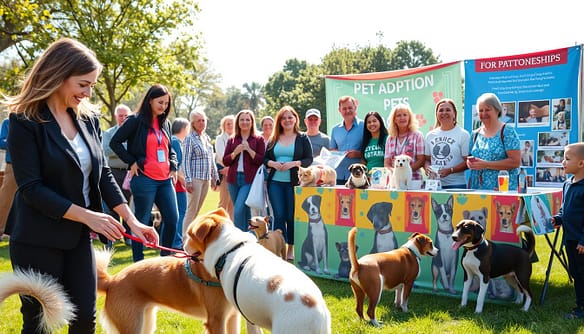
NBCUniversal gave them a huge media platform. Companies like Hill’s Pet Nutrition and The Black Dog didn’t just donate money; they matched it. This made every $20 donation worth $40, getting more people involved.
The result was amazing. They didn’t just adopt out pets from one place. They moved over 130 animals from crowded shelters to places where they could be adopted. That’s not just marketing; that’s logistical warfare for animals.
The lesson is clear. Your campaign’s success depends on your alliances. The model works because it uses everyone’s strengths: media, funding, and local effort.
So, the key takeaway is simple but powerful. Find your local coffee shop hero and your version of Hill’s Pet Nutrition. See every local business and ally as a partner, not just a donor. For more on building these alliances, check out this resource on nonprofit community partnerships. Build your coalition and see what you can achieve.
Lessons Learned
After the last “Adopted!” banner comes down, what’s left? The quiet after a successful animal shelter campaign is where the real education happens. The data from efforts like Clear The Shelters—1.2 million adoptions and over $626k raised—tells a story bigger than numbers.
First, success is fractal. A national milestone is just a million local decisions, made easier by a smart framework. The campaign provides the stage; our collective empathy performs the show.
Second, friction is the enemy. Every complicated form or hidden fee is a family turning away. The most effective pet adoption drives obsess over simplicity.
Third, data opens wallets, but stories open homes. The narrative of a rescue, the mission to clear shelters—this emotional hook is what transforms browsing into action.
The final, critical lesson? The goal was never a one-time transaction. The real win is converting a single act into lifelong advocacy. This is the genius of the ladder: can’t adopt? Foster. Can’t foster? Donate to groups like Greater Good Charities. Can’t donate? Share. This creates the sustainable “ripple effect” of support.
Animal shelter campaigns are catalysts. They prove a massive problem is solvable—not with wishful thinking, but with sharp strategy, deep partnerships, and a relentless focus on making it easy to do good. That’s the sage’s final analysis.