![Pet Adoption in [City]](https://mltmv8qq0s4v.i.optimole.com/cb:X1Y9.9c1/w:1000/h:288/q:mauto/rt:fill/g:ce/f:best/https://allaboutpetsshow.com/wp-content/uploads/2025/12/Pet-Adoption-in-City.jpeg)
Finding your next furry friend isn’t like swiping through dating apps. It’s about ethical ecosystems, not just animal housing.
I’ve seen enough poorly run operations to know the difference. Shelters that truly care treat each animal like the main character in their own story.
Take Chatham-Kent’s organization, which serves 3,000 animals every year. They know community care is more than just numbers. It’s a complex mix of heart and math.
So, how do you find the real deal? It starts with looking beyond the cute faces. Ask the right questions.
Quick Map of Options
Ever wish Google Maps could guide you to better karma instead of just better coffee? Welcome to our curated cartography of compassion.
We’re mapping the ethical landscape of your local animal welfare scene with surgical precision. This isn’t random pin-dropping – it’s strategic intelligence for do-gooders.
Finding the right rescue groups near me shouldn’t feel like solving a Rubik’s Cube blindfolded. Simply select your closest animal center from the sidebar menu (bottom on mobile) to discover all available opportunities in your area.
From hyper-local operations that know every feline’s backstory to mobile surgical units more impressive than most food trucks, we’ve plotted your path to purposeful companionship.
It’s your treasure map to finding amazing foster pets in your neighborhood. The treasure has four legs and might just redecorate your living room.
5–8 featured shelters with specialties
Let’s look beyond the usual animal shelters. We’ll find the ones that really make a difference. These shelters are like superheroes, each with their own special power.
Why choose the ordinary when you can back something extraordinary? These shelters are unique, with a clear mission and purpose.
One shelter helps senior pets, giving them a second chance at life. Another focuses on rehabilitating animals with behavioral issues. They offer a safe space for animals to heal.
There’s also a mobile vet service that brings care to where it’s needed most. Each shelter tackles a different challenge in animal welfare.
Choosing the right animal shelter is like picking a specialty coffee shop. They all serve a purpose, but each has its own unique flavor and approach.
| Shelter Name | Specialty Focus | Unique Service | Volunteer Opportunities |
|---|---|---|---|
| Humane Society London & Middlesex | Community Outreach | Mobile vaccination clinics | Animal care, event support, education |
| Ontario SPCA MASH Unit | Mobile Veterinary Care | Surgical services on wheels | Medical support, transport assistance |
| Golden Years Sanctuary | Senior Animal Care | Palliative care programs | Companion walking, hospice support |
| Behavioral Rehabilitation Center | Trauma Recovery | Customized training programs | Behavior therapy assistance |
| Feline Focus Rescue | Cat-specific Care | Large-scale TNR programs | Foster networks, trap-neuter-return |
| Working Breed Rescue | High-Energy Dogs | Job placement training | Exercise partners, skill training |
| Avian & Exotic Sanctuary | Non-Traditional Pets | Specialized habitat care | Species-specific handling |
These shelters are at the forefront of animal welfare. They focus on specific needs, providing unique care. Each offers special volunteer roles, from medical support to companionship.
The best shelters are experts in their field. They provide exactly what animals need to thrive. It’s not about being everything to everyone; it’s about being the best at what you do.
Supporting these shelters means more than just adopting a pet. It’s about backing a mission and joining a community that makes a difference.
What to Expect at Each
Entering top rescue groups near me feels welcoming, like stepping into your favorite local hangout. They work with the smoothness of a Swiss watch but also with the warmth of your grandma’s home.
These groups are proud to share their achievements. They help thousands of animals every year and perform hundreds of surgeries. You can feel their transparency in the air.
But the true test is how the animals act. Happy animals show you’re in the right place. You’ll quickly see if it’s a temporary stay or a real home.
Supporting these groups is more than just giving. The best way to help is by donating to shelters that care this much.
Hours, services, adoption fees, foster needs
Adoption fees are not random numbers. They cover the real costs of care. That $250 fee includes vaccinations, spay/neuter surgery, and microchipping. Pet adoption centers are like non-profit healthcare providers, but with animals.
Foster needs are urgent, like spring’s “kitten season”. Shelters get flooded with animals, needing homes fast. This is when foster pets [City] programs really need help.
Shelters have limited hours for a reason. It helps reduce stress on the animals. The best centers balance access with animal comfort, helping everyone stay calm.
Services vary from basic care to medical support. Some are like urgent care, while others focus on long-term healing. Knowing this helps set realistic adoption timelines and support levels.
Foster volunteers are key in this system. They provide temporary homes, helping animals heal until they find permanent homes. It’s like triage, but with animals and lots of love.
Success Stories from the Community
Ever wonder if your contribution actually makes a difference? Let’s cut through the sentimentality and look at cold, hard results.
That three-legged pit bull who became a therapy animal? Funded by donations. The managed feral cat colony thriving behind the local shopping center? Community-supported. These aren’t heartwarming tales – they’re strategic victories.
Your support creates measurable change. It transforms vague sympathy into concrete impact. Think of it as Yelp reviews for your karma.
Join us in building better outcomes. Your contribution will significantly impact lives in our local community. Let’s bridge the gap in access to veterinary care together.
Ready to find rescue groups near me that deliver real results? This is how we turn compassion into calculated change.
Short quotes and wins
Let’s look at the real numbers that count. These aren’t just stats – they’re victories in wagging tails and purring cats.
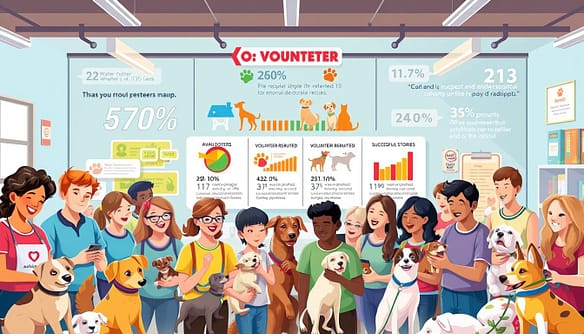
947 volunteers. That’s nearly a thousand people who chose helping animals over Netflix. 193 foster volunteers opened their homes. This means 193 animals got to feel real furniture instead of cold concrete.
3,156 hours of care is like 131 days of non-stop belly rubs and medical help. Next time you’re grumbling about work, remember this.
The Humane Society London & Middlesex helps 2,500 animals every year. That’s 2,500 second chances. 2,500 stories that could have ended badly but got a happy ending instead.
| Metric | Number | What It Really Means |
|---|---|---|
| Total Volunteers | 947 | Nearly a thousand people choosing compassion over convenience |
| Foster Volunteers | 193 | 193 temporary homes giving animals a taste of family life |
| Care Hours | 3,156 | 131 consecutive days of dedicated animal care |
| Annual Animals Served | 2,500 | 2,500 lives redirected from suffering to safety |
These numbers show our city’s best animal shelters are making real changes. When you foster pets, you’re part of these important statistics.
Compassion has a real value. Every hour volunteered, every animal fostered, every life saved adds up to something meaningful.
How to Compare & Visit
Choosing a shelter isn’t like comparing grocery stores. You can’t just look at price tags and convenience.
This is due diligence for your future furry family member. We’ll teach you how to read between the lines.
How you become a volunteer with us can vary a little bit depending on the role. But it basically consists of 6 simple steps.
Visiting should feel like respectful observation, not a zoo tour. Ask about enrichment programs and behavioral support.
The best rescue groups near me welcome thoughtful questions. They demonstrate you’re serious about responsible adoption.
It’s like interviewing a daycare for your human child. But with more tail-wagging and less paperwork.
Feel free to come in and visit! The right pet adoption centers will appreciate your careful approach.
Questions to ask, red flags
Choosing a shelter is like dating. You need to watch for red flags before getting too deep. Your time, money, and feelings should go to a place that truly helps, not just looks good on Instagram.
Begin with tough but important questions. Ask about their euthanasia policy. If they avoid this, they might be hiding something. Also, ask about medical care for animals. Do they have a vet? How do they handle sick animals?
When thinking about donating to shelters, you must check their finances. Ask for their annual report. If they can’t explain their spending, it’s time to leave. An organization helping 3,000 animals should be financially clear.
For those wanting to foster pets [City], look into their volunteer program. What’s the minimum age? What are the requirements? Most importantly, how much time do they expect from you?
Here are the red flags to watch out for:
- The smell test: Places should smell clean, not bad
- Staff energy: Look for teams that are excited, not tired
- Vague answers: Clear stats are key; vague answers mean they might be hiding something
- No follow-up: Good places keep in touch after you adopt
Green flags include clear stats, honest talk about challenges, and real enthusiasm. The best places will share their successes and failures openly.
When you donate to shelters, you’re backing a mission. Make sure it’s a mission worth your money. The right questions will show if you’re helping animals or just paying someone’s salary.
For foster pets [City] programs, ask about training and support. Do they give supplies? Medical help? Emergency contacts? A good program will support you when things get hard.
This isn’t about being cynical. It’s about being smart with your kindness. Animals need real help, and you deserve to know your support is making a difference.
Action Steps
Enough analysis – let’s talk action. You’ve read the stats, felt the feelings. Now it’s time to turn good intentions into real action.
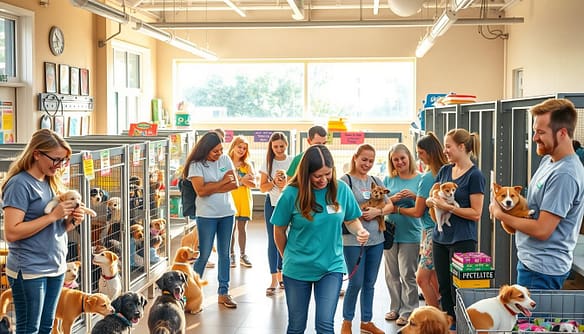
Think of this as a fitness plan for your ethical muscles. We’re not talking about grand gestures. Sustainable engagement is what wins every time.
First, honestly assess your capacity. How much time do you really have? What skills can you offer? Do you have space for fostering?
Next, match yourself with organizations that need exactly what you offer. This isn’t about being another well-meaning but flaky volunteer.
The actual outreach matters. Submit your application online like a pro. Complete the required paperwork and online training without complaint.
Show up for that in-person orientation. Then actually manage your volunteer schedule like the competent adult you are.
Finding the best animal shelters and rescue groups near me is step one. Becoming a reliable asset is what truly matters.
30-60-90 day plan to adopt/foster/volunteer
Changing your life to help rescue animals takes time. It’s not like superhero movies where heroes change fast. Real change needs a careful plan.
The first 30 days are for learning and exploring. It’s not just looking at cute animal pictures. You should research local groups, learn what they need, and start making connections. Ask tough questions like “How much time will volunteering take?” because your schedule is already full.
Days 31-60 are for getting involved. You’ll go from just thinking about helping to actually doing it. Try out short foster periods or volunteer shifts. It’s like dating – you’re seeing if it’s serious.
The last 30 days are for becoming a regular part of the support system. By day 90, you should have a routine. This could be regular volunteering, fostering pets, or donating to shelters. This slow start helps you avoid burnout.
This careful plan helps you become a long-term supporter. You’re not just helping animals; you’re changing your own habits. This makes you a part of the solution for good.
The Humane Society says, “Explore the different ways you can support… You CAN make a difference!” They’re right; it’s not about quick fixes. Real change comes from steady, thoughtful actions.
So, here’s your plan:
- Month 1: Learn and reach out
- Month 2: Try it out and get involved
- Month 3: Become a regular supporter
This plan isn’t about being slow. It’s about creating lasting change. Remember, New Year’s resolutions don’t usually last long.
Your Move in This Urban Ecosystem
We’ve explored local pet adoption centers, their specialties, and the human-animal connection. Now, it’s time to act. With 6-8 million animals entering shelters every, your help is critical.
The top animal shelters in our city work hard to save lives. They’ve made adoption easier, neutered animals before adoption, and teamed up with vets. But they need more help. Your actions, whether adopting, fostering, or volunteering, can make a big difference.
This isn’t about saving every animal at once. It’s about changing one life at a time. Shelters are ready for your help. They need your space, time, and skills. What role will you take on to change these numbers?
Go to your local pet adoption center this week. Ask the right questions. Find where you can help the most. The animals are waiting, and so is the system. Your contribution is essential.