Let’s get real about animal welfare’s most misunderstood term. The “no-kill shelter” label isn’t a magic shield. It doesn’t stop tough decisions.
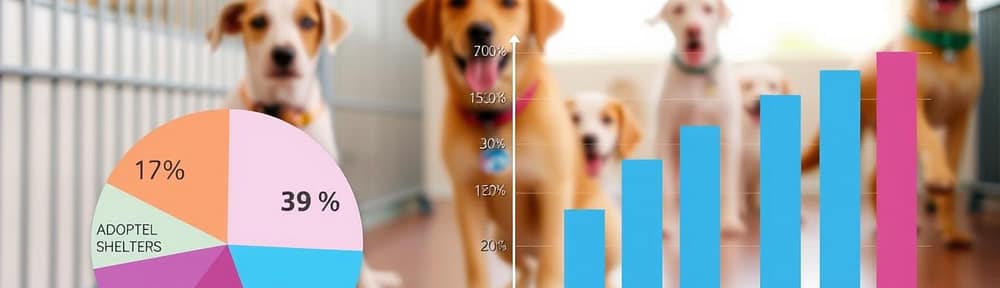
Think of it like an A- grade, not straight A’s. Shelters aim for a 90% live-release rate. It’s not perfect, but it’s progress.
We’re about to uncover what’s behind the “no-kill” label. Get ready for some uncomfortable truths and data. Knowing the numbers behind shelters is more important than just feeling good.
Arrival & Intake
Welcome to the heart of animal rescue, where every story gets a second chance. The intake process is more than just paperwork. It’s a mix of forensic storytelling and emergency care.
Imagine a terrier mix coming in with no past, just a shelter ID. We’re figuring out their story through body language and building trust. It’s like solving a mystery and creating a bond.
Every animal’s journey starts with important details. We check for microchips, look at their medical history, and see when they’re available. This isn’t just red tape. It’s creating a path for their redemption. The intake process turns unknown animals into individuals with bright futures.
This is like the most critical first date you’ll ever see. Will they trust us? Can we help them? The answers start here.
Microchip scans, vaccines, quarantine
Imagine walking into a high-stakes medical triage center. Every patient has an unknown history and questionable items. This is what intake at a modern shelter is like – a mix of detective work, medical care, and disease control.
The microchip scanner is like a truth-teller. It checks if an animal has a home address. When it beeps, it’s a beautiful sound. Finding a pet’s home is better than adopting it.
Vaccinations turn intake areas into immunological boot camps. We’re protecting animals from diseases that spread fast. Core vaccines create shields before they meet the public.
Now, let’s talk about quarantine. It’s not punishment. It’s a wellness retreat to keep diseases out.
Our quarantine process is strict:
- Minimum 14-day observation period
- Daily health monitoring charts
- Strict sanitation protocols between units
- Heartworm testing for all dogs
- Feline leukemia/FIV testing for cats
Heartworm status is key during quarantine. Positive tests mean isolation and special treatment. Heartworm rates are high, up to 40% in some areas.
We gather medical details during quarantine. This builds health baselines for animals with unknown pasts. We treat more than just immediate issues.
Here’s how our intake medical data breaks down across species:
| Species | Vaccination Protocol | Average Quarantine Duration | Heartworm/FeLV Positive Rate |
|---|---|---|---|
| Dogs | DHPP, Bordetella, Rabies | 14-21 days | 22% |
| Cats | FVRCP, Rabies | 14 days | 12% FeLV+ |
| Small Animals | Species-specific | 7-10 days | N/A |
This quarantine isn’t about barriers. It’s about managing populations responsibly. Skipping these steps can lead to outbreaks worse than zombie movies.
This system turns unknown animals into adoptable pets. A coughing terrier becomes a healthy family pet. A shy cat becomes a healthy pet ready for a home.
Science meets salvation here. It leads to better outcomes for all.
Medical & Behavior
Welcome to the diagnostic division where we play medical detective and behavioral psychologist at the same time. It’s like Sherlock Holmes meets Dr. Dolittle, but with more paperwork and fewer talking animals.
That “aggressive” label? Often just fear wearing a bad outfit. The “shy” behavior? Frequently intelligence assessing new threats. We’re not just treating symptoms – we’re translating trauma into treatable conditions.
Every animal arrives with emotional baggage. Our job is to unpack it carefully, separating medical needs from behavioral adaptations. It’s part science, part psychology, and entirely fascinating.
The real magic happens when we look beyond surface behaviors. What appears as resistance is often protection. What looks like defiance is frequently self-preservation. We’re decoding the unspoken language of survival.
Clinic flow, behavior assessments
Imagine a medical jazz ensemble where the sheet music is written in pheromones and heartbeats. That’s shelter clinic flow – structured improvisation where the tempo changes with each animal’s emotional state. We’re not running an assembly line here. This is emotional triage where a trembling Chihuahua gets priority over a routine vaccine.
Our veterinary practice hours look more like a musician’s rehearsal schedule than a corporate calendar. Morning sessions might handle thirty animals, while afternoons become intensive care units for one critical case. The medical infrastructure dances between planned procedures and emergency solos.
Behavior assessments? Forget pass/fail exams. We’re mapping personalities like cartographers charting unknown territories. That growl isn’t a failure – it’s a data point. Is it saying “respect my space” or “I’m terrified”? The difference determines whether we build trust bridges or reinforcement walls.
We discover communication styles through what I call “conversations with consequences.” A cat’s flattened ears speak volumes about her previous life. A dog’s whale eye tells us more about his trauma than any intake form. These assessments aren’t tests; they’re translations of emotional languages we’re just beginning to understand.
This interpretive approach requires expanding veterinary capacity beyond medical skills. Our team trains in emotional literacy alongside medical protocols through resources like expanding veterinary capacity shelters. Because sometimes the most important diagnosis isn’t medical – it’s determining how much trust an animal has left to give.
Living Spaces
Forget everything you think you know about animal housing. This isn’t storage – it’s behavioral architecture designed to reduce stress and increase adoptability.
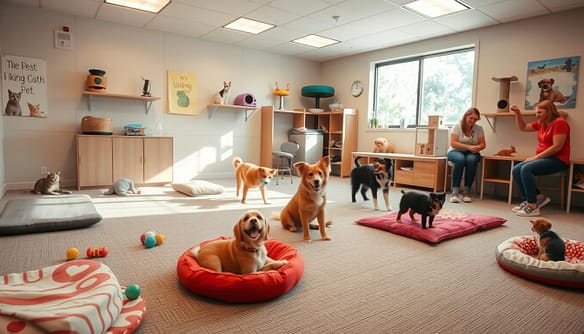
Modern living spaces are like boutique hotels, not traditional kennels. They have sensory-friendly environments and noise-reduction technology. It’s like something a Montessori teacher would be proud of.
These enrichment rooms show a big change in how we think. The space isn’t a cage – it’s a place for new starts.
Every animal gets a plan based on their needs and personality. This way, animals stay true to themselves, even when things change.
This new way of thinking turns temporary housing into something amazing. It’s where design meets care, making spaces that heal, not just hold.
Kennel design, cat colonies, quiet rooms
Animal shelters have changed a lot. They’re now places that help animals feel better, not just hold them. These spaces are designed to change how animals feel.
Kennel design now combines architecture and science. The old days of cold, hard places are gone. Now, we have:
- Sound-absorbing materials to lower stress
- Visual barriers to stop staring contests
- Temperature control for comfort
- Natural light to match their natural day-night cycle
Cat colonies are like co-working spaces for cats. They have places to climb, hide, and socialize. This lets cats live in a way that feels natural to them.
For cats that are close, staying together helps them avoid stress. It’s like keeping friends together, but without the bad pizza.
Quiet rooms are special places for animals to relax. They’re not punishment, but places to calm down. These rooms have:
| Feature | Traditional Shelter | Modern Quiet Room |
|---|---|---|
| Lighting | Harsh fluorescent | Adjustable dimming |
| Soundproofing | Minimal | Professional grade |
| Temperature Control | Basic HVAC | Precision climate |
| Enrichment | None | Puzzle feeders, calming scents |
These spaces are more than just comfy. They help animals heal from past traumas. The right design can make animals more ready for adoption.
This is science turned into real life, through design. The right building can be part of the healing process. It shows that sometimes, the best help comes from how we design spaces, not just from medicine.
Foster & Transport
The foster network is like a big family for animals. It’s a group of temporary homes where they can live and learn. Here, kindness and care come to life.
Transport is more than just moving animals. It’s finding the right place for them, based on where they are. This is a mix of planning and caring, all happening together.
Today, there are lots of support resources and training materials for foster families. It’s like a special service that helps animals find a new home. And it’s all done with care and understanding.
It all works because of the kindness of regular people. They open their homes and hearts, helping animals across the country.
Criteria, logistics
Ever wonder why foster applications seem like getting a security clearance? The foster criteria aren’t just random steps. They match humans and animals perfectly. It’s more about understanding each other than just filling out forms.
Our foster training requirements are like a mix of corporate training and parenting classes. We teach everything from giving meds to reading animal behavior. It’s a big responsibility, like giving someone a living creature.
The foster logistics are quite complex. They’re like Amazon’s delivery network but for animals. We handle:
- Veterinary appointments across multiple clinics
- Behavior updates from dozens of temporary homes
- Supply deliveries that would impress DoorDash
- Adoption events that require more planning than a wedding
This isn’t just about paperwork. It’s about managing temporary families remotely. Our virtual support systems give foster parents help anytime. They have access to experts 24/7.
| Foster Challenge | Traditional Solution | Our Approach | Success Rate Impact |
|---|---|---|---|
| Medical emergencies | Emergency clinic visit | Video triage + mobile vet dispatch | 87% faster response |
| Behavior issues | Return to shelter | Virtual behavior consultation | 92% retention rate |
| Supply shortages | Shelter pickup | Contactless delivery system | 100% fulfillment rate |
| Adoption coordination | In-person meetings | Virtual meet-and-greets | 63% faster adoptions |
The paperwork might be a lot, but the results are amazing. Seeing a scared animal become happy in a new home is unforgettable. It’s more than just data.
Our secret is treating foster logistics like a military operation but with heart. We plan every veterinary appointment and behavior update carefully. Every adoption event is a chance for a happy ending.
At the end of the day, we’re not just moving animals. We’re creating happiness, one foster placement at a time.
Adoption Experience
Remember when finding a furry friend felt like looking through a catalog? Those times are over. Today, the adoption process is much more than that.
We’ve moved from just filling out forms to finding the perfect match. It’s not about buying a pet. It’s about growing your family with care and precision.
Behavioral science and intuition come together here. We look at personalities, lifestyles, and that special connection. It’s like eHarmony, but with more fur and fewer awkward dates.
Our method uses both data and heart. This way, we create lasting bonds. The best matches aren’t just found; they’re made.
Counseling, home trials, post-adoption support
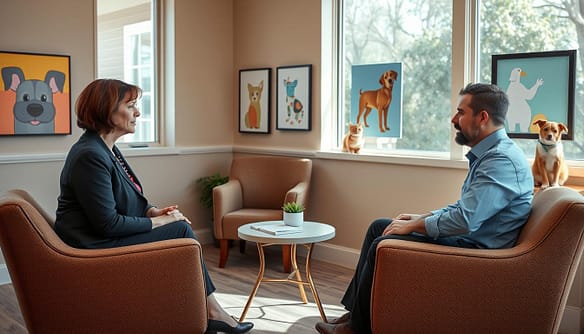
Adoption counseling is like relationship therapy for animals and humans who haven’t met. It’s not about selling pets, but finding the right match. We aim to ensure a good fit, not just a quick sale.
It’s a reality check for those dreaming of pet ownership. We help make their dreams more realistic. We ask tough questions to help them decide.
Questions like, “Where will the dog stay when you’re at work?” or “How will your cat adjust to a new baby?” These help sort out serious adopters from those who just want a pet.
Home trials turn adoption into a scientific test. It’s not just a test drive; it’s a deep dive into compatibility. The animal gets to see your home, and you see its true self.
This trial period uncovers things shelters can’t. Like how the dog reacts to loud noises or if the cat likes your old rug. These moments are real and happen at home.
Post-adoption support is key but often overlooked. It’s like counseling for humans and animals who don’t speak the same language. We help prevent small problems from becoming big reasons to give up.
Our support includes:
- 24/7 behavior hotline for emergencies
- Training tips for common issues
- Online forums for sharing experiences
- Regular check-ins at important times
This approach turns short-term kindness into lasting commitment. We’re not just placing animals; we’re building strong support networks. The real work starts after the adoption is finalized.
Successful adoptions need more than good intentions. They require ongoing support, realistic expectations, and expert advice. Our system acknowledges that adding a pet is a big change in your life.
The magic happens when initial excitement meets ongoing support. This is how we create lasting relationships between humans and animals.
Tech & Data
Welcome to the digital world of today. We’re using software that’s as advanced as NASA’s. It’s not about replacing people, but making our connections stronger.
Our data dashboard is like a space mission control. We track things with the accuracy of a Mars landing. We predict needs like weather forecasters.
That digital tour is a way to connect deeper. It’s not about replacing face-to-face meetings. It’s about making a digital connection that leads to real change.
The numbers tell a story that’s more powerful than any report. They show us patterns and predict what we need. This is where data meets heart, leading to real change.
Software, outcome tracking
Remember when shelter software was just digital index cards? Those days are long gone, like dial-up internet.
Now, we have predictive analytics platforms that would impress NASA engineers. These tools turn raw data into strategies that save lives.
Outcome tracking is more than just keeping records. It’s about tracking every animal’s journey and making it better. It’s purposework.
The live-release rate shows how well your shelter is doing. It’s like a report card for your shelter. This number tells you more than any meeting ever could.
Tools like Facebook analytics work with outcome tracking software. They make complex data easy to understand. Suddenly, spreadsheets become tools for saving lives.
| Software Feature | Basic Systems | Advanced Platforms | Impact on Live-Release Rate |
|---|---|---|---|
| Real-time Tracking | Manual updates | Automatic sync | +15% efficiency |
| Predictive Analytics | Not available | 90-day forecasts | +22% planning accuracy |
| Integration Capabilities | Standalone system | Multi-platform connect | +18% data utilization |
| Visual Reporting | Basic charts | Interactive dashboards | +25% stakeholder engagement |
Measuring compassion in percentages might seem cold. But when those numbers represent living creatures? That’s where data meets destiny.
The right software doesn’t just track outcomes. It creates better ones. Your live-release rate becomes more than a number. It becomes your mission statement.
Safety & Disaster Prep
Emergency protocols aren’t the most exciting topic in animal care. They’re like blueprints you hope you never need. But when disaster strikes, you’re glad you have them.
While we were watching disaster movies, our team was writing survival scripts. We prepared for hurricanes and pandemics, covering every scenario.
Animals can’t evacuate or call for help. That’s why our emergency systems are critical. They’re not just paperwork; they’re lifesavers.
Disaster prep is where hope meets practicality. When disaster hits, animals need more than just hope. They need solid plans and reliable systems.
How Advocates Can Support
Think you need boots on the ground to make a difference? Welcome to advocacy’s digital revolution.
Your smartphone is now a key tool for helping others. Forget old ideas of volunteer work. Today, you can make a difference through your phone.
Every like, comment, and follow can change lives. It’s not just slacktivism. It’s a powerful way to keep important programs going.
Now, you can help from anywhere. The No Kill Advocacy Center shows how online efforts can grow into big movements.
Your online actions are more important than you think. They can lead to policy changes, educate people, and save lives.
This is the golden age of remote compassion. Your digital actions might be the only thing saving an animal’s life.
Virtual volunteering, micro-donations, wishlists
Do you think you need to quit your job to help animals? Think again. Today, helping animals is easier than ever, thanks to technology.
Virtual volunteering is like the gig economy for kindness. It’s small actions that add up to big changes. You can help by sharing posts, running online campaigns, or even counseling animals remotely.
Using your screen for good is powerful. Every time you share or like, you help more animals find homes and get help.
Micro-donations are big when they’re small. They’re like tiny building blocks that make a huge difference.
Platforms like Facebook fundraisers make giving easy. You can start a fundraiser for your birthday instead of gifts. Or, you can round up your coffee costs to help animals in need.
Wishlists are more than just shopping lists. They’re a way to send exactly what animals need. Amazon wishlists let shelters list their needs clearly.
No more guessing what’s most needed. Shelters list everything from flea meds to kitten food. You buy it, and it goes straight to them.
This is how giving meets convenience in the digital age. Your home becomes a hub for helping. Your phone is your tool for making a difference.
Your Next Move in the No-Kill Journey
No-kill shelters are a community effort. Everyone has a role to play. You’ve seen how they work. Now it’s time to take action.
You can support in many ways. You can volunteer online. Or donate small amounts. You can also share wishlists with friends.
Every action counts in saving lives. Animals need constant help. Your involvement keeps the mission alive.
Ready to join the effort? Look for local shelters. Offer your skills. Make a difference today.