
We’ve learned to save cats and dogs, but we ignore pigs and chickens. It’s like Animal Farm meets today’s factory farms. The irony is clear to anyone who’s read Orwell.
Why do we love saving puppies but not pigs? Our selective kindness shows us uncomfortable truths about speciesism. Most farm animals never see the sun, but we’ve grown used to their pain.
This is more than just rescue. It’s about humane education and facing our cultural biases. That farm animal sanctuary you saw online? It’s just a tiny part of the real world.
Get ready for a mind-bending journey. We’ll show why these animals should get the same love as our pets. The facts will stun you, and the cultural connections might make you uncomfortable.
Sanctuary Grounds
Welcome to Animal Airbnb – minus the questionable decor and hidden cleaning fees. Let’s take a virtual architectural tour. The design philosophy would make any urban planner weep with envy.
These spaces are crafted with more thought than most human habitats. Pasture dynamics get the precision of city planning. Shelter design follows Feng Shui principles for our four-legged friends.
The science behind enrichment for farm animals would make behavioral psychologists nod approvingly. We’re talking about spaces that rival any wellness retreat you’ve overpaid for.
At places like this upstate New York haven, every element serves a purpose. It’s where architecture meets compassion in the most brilliantly designed ways.
Barns, pastures, quarantine areas
Barns are more than just old buildings. They are key parts of animal care, designed to help animals heal. Every part of the barn is made to help animals feel safe and calm.
In a farm animal sanctuary, barns act like therapy rooms. They have big doors to stop animals from feeling trapped. The lighting is soft, like the sun, for animals who have never seen it.
The space between stalls lets animals be together but also have their own space. This is important for animals and for us, too, in our work spaces.
Pastures are like big social studies. Watch how rescued pigs form their own groups. It’s like watching politics in action. Sheep communicate through their grazing patterns, and even the mud wallows are planned out.
Quarantine areas are like the animal world’s ICUs. They help animals adjust after being in bad conditions. These areas use special filters and keep everything just right for the animals’ health.
The table below shows how sanctuary spaces compare to human systems:
| Sanctuary Space | Human Equivalent | Key Design Features | Psychological Purpose |
|---|---|---|---|
| Main Barn | Trauma Recovery Center | Wide aisles, natural light, visual access | Reduce anxiety, build trust |
| Pastures | Community Ecosystem | Varied terrain, multiple resources | Social integration, natural behaviors |
| Quarantine | Medical ICU | Isolation, medical access, calm environment | Decompression, health stabilization |
Many animals get better care than some people. Their homes are designed to meet their needs, unlike many human places. This shows how much we can learn from animal care.
The design of a farm animal sanctuary is more than just a place to live. It’s a space where animals can heal and thrive. Every detail, from the doors to the scratching posts, shows care and understanding.
Daily Care
While you’re debating whether to hit snooze for the third time, these creatures are enjoying a wellness routine that puts your self-care Sunday to shame.
Their nutritional plans make your meal prep service look like amateur hour. We’re talking precisely calibrated diets that would make a Michelin chef blush.
The healthcare protocols here are more thorough than your employer’s insurance. Regular check-ups, preventive care, and immediate attention – because these residents don’t have to wait six weeks for an appointment.
But the real magic happens with enrichment for farm animals. Forget that meditation app you abandoned – these activities actually work. Cognitive puzzles, social interactions, and environmental stimulation that would make a Silicon Valley productivity guru take notes.
This isn’t just animal husbandry. It’s a masterclass in living well – and frankly, these beings might be outperforming your entire wellness journey.
Feeding, hoof/beak care, special diets
Ever watch Top Chef and wonder what farm animal kitchens would look like? Our culinary program makes human meal prep look amateur hour. Each resident gets a personalized nutrition plan that would make a Michelin-starred chef blush.
Special diets aren’t just gluten-free trends here. We’re talking senior pig dental issues, metabolic disorders in goats, and chickens needing extra calcium. Our enrichment for farm animals includes puzzle feeders and foraging activities that stimulate natural behaviors.
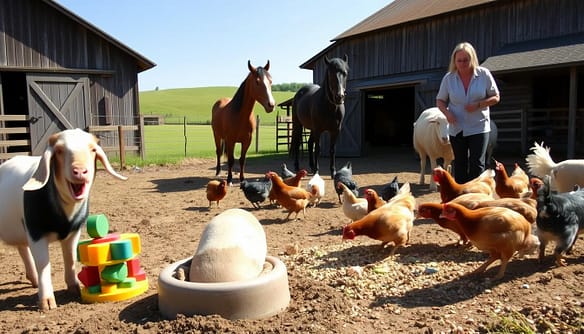
Hoof and beak care? Think medical drama meets luxury spa. Regular pedicures prevent serious health issues. Our protocols are more thorough than your annual physical.
Why do humans prioritize aesthetics over actual care? Our residents receive healthcare that’s both scientifically rigorous and compassionately delivered. Now that’s real farm-to-table excellence.
Rehab & Lifelong Housing
While our human retirement plans seem to be circling the drain, there’s a place where golden years actually sparkle. I’m talking about specialized facilities that have cracked the code on compassionate end-of-life care.
These operations make our best human facilities look like budget motels. They’ve perfected trauma recovery with remarkable success rates that put human psychology programs to shame.
It’s almost embarrassing how these residents get the retirement package we’re all dreaming of. Gourmet meals, personalized healthcare, and acres of space – all without the soul-crushing premium hikes.
Maybe we should be taking notes from these unexpected experts in post-traumatic growth. Their model proves that proper rehabilitation isn’t just possible – it’s profoundly transformative.
Trauma-informed handling
Let’s dive into animal psychology with the precision of a therapist. Farm animal rescue is more than just shelter. It’s about understanding the complex trauma these creatures carry. These wounds are as deep as any human therapist has seen.
At Safe in Austin, we treat animal care like human PTSD treatment. But our patients have four legs, feathers, or hooves. And they often recover faster than humans do.
Trauma-informed handling means recognizing each animal’s story of fear. Some flinch at shadows. Others show aggression due to starvation. We read these signs like a therapist reads body language.
Our method combines veterinary science with human psychology. It’s a framework that surpasses any corporate training. Here’s how we apply human therapy to animal care:
| Human Therapy Technique | Animal Application | Outcome Measurement |
|---|---|---|
| Cognitive Behavioral Therapy | Positive reinforcement training | Reduced fear responses |
| Exposure Therapy | Gradual habitat exploration | Increased confidence |
| Trust Building Exercises | Consistent caregiver presence | Seeking human interaction |
| Trauma Narrative Work | Predictable daily routines | Decreased anxiety behaviors |
The results are amazing. Animals that once hid now seek out caregivers. Creatures with aggression issues now share space peacefully. We’re seeing recovery rates that impress even human mental health professionals.
Our humane education program teaches volunteers to read animal body language. A pig’s ear flick can mean anxiety. A chicken’s head tilt might show curiosity, not fear. We’re learning animal body language as a second language.
The irony is clear: we understand animal trauma better than human emotional damage. Maybe because animals don’t overthink their healing. Or perhaps because their trust is absolute once earned.
Trauma-informed care is both philosophy and practical science. It’s about giving space to a sow who lost her piglets before affection. It’s about helping a rooster find his voice without violence.
This approach turns rescue work into real rehabilitation. We’re not just saving animals; we’re helping them rewrite their stories. Watching a traumatized animal trust again? That’s better than most humans get from their therapists.
Education & Advocacy
Let’s be real – most vegan outreach feels like shouting into the void. But what if we treated compassion like a political campaign?
Alpine Acres’ virtual presentations have changed from simple tours to powerful digital activism. They use a method that’s as effective as TED Talks and Silicon Valley’s precision targeting.
Jennifer Stojkovic has a genius plan. Her Vegan Women Summit is more than a conference. It’s a movement builder, blending feminist organizing with tech policy.
This isn’t about preaching. It’s about smart humane education that actually makes a difference. Changing hearts needs more than passion – it needs strategy.
Tours, school programs, plant-based events
Changing how people see animals is more than just cute pictures. It’s like a museum curator planning a big exhibit.
Our tours are like living documentaries. Each stop has a story that’s more exciting than any TV show. Visitors see animals being helped right before their eyes.
School programs mix fun with learning. Seeing pigs play video games is more exciting than any book. It shows how smart animals can be.
We use humane education in a way that’s both serious and fun. We aim to teach, not shock. It’s all about learning through experience.
Our plant-based events are like a food festival that talks about ethics. Imagine eating vegan tacos while discussing farming changes.
Alpine Acres Sanctuary Farm™ changed vegan outreach with virtual tours. It’s like a mix of Zoom and Planet Earth. It’s both fun and educational.
Their virtual tours show that you can connect deeply without being in the same place. It’s like being there without the dirt.
They’ve found a way to teach big groups without losing the personal touch. It’s learning that feels good, not like homework.
Our school programs believe that fun is key to learning. We make learning fun, which is hard to do.
Our events are like a mix of community and university lectures. But with better food and animals.
The best part of vegan outreach is meeting people where they are. Alpine Acres shows how to do this with their digital platform.
Seeing animals do smart things is more powerful than any pamphlet. Experience beats explanation every time.
Changing minds starts with changing experiences. Then, changing minds comes naturally.
Three Resident Stories
Forget reality TV. These stories have more drama than your favorite shows.
We’re looking into three resident journeys that feel like they’re straight out of a book. Each tale dives into trauma recovery, social interactions, and personal growth. It’s like getting a detailed psychological profile.
This is like a mix of animal rescue and storytelling. Their backstories are more exciting than many human influencers’ tales.
Get ready for redemption stories that would impress any novelist. These are journeys that deserve deep character analysis.
This part shows why we need to support each other. Sometimes, the best way to sponsor an animal is by backing their unique comeback story.
Be prepared for some emotional moments. These residents earned their happy endings through incredible resilience.
Sustainability
Let’s talk about sustainability that actually works – not the corporate kind that comes with a fancy PR team and empty promises. While companies are busy greenwashing their latest products, some places are quietly revolutionizing environmental practices.
We’re diving into waste management systems that put municipal programs to shame. Water conservation techniques here would make drought-stricken states jealous. The energy solutions? They’re more innovative than your smart home setup.
This isn’t just about being eco-friendly. It’s about creating systems that actually work long-term. Unlike climate policy debates that go nowhere, these practices deliver real results. Sometimes it feels like we’re better at managing environmental challenges than human political waste.
Prepare for some eye-opening comparisons and maybe a little sarcastic commentary along the way. Because when it comes to true conservation, actions will always speak louder than marketing brochures.
Composting, water use, predator-safe practices
Composting at a farm sanctuary is like alchemy, turning waste into gold. We manage manure like a circular economy, impressing sustainability experts. Our composting system is advanced, even compared to corporate recycling.
Think of it as nature’s five-star restaurant. Animals provide the ingredients, and our compost creates a Michelin-star meal for our gardens. We monitor temperatures and follow strict turning schedules.
Water conservation is key with hundreds of thirsty animals. We’ve set up systems that would impress California drought planners. Every drop is used for drinking, cleaning, and irrigation.
Our rainwater harvesting is impressive. Greywater systems are complex, like most plumbing networks. We track water usage with scientist precision.
Now, let’s talk about predator dynamics. It’s not just a wildlife documentary; it’s our daily life. We’ve developed safety strategies that respect nature.
Our approach combines old farming wisdom with new tech. We use motion sensors and natural deterrents. Secure fencing and habitat management keep animals safe.
| Composting Method | Turnaround Time | Best For | Temperature Range |
|---|---|---|---|
| Hot Composting | 4-8 weeks | Manure management | 130-160°F |
| Vermicomposting | 3-6 months | Food scraps | 55-77°F |
| Cold Composting | 6-12 months | Yard waste | Ambient |
| Bokashi | 2-4 weeks | All organic waste | Room temperature |
Each composting method has its purpose. Hot composting handles manure, while vermicomposting turns kitchen scraps into plant food.
Water conservation is more than just collecting rain. We’ve installed low-flow systems and use drought-resistant landscaping. Our cleaning protocols also save water.
Predator management is like understanding animal behavior better than a psychologist. We study patterns and create boundaries that respect wildlife while protecting our residents. It’s a constant process of adaptation and observation.
The result is a sanctuary with minimal environmental impact. Our composting enriches soil, water systems sustain life, and predator strategies ensure peace. This isn’t just sustainability; it’s sanctuary intelligence solving environmental challenges.
This isn’t just sustainability; it’s sanctuary intelligence applied to environmental challenges. We’re proving that animal rescue can lead in ecological innovation. Who knew waste management could be so revolutionary?
How to Support
Most articles stop when things get interesting. They analyze problems but leave you hanging at the solution. Not today.
We’re moving from just being curious to making a real difference. It’s like switching from binge-watching to creating content that matters.
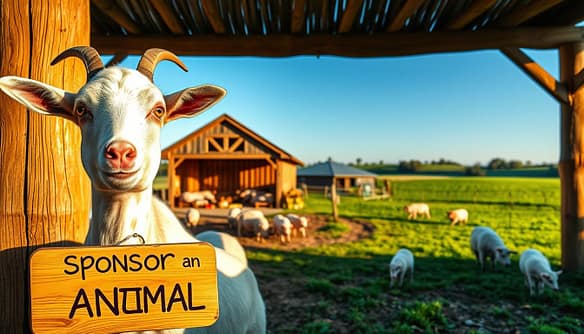
Your monthly coffee budget could fund a life-changing sponsorship at Alpine Acres. That’s right – your latte habit could save lives through their sponsor an animal program.
But there’s more than just money. Effective vegan outreach comes from volunteering, advocacy, and building a community. Alpine Acres offers all three.
Their contact info is more than just numbers. It’s a gateway to meaningful engagement. They’ve created paths for every type of supporter, from giving to getting involved.
Ready to trade passive scrolling for active change? Let’s explore how you can actually make a difference.
Sponsorships, volunteer weekends
Ever thought about what your monthly latte budget could do? It’s time to explore impact investing. Here, your money goes to help animals, not just your caffeine habit.
Our sponsorship program lets you sponsor an animal with the care of a financial advisor. For less than many luxury skincare routines, you help with:
- Specialized veterinary care
- Organic feed and supplements
- Enrichment activities (yes, pigs enjoy puzzle toys)
- Climate-controlled housing upgrades
At $99 a year, you’re making a big difference. It’s like buying a ticket to a life-changing story. Compare it to a dinner for two or saving a life – the choice is clear.
Volunteer weekends are more than just helping out. They’re like a wellness retreat with a purpose. You’ll make real connections and help animals in need.
Our weekends offer something special. You’ll learn animal care skills and more. You’ll leave feeling fulfilled and changed.
- Practical animal care skills (ever trimmed a goat hoof?)
- Trauma-informed handling techniques
- Farm sanctuary operation knowledge
- That particular satisfaction that comes from actual accomplishment
Other retreats cost thousands for experiences. We offer the real deal for less. You’re not just paying for fun – you’re changing lives.
Want to make a difference? Contact Alpine Acres Sanctuary Farm™ at sponsorships@alpineacres.org or visit alpineacres.org/volunteer. Changing the world is easier than you think – just use your luxury budget wisely.
Your Next Step in Compassionate Action
You’ve seen the barns and met the animals. You’ve learned about their lives. Now, it’s time to act.
Every choice you make matters. Every action you take counts. Support sanctuaries like Alpine Acres. Share what you’ve learned and live it.
Want to help? Contact Alpine Acres Sanctuary Farm™. Sponsor an animal or volunteer. Your support keeps their mission alive.
This is more than a conclusion. It’s an invitation to join the movement. Make a difference. The animals are waiting for you. What will you do next?