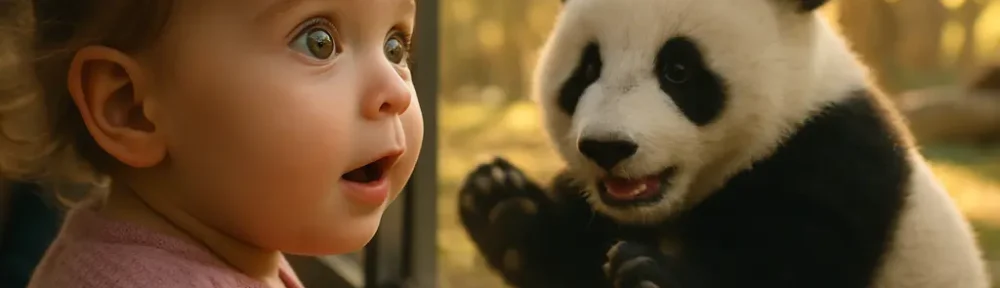
Zoo Atlanta Pandas Ping Ping and Fu Shuang have already arrived in Atlanta, so this is no longer an approaching transfer. As of October 10, 2026, the two giant pandas are in the careful post-arrival period before their public debut, now set for November 6, 2026, with the opening of the all-new Arthur M. Blank Panda Grove. For animal advocates, families, educators, and pet-loving neighbors, the moment is bigger than a first look at two beloved bears. It is a chance to talk about conservation with honesty, respect, and practical care.
That care matters. Giant pandas are wild animals, not pets, mascots, or photo props. Their presence at an accredited zoo setting can help people understand habitat protection, international cooperation, and the difference between admiring an animal and trying to possess one. That same lesson sits close to the heart of rescue work: love should lead to responsibility, not impulse.
Zoo Atlanta Pandas And Conservation Education
Zoo Atlanta began a new International Cooperative Research Agreement on Giant Panda Conservation with the China Wildlife Conservation Association, and the agreement includes male Ping Ping and female Fu Shuang Zoo Atlanta agreement. The pair were born at China’s Chengdu Research Base of Giant Panda Breeding in 2020, with Ping Ping born on March 17 and Fu Shuang born on October 18.
Their arrival follows Zoo Atlanta’s earlier giant panda program, which ran from 1999 to October 2024. During that earlier chapter, Lun Lun and Yang Yang lived at Zoo Atlanta, along with seven offspring born between 2006 and 2016. For many Georgia families, pandas became a gentle doorway into conservation science. A child who first asks why bamboo matters may later ask why habitat corridors, protected reserves, and research partnerships matter too.
Why Zoo Atlanta Pandas Matter Beyond The Exhibit
The point of responsible conservation education is not to make rare animals feel familiar in a casual way. It is to help the public understand that wild species depend on specific habitats, trained care teams, long-term research, and global cooperation. The giant panda is classified as Vulnerable by the IUCN, with nearly 1,900 individuals remaining in the wild and 72% strictly protected within nature reserves, according to Zoo Atlanta’s conservation information in its announcement panda conservation details.
Numbers can feel distant, but education gives them shape. A classroom lesson, a zoo educator’s talk, or a family conversation at the habitat can connect the life of one animal with the broader needs of a species. That is where awareness becomes useful: not as a passing fascination, but as a better understanding of what wild animals need to survive.
What Has Happened Since The September Arrival
Ping Ping and Fu Shuang arrived in Atlanta on September 27, 2026, on a FedEx “Panda Express” Boeing 777 flight, and the Los Angeles Times reported that Zoo Atlanta became one of only three U.S. zoos housing giant pandas under loan agreements, along with the San Diego Zoo and the Smithsonian National Zoo arrival report. The same report identified Zoo Atlanta as the only zoo in the Southeast with giant pandas.
After arrival, the pandas entered a routine quarantine period of around one month in a biosecure area and are not yet visible to the public. This may test public patience, especially after so much anticipation, but it reflects the careful pacing that animal transfers require. A quiet transition period helps care teams observe the animals, follow required protocols, and prepare for the next public-facing stage without turning the animals’ adjustment into a spectacle.
What Visitors Should Understand Before November 6
The public debut is set for November 6, 2026, when Arthur M. Blank Panda Grove opens. Until then, the kindest community response is patience. Animal arrivals are not like opening a wrapped gift; they are living transitions involving individual animals with their own routines, needs, and responses to change.
Families planning a later visit can use the waiting period well. Talk with children about why quarantine exists, why wild animals should have choice and space, and why conservation is not only about seeing an animal in person. If a first visit includes crowds or limited viewing time, that is not a failed experience. It can still be a lesson in respect: the animals’ welfare comes before visitor expectations.
How Panda Awareness Connects To Responsible Pet Ownership
It may seem unusual to connect giant pandas with adoption and fostering, but the connection is real for anyone who cares about animals. The same mindset that respects a wild animal’s needs can help people make better decisions about domestic animals. Admiration is not ownership. Interest is not readiness. Love has to include time, resources, and a willingness to learn.
Before adopting or fostering a dog, cat, rabbit, or other companion animal, families should ask thoughtful questions: Can we meet this animal’s daily needs? Are we prepared for training, enrichment, safe housing, and veterinary care from a licensed veterinarian? Are we choosing adoption because we are ready, not because a child saw a cute animal and fell in love for one afternoon?
Conservation education can support that kind of reflection. When people learn that pandas need highly specific care, habitat, diet, and management, it becomes easier to understand that every animal has species-specific and individual needs. That includes the senior cat at a rescue, the shy dog in foster care, and the small pet whose housing needs are often underestimated.
Community Lessons For Foster And Rescue Advocates
Rescue volunteers often spend their days reminding people that animals are not accessories. Panda education can reinforce that message in a positive way. A public conversation about wild species can become a softer opening to talk about adoption commitments, breed traits, enrichment, and the patience animals need after major transitions.
- Use curiosity kindly: If someone is excited about pandas, invite them to think about habitat, care, and long-term responsibility.
- Connect wonder with action: Encourage families to support local shelters, foster programs, and humane education alongside conservation learning.
- Respect boundaries: Whether the animal is a panda in quarantine or a rescue dog decompressing in foster care, space can be part of good care.
- Avoid impulse choices: Seeing a beloved animal should inspire learning, not rushed pet purchases or unrealistic expectations.
This is the heart of community advocacy: helping people care more deeply without asking animals to pay the price for human excitement.
Preparing For A Respectful Panda Grove Visit
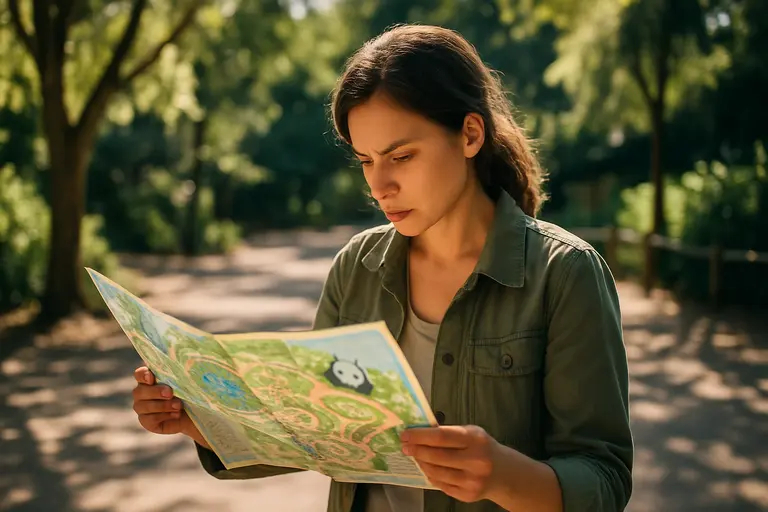
For those who plan to visit after November 6, a respectful approach will make the experience better for people and animals. The best zoo visits are not only about getting close. They are about observing patiently, listening to educators, and accepting that animals may rest, move away, or spend time out of easy view.
Visitors can prepare by reading about giant panda conservation before arriving, discussing expectations with children, and treating the habitat as an educational space rather than a stage. If the pandas are not active during a visit, that is still normal animal behavior. Resting, eating, and choosing privacy are all part of their day.
- Plan conversations around conservation, not just cuteness.
- Give children simple language: “We are guests watching wild animals receive professional care.”
- Support conservation education programs when possible.
- Let the visit inspire responsible choices for domestic animals, including adoption and fostering when a family is truly ready.
Zoo Atlanta Pandas Ping Ping and Fu Shuang offer Atlanta a meaningful educational moment. If the community receives them with patience, curiosity, and humility, their arrival can do more than draw attention. It can help people see all animals, wild and domestic, with greater responsibility.
What Zoo Atlanta Pandas Mean For Animal Advocacy
The arrival of Ping Ping and Fu Shuang is joyful, but it should also be grounding. Conservation is not built on excitement alone. It depends on research, collaboration, habitat protection, public education, and a culture that sees animals as beings with needs beyond human entertainment.
For advocates, this is a chance to widen the circle of care. Celebrate the pandas, support credible conservation education, and bring the same thoughtful energy home to local shelters and foster networks. The lesson is beautifully simple: caring for animals well means asking what they need first.