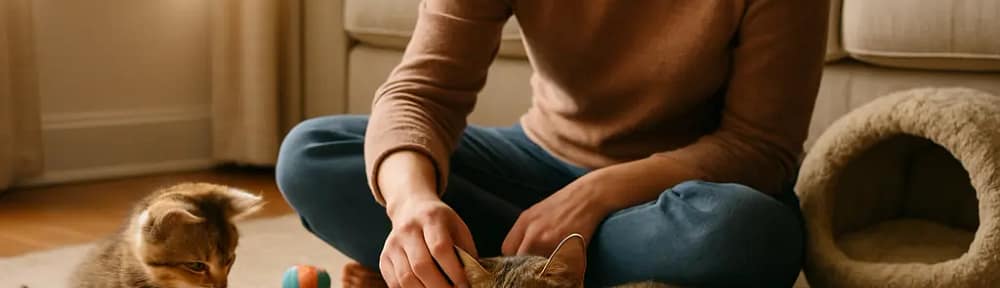
As of October 9, 2026, the Year of the Cat has become a warm shorthand for something many pet families, rescuers, and shelter volunteers have felt for a while: cats are having a larger place in American homes and hearts. This is not just a cute phrase for social media. It reflects reported growth in cat-owning households, younger adults embracing cats, and more families thinking carefully about whether one cat, two cats, or a rescue match fits their real life.
I write about this with affection, but also with care. A cat is not a trend piece, a decor choice, or a low-effort companion. A cat is a living being with daily needs, individual preferences, and a long-term claim on our time, budget, patience, and love. If 2026 has taught our community anything, it is that rising interest in cats must be paired with responsible ownership and adoption-minded choices.
What The Year of the Cat Really Signals
A Phrase Backed By Ownership Data
By December 2025, 58.6% of U.S. adults lived in cat-owning households, a rate reported as nearly 8 percentage points higher than in 2018 Morning Consult report. That figure gives real weight to the conversation. It suggests that cat companionship has moved from a niche preference into a major part of everyday family life across the country.
Another industry report counted cat ownership in 53 million U.S. households in 2025, representing 39% of all U.S. households and a 5% increase from 2024 PetfoodIndustry report. These two reports measure the trend in different ways, so the numbers should not be treated as identical. One looks at adults living in cat-owning households; the other reports household ownership. Read together, they point in the same direction: cats gained ground before and during 2026.
Why This Trend Feels Personal
For rescue-minded families, the Year of the Cat is not just a market signal. It is a prompt to ask better questions. Can we afford routine care, food, litter, enrichment, and emergency savings? Is our home calm enough for a shy adult cat, or active enough for a confident young cat who wants play? Are we prepared for scratching, shedding, litter box care, and a personality that may take time to bloom?
Those questions may sound practical, because they are. Love gets a cat through the front door. Planning keeps that cat safe, understood, and wanted through the ordinary days that follow.
Who Is Bringing Cats Home
Younger Adults Are Part Of The Shift
The same 2025 reporting found that Gen Z represented about 22% of cat owners, up from about 20% year over year, and that men made up 43% of cat owners PetfoodIndustry report. I see a hopeful story there. Cat ownership is not being carried by one age group, one household type, or one narrow cultural image of who a cat person is.
For younger adopters, cats may fit apartment living, hybrid work routines, or households where a dog is not the right match. Still, cats are not maintenance-free. A young owner who works long shifts, moves often, or shares housing should think ahead about lease rules, pet deposits, roommate allergies, and the plan for care during travel. A stable plan is one of the kindest gifts a person can give a pet.
Multi-Cat Homes Need Honest Preparation
The rise in multi-cat households is another part of the story. Homes with two cats rose about 7% year over year, while homes with three or more cats were up about 7% annually and about 45% since 2018 PetfoodIndustry report. For some cats, a compatible feline friend can be a joy. For others, shared space is stressful. The loving answer is not always yes to another cat.
Before adding a second or third cat, families can ask whether they have enough space, litter boxes, feeding areas, quiet retreat spots, and time for slow introductions. If a cat has health or behavior concerns, a licensed veterinarian or qualified behavior professional should be consulted. Rescue staff can often share what they have observed about a cat’s comfort around other cats, but every home is different.
Adoption-Minded Planning For Cat Households
Year of the Cat Adoption Choices
The Year of the Cat also asks us to keep adoption and rescue close to the center of the conversation. A family can admire rising cat ownership and still pause before adopting. That pause is not hesitation in a negative sense. It is stewardship.
Adoption-minded planning means matching a real cat to a real home, not chasing an imagined perfect pet. Kittens can be delightful, but they bring energy, supervision needs, and training moments. Adult cats may already show clearer preferences about handling, noise, other pets, and play style. Senior cats can offer deep companionship, though adopters should be ready to discuss age-related care with a veterinarian.
For readers weighing timing, costs, and rescue choices, our community has also been talking through cat ownership in 2026 with the same care-first lens.
A Simple Readiness Check
Before bringing a cat home, I like to see families talk through the less glamorous details. This is where good intentions become daily care.
- Budget: Food, litter, preventive care, pet deposits, toys, carriers, and emergency funds should be part of the plan.
- Time: Cats need play, grooming support when needed, litter box care, and steady human attention.
- Space: A cat should have safe resting places, scratching options, and room to retreat from noise or guests.
- Commitment: Adoption should be planned for years, not for a short burst of interest.
- Support: Families should know which veterinarian, sitter, or trusted helper they can call when plans change.
This kind of preparation may not photograph well, but it is the quiet work that protects cats from becoming mismatched, misunderstood, or returned.
Responsible Care In The Year of the Cat
Care Is More Than Affection
Responsible cat care begins with respect for the animal in front of us. Some cats want lap time; others prefer sitting nearby. Some enjoy guests; others need a quiet room when the house gets loud. A cat’s personality is not a flaw to fix. It is information to honor.
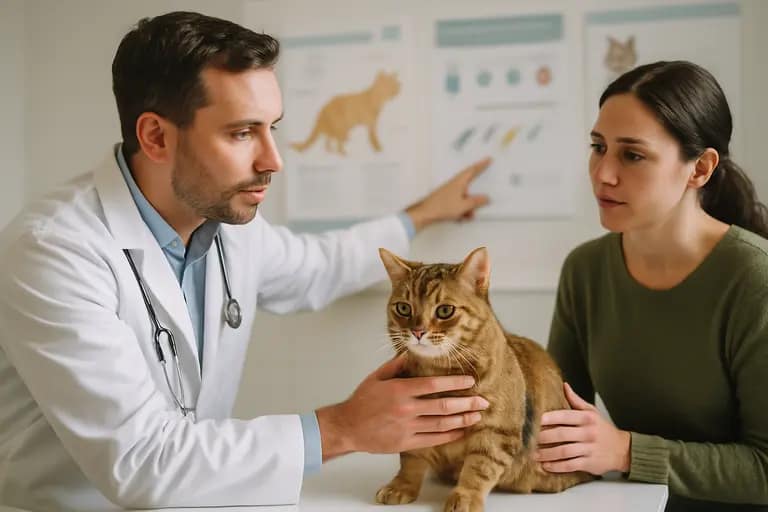
Good homes offer predictable feeding routines, clean litter areas, scratching surfaces, play that allows a cat to stalk and pounce safely, and calm handling. If a cat suddenly changes eating habits, litter box habits, mobility, or social behavior, families should speak with a licensed veterinarian rather than guessing or relying on online advice.
Community Support Makes Better Outcomes Possible
One reason I care so much about community conversations is that pet ownership is rarely a solo act. Neighbors swap sitter recommendations. Rescue volunteers explain shy-cat decompression. Foster families share what worked in a real living room, not an idealized brochure. Local shelters and rescue groups benefit when adopters arrive prepared, patient, and open to guidance.
The Year of the Cat can be a generous moment if we use it well. That means celebrating cats without romanticizing the work. It means sharing adoption posts responsibly, not pressuring a friend into taking a pet they cannot keep. It means donating supplies when possible, fostering only if your home is ready, and speaking kindly to shelter teams doing hard work under public pressure.
Year of the Cat in Pet Ownership for 2026
What This Means For Families And Rescues
If Year of the Cat becomes the phrase people remember from 2026, I hope it stands for more than popularity. I hope it stands for better matching, better preparation, and more respect for cats as individual companions. The data points to growth, but our choices decide whether that growth is humane.
For families, the best next step is honest self-assessment. For rescues, the opportunity is to keep educating adopters with compassion, not shame. For all of us, the invitation is simple: celebrate cats, support adoption, and make room for the practical care that turns a hopeful adoption day into a steady, loving home.