
Adult Dog Adoption backlogs are not an abstract shelter problem; they are a community problem with a community answer. Behind every kennel card is a dog who needs time, patience, and a person willing to see more than a first impression. As rescuers, fosters, volunteers, and neighbors, we can help shelters create breathing room while giving adult dogs a fairer chance to be known.
Why Adult Dog Adoption Backlogs Need Fosters
Shelters and rescues in the United States recorded about 1.1 million dog adoptions in the first half of 2026, yet that was still about 72,000 fewer dog adoptions than during the same period in 2016, according to the 2026 mid-year shelter data. That gap matters because fewer adoptions over time can leave more dogs waiting, especially those who are already past puppyhood.
The same mid-year data reported that adult dogs made up about 66% of dogs still in care, totaling roughly 236,000 adult dogs awaiting outcomes. That is a lot of steady eyes, wagging tails, worried pacing, and patient hope. It also tells us something practical: if communities want to support shelters, adult dogs deserve focused attention.
Adult Dog Adoption Starts With A Home View
A kennel can show only a small slice of a dog. Some adult dogs appear shut down in a noisy shelter. Others seem too excited because every sound and scent arrives at once. A foster home can offer a calmer setting where staff and adopters may learn how the dog rests, greets visitors, walks past distractions, enjoys enrichment, or settles into routine.
That home view can support better matches. It is not about creating a perfect story. It is about gathering honest, kind, useful information: Does the dog prefer quiet mornings? Does the dog enjoy gentle handling? Does the dog need a fenced yard, a slower introduction to other pets, or an adopter who appreciates a couch companion? Responsible Adult Dog Adoption depends on clarity, not pressure.
A Foster Home Can Reveal Daily Needs
Adult dogs often arrive with habits already formed, but that does not make them less adoptable. It simply means the match should respect who they are. A foster caregiver can notice patterns over days or weeks that a brief shelter visit may miss. That may include comfort with car rides, comfort with stairs, house manners, play style, or sensitivity to loud environments.
Fosters should never be expected to diagnose health or behavior concerns. If a dog seems painful, ill, fearful, or unsafe, the next step belongs with shelter staff, a qualified behavior professional, or a licensed veterinarian. The foster’s gift is observation, patience, and safe care.
What Community Support Can Do
Community support does not always look dramatic. Sometimes it is a spare room, a quiet weekend, a ride to an adoption event, a donated crate, or a volunteer who spends ten extra minutes helping a visitor meet the right dog. These small commitments add up, especially during periods when shelters have more dogs entering care than leaving.
Foster Care Is Not One Size
Many people hesitate because they picture fostering as an open-ended promise. In reality, shelters may need different kinds of help. Some foster opportunities are short-term breaks. Some support dogs recovering from stress. Some are trial-style placements for potential adopters. Some allow a foster caregiver to speak directly with interested families about what the dog is like at home.
Fairfax County Animal Services reported programs aimed at long-stay and harder-to-place dogs, including Adoption Auditions, a five-day home trial launched in 2024, and an Adoption Ambassador program begun in June 2025 to help connect visitors with possible adult dog matches Fairfax County Animal Services report. Programs like these show how shelters can invite the public into the matching process without asking every person to make the same commitment.
For neighbors who want to understand the heart behind this work, our story on foster volunteers behind shelter success shows how patient home care can support adoption conversations.
Volunteers Help Matches Happen
A volunteer may not take a dog home, but they can still change the path of Adult Dog Adoption. Volunteers can help with meet-and-greets, enrichment, clean bedding, dog photos, transport, adoption counseling support, event setup, and follow-up calls when a shelter allows it. Each task can reduce strain on staff and create a warmer experience for adopters.
Adult dogs benefit when people are honest and generous at the same time. A good volunteer does not oversell a dog. A good volunteer listens to the adopter, respects the shelter’s process, and helps the dog be seen accurately. That kind of care protects both sides of the adoption match.
Responsible Fostering Protects The Dog
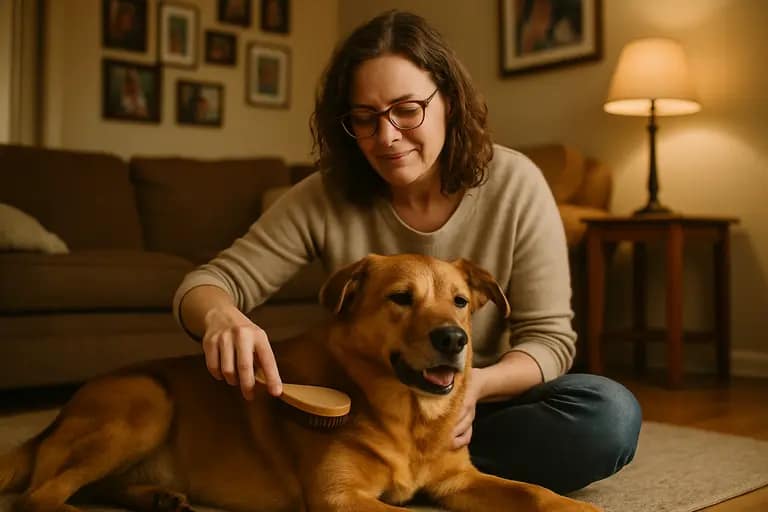
Fostering is an act of love, but love needs structure. Adult dogs in transition may be confused by new doors, new people, new smells, and new rules. A responsible foster home offers calm routines, secure leashes, safe separation from resident pets at first if the shelter recommends it, and steady communication with the organization.
Ask Clear Questions Before Saying Yes
Before accepting a foster placement, ask what the shelter already knows and what it still needs to learn. Helpful questions include:
- How long is the expected foster period?
- What supplies, food, and emergency contacts are provided?
- What is known about the dog’s comfort with people, dogs, cats, children, stairs, and car rides?
- Who approves adopter meetings or public outings?
- What should the foster do if a health or behavior concern appears?
Clear answers help the foster avoid guessing. They also help the shelter collect better information for potential adopters. That is one reason fostering can support Adult Dog Adoption so powerfully: it turns care into practical knowledge.
Keep Health Decisions With Professionals
Adult dogs may arrive with unknown medical histories, stress-related changes, or behavior that needs careful interpretation. Foster caregivers should not try to treat, medicate, or train through serious concerns on their own. If something feels off, contact the shelter or rescue promptly and follow its instructions. For health questions, a licensed veterinarian should guide next steps.
This boundary is not cold; it is protective. Foster homes give comfort and observation. Professionals provide diagnosis, treatment plans, and safety guidance. Working together keeps the dog’s needs at the center.
Fostering Opportunities For Adult Dog Adoption
The most hopeful part of this issue is that many people can help without doing everything. A retiree might foster one calm senior dog. A college student might volunteer at weekend adoption hours. A family might offer a five-day trial if their local shelter has that kind of program. A photographer might help adult dogs look relaxed and real rather than lost behind kennel bars.
Start Small, Stay Connected
If fostering feels intimidating, start by asking a local shelter what its highest-need options are. Some organizations need short breaks for long-stay dogs. Some need overnight fosters after events. Some need people willing to foster larger adult dogs, bonded dogs, or dogs who need quieter homes. The right fit should protect the foster household as well as the dog.
Community support for Adult Dog Adoption is not built on guilt. It is built on neighbors choosing one useful action and doing it with care. Adult dogs do not need us to be perfect rescuers. They need us to be steady, truthful, and willing to make room: in a home, in a schedule, or in a conversation with someone ready to adopt.