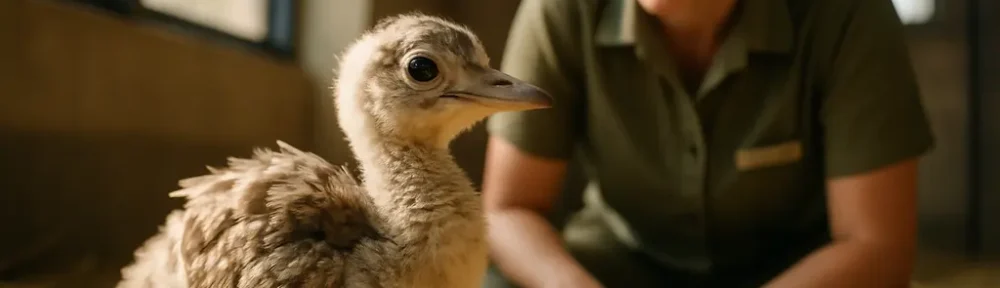
The kori bustard chick hatched at Franklin Park Zoo on August 1, 2026, marked the zoo’s first successful hatch of this species since 2003, a milestone reported by Hoodline. For families who care about shelter pets, rescue work, and wildlife protection, that single hatch is more than a sweet zoo update. It is a reminder that animal care depends on patient people, responsible planning, and communities willing to support living creatures before there is a happy headline.
Franklin Park Zoo’s news sits naturally beside the values many adopters already know: animals do best when people prepare, ask good questions, and respect the needs of the species in front of them. A shelter cat, a senior dog, and a rare ground-nesting bird are not the same animal, of course. Yet all responsible care begins with the same posture: humility. We do not ask animals to fit our schedules and assumptions. We learn what they need, then build a plan around that.
Why The Kori Bustard Chick Matters For Conservation
A Kori Bustard Chick With A Care Plan
The kori bustard chick did not arrive by chance. The hatch came from a recommended breeding pairing among Franklin Park Zoo’s trio: a male named Onyx and two females, M’guu and Kibibi, according to the same report from Hoodline. That detail matters because conservation breeding is not casual matchmaking. It is planned animal care, shaped by what is known about the species, the individuals involved, and the long-term needs of the managed population.
At hatching, the chick weighed just 83 grams. By early September 2026, the chick had grown to more than 300 grams, with steady weight gain and reported good health. Those numbers are small enough to fit in the palm of a person’s imagination, but they represent a large daily commitment from the care team. A young bird that tiny is not simply watched from a distance. It requires feeding, observation, and developmental checks across the day.
Why Near Threatened Status Raises The Stakes
Kori bustards are classified as Near Threatened in the wild. Reported threats include habitat loss, agricultural expansion, collisions with high-voltage power lines, and poaching for feathers. Those pressures make each conservation success feel personal, especially for people who already understand how human choices affect animals. The same moral thread runs through adoption and rescue: what people do with land, homes, time, money, and attention changes the future for animals who cannot vote on the matter.
Adult kori bustards also give families a sense of scale. Males can weigh between 30 and 42 pounds and stand up to 4.5 feet tall, while females are much smaller, at roughly 2.25 feet tall and around 15 pounds. Wild females typically lay one to two eggs in a simple ground scrape, and incubation by the female alone usually lasts 23 to 24 days. These facts are not trivia to rush past. They help visitors see the bird as a species with specific biology, not as a photo opportunity.
Care, Growth, And The Human Responsibility Behind The Hatch
Hand-Raising Is A Daily Commitment
Because the chick is being hand-raised by Franklin Park Zoo’s care team rather than by its parents, keepers maintain a hands-on schedule of feeding, monitoring, and developmental checks throughout the day. That is careful work, and it asks the public to appreciate the less visible side of animal care. The headline is the hatch. The real story is the repeated, quiet labor after the hatch.
Zoo New England’s Area Curator Bill Robles also described an exercise schedule designed to mimic how wild chicks follow their parents. The purpose, as reported, is to support leg muscle development and skeletal strength. This is a useful lesson for pet guardians, too, without pretending a zoo bird and a companion animal need the same routine. Responsible care is species-specific. A new puppy, an adopted rabbit, a senior cat, and a hand-raised bird all deserve plans built around their bodies, temperaments, and limits. For medical or behavior concerns involving a pet at home, families should speak with a licensed veterinarian or qualified professional rather than copying what they see in a zoo setting.
What Families Can Learn Without Turning Wildlife Into Pets
One of the best gifts a zoo hatch can offer children is the difference between appreciation and possession. Not every animal we admire should live in our homes. That idea belongs at the heart of responsible pet ownership. Many families meet animals through zoos, nature centers, shelters, and community events, then feel the pull to bring an animal into family life. The responsible next step is not impulse. It is learning, budgeting, and deciding whether adoption from a shelter or rescue is the right fit for the household.
In that sense, conservation stories can strengthen adoption ethics. A family that learns to ask, “What does this animal need to thrive?rdquo; is better prepared to ask the same question before adopting a dog, cat, guinea pig, or bird. The answer may be time, space, training, veterinary care, social support, or a decision to wait. Waiting can be an act of kindness when a household is not ready.
How The Kori Bustard Chick Connects To Community Stewardship
Feathers, Demand, And Better Choices
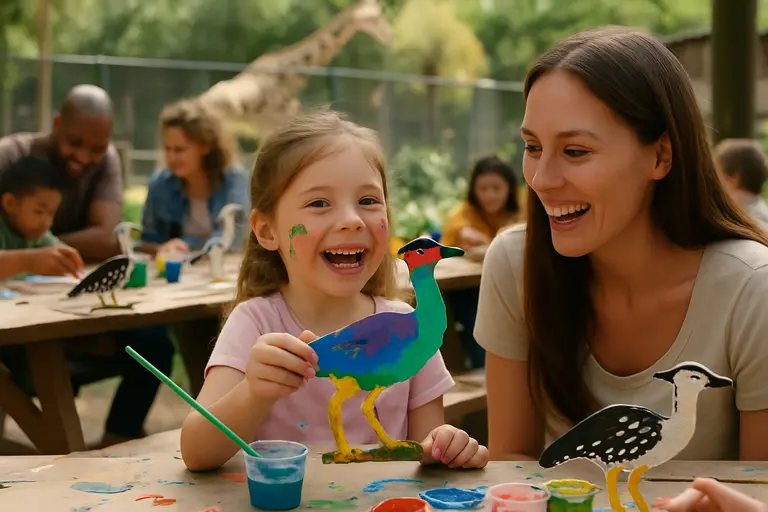
For animal lovers, the kori bustard chick also points toward a practical conservation idea already tied to Franklin Park Zoo: the Kori Bustard Molted Feather Project. The project collects naturally shed feathers from the zoo’s captive flock for use in fly-fishing lure crafting, reducing demand for feathers taken from wild birds. That is a small, concrete example of stewardship. It does not ask people to care in vague language. It shows how a human hobby can be adjusted to reduce pressure on wild animals.
This is where community-driven animal welfare becomes powerful. Most people will never hand-raise a rare bird. Many will never work behind the scenes at a zoo. But almost everyone makes choices that touch animals indirectly. People choose whether to adopt or buy, whether to research a pet’s needs before bringing one home, whether to support local shelters, whether to respect wildlife at a distance, and whether to teach children that compassion includes restraint.
- For families: use zoo visits as a starting point for conversations about habitat, responsible pet adoption, and the difference between wild animals and companion animals.
- For adopters: bring the same patience to shelter pets that conservation teams bring to species care: learn the individual, ask for support, and avoid rushed expectations.
- For community members: support reputable animal organizations, respect wildlife, and choose animal-related products and activities with care.
Species Survival Planning And The Next Step
When the chick is old enough, it will move to another AZA-accredited institution as part of the Species Survival Plan for the kori bustard, according to the Mission Hill Gazette. That future move may sound bittersweet to visitors who become attached to the story, but it reflects a wider responsibility. Conservation care is not centered on one exhibit or one city. It is planned across institutions for the good of the species.
Shelter and rescue communities understand that feeling well. Sometimes the best outcome for an animal is not staying where people first met them. A foster dog may leave for an adoptive home. A rescued cat may move to a quieter household. A wildlife conservation bird may transfer to another accredited setting. In each case, the goal is not human convenience. The goal is the animal’s long-term welfare within the best available plan.
What The Kori Bustard Chick Teaches Boston Animal Lovers
The kori bustard chick at Franklin Park Zoo gives Boston-area animal lovers a hopeful story with real responsibility underneath it. The chick’s growth from 83 grams at hatching to more than 300 grams by early September 2026 is charming, but the deeper meaning is the care behind that growth: planned breeding, daily monitoring, exercise, and a conservation path beyond one zoo.
For readers who spend time supporting shelters, fostering pets, volunteering, or considering adoption, this hatch can widen the circle of compassion. Rescue work and wildlife conservation are not identical, yet both ask people to think beyond the moment of excitement. The question is not simply, “Isn’t this animal wonderful?rdquo; The better question is, “What responsibility follows from caring?rdquo;
That question is where good guardianship begins. It helps a family choose adoption only when they are ready. It helps a pet owner call a veterinarian when something seems wrong instead of guessing. It helps a child understand why wild animals deserve protection rather than ownership. And it helps a community celebrate a rare hatch not as entertainment alone, but as a shared reminder that animals flourish when people take their duties seriously.