
Pet Adoption Events can look simple from the outside: families arrive, meet animals, fill out forms, and head home with a new companion. Anyone who has stood behind a check-in table, held a leash in a noisy hallway, or answered the same thoughtful question ten times knows the truth. These days are built by people who care enough to show up early, stay late, and keep the animals at the center of every decision.
As a rescuer, I have learned that adoption success is rarely about one dramatic moment. It is more often a chain of quiet tasks done well. A volunteer refills water bowls. A foster caregiver explains how a dog settles after a walk. A greeter helps a nervous visitor slow down and think clearly. A transport helper makes sure a pet arrives safely and calmly. None of that is glamorous, but it is the work that gives adoption a real chance to last.
The research available for this topic points to a clear pattern: when shelters, rescue groups, sponsors, fosters, and neighbors work together, more animals can be seen by the right people. The first California Adopt-a-Pet Day in 2024 helped 3,609 pets find homes, nearly doubling the original goal of 2,024 adoptions, according to the ASPCA’s report on California Adopt-a-Pet Day. That number is not just a statistic. It represents thousands of individual matches that needed staff support, volunteer time, and adopters willing to make a serious commitment.
Why Pet Adoption Events Need Community Care
How Pet Adoption Events Use Many Hands
Pet Adoption Events are public-facing, but the work begins before the first adopter walks through the door. Volunteers may help prepare kennels, organize paperwork, walk dogs, comfort cats, answer basic care questions, or guide people toward staff members who can explain adoption requirements. Foster caregivers may be the most practical storytellers in the room because they can share what a pet is like outside the shelter setting: how they rest, how they respond to routine, and what kind of home may help them feel secure.
That kind of lived knowledge matters, especially for adopters who are trying to make a responsible choice rather than an emotional snap decision. A shy cat may not shine in a carrier at a busy venue. A young dog may look wild after hours of stimulation but settle beautifully after a quiet break. A senior pet may need someone to see past age and ask about daily comfort, routine, and veterinary follow-up with a licensed veterinarian. Volunteers help slow the room down so people can see the animal, not just the event.
Small Jobs That Protect Big Outcomes
No single volunteer has to do everything. In fact, healthy events often work because duties are shared. One person may handle the welcome table. Another may keep pathways clear. Someone else may sit with a stressed animal in a quieter area. These small assignments reduce pressure on shelter staff and help adopters feel guided rather than rushed.
For Pet Adoption Events, the tone of the day matters as much as the turnout. A calm volunteer can help a family pause before adopting a high-energy dog that does not fit their schedule. A patient foster can explain that an animal may need time to decompress after leaving the shelter. A careful adoption counselor can remind people to plan for food, supplies, training, landlord rules, introductions with resident pets, and future veterinary care. Good community involvement does not push animals out the door. It helps them leave with people who are prepared.
Volunteer Roles That Help Adopters Choose Well
The Foster Caregiver As A Bridge
For Pet Adoption Events, foster caregivers bring a special kind of credibility. They are not guessing from a kennel card alone. They may know whether a pet enjoys quiet mornings, how they handle visitors, or whether they prefer a predictable routine. That information helps adoption teams ask better questions and gives adopters a more grounded picture of life after the event.
This is why foster support is so valuable in rescue work. It can make an animal more visible as an individual. It can also protect the adopter from unrealistic expectations. A foster who says, “She needs time to warm up,” or “He is still learning household manners,” is not discouraging adoption. They are giving the match a sturdier foundation. For readers who want to understand that work more deeply, our piece on breed-specific foster networks shows how organized foster knowledge can support better care.
The Front-Line Volunteer As A Neighbor
The first person an adopter meets may not be the shelter director or adoption manager. It may be a volunteer with a clipboard and a kind voice. That first interaction can shape the entire day. A welcoming volunteer can help visitors feel comfortable asking honest questions: Can I afford this pet’s care? Is my home ready? What if my current pet needs a slow introduction? What happens if I need support after adoption?
Those questions deserve respect. Adoption is an act of hope, but it is also a long-term responsibility. Volunteers help normalize thoughtful decision-making. They can point people toward staff for policies, medical records, behavior notes, and next steps. They can also remind visitors that leaving without adopting that day is not failure if the match is not right. Responsible adoption includes patience.
Responsible Adoption Starts Before The Crowd Arrives
Preparation Makes Compassion Practical
Large adoption campaigns show what community support can do. BISSELL Pet Foundation reported that its July 2025 Empty the Shelters event helped about 22,165 pets get adopted through 282 shelters nationwide, and described it as the largest funded adoption event in the country in its Empty the Shelters results. Numbers like that can inspire people to get involved, but they should also remind us how much planning sits behind every adoption day.
Preparation may include clear volunteer briefings, realistic animal profiles, safe handling plans, and space for animals to rest. It may include foster updates, adoption counseling, transport coordination, and follow-up resources. None of those details should be treated as extra. They are the supports that help an exciting day remain animal-centered.
Pet events can be joyful without becoming careless. Sponsored fees or busy public campaigns may bring more people through the doors, but adopters still need to understand the commitment. Food, enrichment, training, identification, safe housing, and veterinary care all belong in the conversation. If a pet has health concerns or behavior questions, adopters should be directed to shelter staff and, when needed, a licensed veterinarian or qualified behavior professional.
Community Energy Needs A Clear Purpose
Community enthusiasm is powerful, but it needs direction. Volunteers should know whom to ask before giving advice. Foster caregivers should be invited to share observations without being pressured to approve a match alone. Event organizers should give adopters enough room to think. The best adoption days are not frantic. They feel focused, kind, and honest.
Local stories can help new volunteers picture where they fit. A person who is not ready to foster might still help with setup, laundry, photography, animal care support, or adopter welcome duties. A family that cannot adopt may still share event information or donate supplies requested by the shelter. For a grounded example of event support, see our story on volunteering at a YWAC adoption event.
Building Trust After Adoption Day
Follow-Through Keeps The Promise
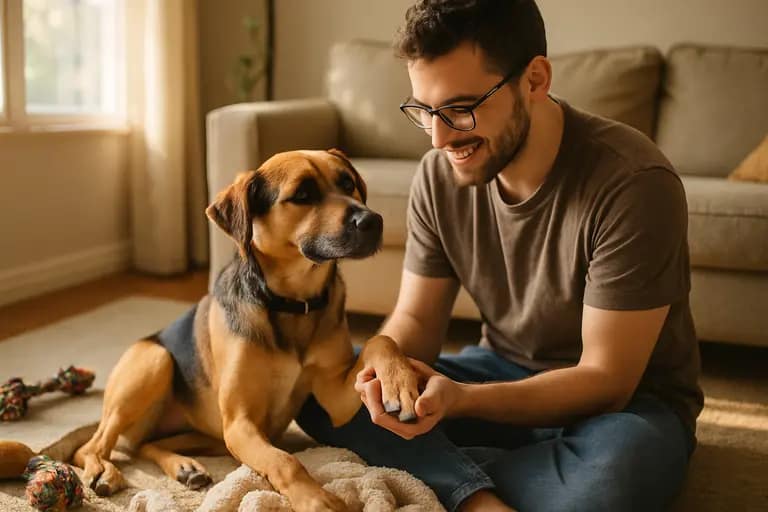
The adoption photo is not the finish line. It is the beginning of a new routine for both the pet and the adopter. Volunteers can support that transition by helping shelters prepare take-home notes, encouraging adopters to ask questions, and respecting the adjustment period animals often need after a major change. A calm first week may include quiet space, predictable meals, gentle introductions, and time for the pet to learn the household rhythm.
Follow-through also protects the trust built during the event. If adopters know where to turn with questions, they may be more likely to seek help early instead of waiting until frustration builds. That does not mean volunteers should provide medical or specialized behavior advice beyond their role. It means they can connect people back to the shelter, rescue, veterinarian, or approved trainer resources.
Every Helper Expands The Circle
Some volunteers are outgoing. Some are quiet. Some are skilled with animals, while others are better with logistics, phones, supplies, or data entry. Adoption work needs all of them. The person washing bowls is part of the same mission as the person introducing a dog to an adopter. The person sharing a shelter post is part of the same circle as the foster caregiver who opens a spare room.
That is the heart of community rescue: many people doing what they can, within their limits, for animals who need safe homes. It is not about savior stories. It is about shared responsibility.
Community Commitment At Pet Adoption Events
Pet Adoption Events work best when the community treats adoption as a careful promise, not a one-day celebration. Volunteers bring warmth, order, and practical support. Foster caregivers bring context. Shelter teams bring policy, records, and professional judgment. Adopters bring the willingness to learn and commit.
When those pieces come together, an event becomes more than a busy room full of hopeful faces. It becomes a safer path from shelter care to home life. For every animal waiting to be noticed, that path is worth building with patience, honesty, and many willing hands.