
Scroll past the Instagram-filtered rescue reel for a second. You know the one—all triumphant adoptions and carefully curated cuddles. The real lessons are learned in the bright halls of your local shelter.
What stops good intentions from turning into real change? Often, it’s just not knowing what to do. A podcast points out that the best advocates are regular people who show up consistently. Just two hours a week can add up to over a hundred hours of care for an animal in need.
Forget about looking good. This is where science meets heart. It’s a hands-on learning experience where the next generation learns about different animal needs. They learn by doing, not just reading.
Guides like Megan show that cleaning floors and walking dogs teach important lessons. These lessons are about genetics and how animals behave. It’s like a final exam where success means finding a forever home. Here, learning to care for animals is a real-world achievement.
Teen Breed Education Through Volunteering: Learning While Serving
Megan didn’t sign up for a zoology course; she signed up to walk dogs. But, she found herself learning a lot. It started with a friend and a mandatory orientation. This felt like joining a club, not just a lecture.
The real hook was one specific dog. This bond opened the door to a deeper education. It’s a common experience for teen volunteers animals programs.
You show up to help, but you leave understanding a lot. Like why a Border Collie might destroy your sofa. Or how a senior Greyhound loves to relax, just like you do during finals week.
Every walk, every feeding, and every shy interaction teaches you something. It’s like getting a lesson in breed temperament and health. It’s all about learning from the animals themselves.
The schedule is flexible, fitting in between school and sports. This flexibility turns helping into something you love. The shelter is like a library of living textbooks. You learn at your own pace, with the help of animals.
So, what do you learn? It’s not just about getting a job done. It’s about learning compassion and real-world skills.
| Skill Area | The Traditional Teen Job (Retail/Food Service) | The Shelter Volunteer Role |
|---|---|---|
| Responsibility & Routine | Show up on time, handle cash, follow scripted tasks. | Create a consistent, calming routine for anxious animals; adapt care to individual breed needs. |
| Problem-Solving | Restock shelves, resolve a minor customer complaint. | Decode animal body language; devise positive reinforcement techniques for a fearful pet. |
| Communication | “Would you like fries with that?” Transactional, brief. | Advocate for an animal’s personality to adopters; collaborate with staff on behavioral notes. |
| Specialized Knowledge | Memorize menu items or store layout. | Understand genetic predispositions (e.g., hip dysplasia in shepherds); recognize breed-specific energy levels and grooming requirements. |
The table shows how different learning is at the shelter. It’s not just about doing a job. It’s about learning to think, adapt, and care deeply.
Megan kept coming back for that special dog. But she stayed for the education she never expected. The shelter is a unique classroom for teens. The lessons are unforgettable.
High School Animal Club Success Stories: Breed Awareness Programs
Forget the science fair; the real experiments in persuasion are happening in high school animal clubs. Here, breed stereotypes are dissected with more precision than a frog in biology class. It’s not just about cute puppies. It’s a strategic, student-led movement.
These clubs have cracked the code. They understand what the podcast data hints at: showing an animal in the right context changes everything. A dog on TV with a trusted volunteer isn’t just cute. It’s a powerful adoption pitch. High schoolers are taking that lesson and running with it.
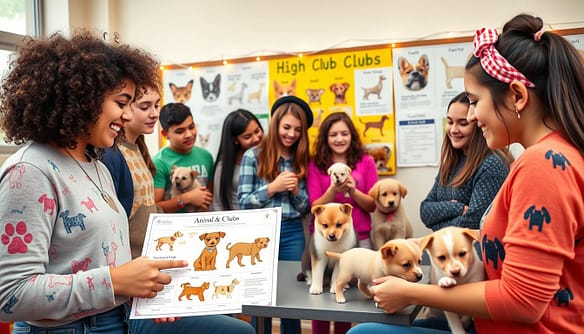
Their homecoming parade float? It’s a mobile adoption event. Their school assembly topic? The flawed science behind breed-specific legislation. This is student animal advocacy operating at a graduate level. They’re not asking for pity. They’re presenting evidence.
Consider the classic case of the Pit Bull. In their hands, this “scary” breed becomes a historical nanny dog. The aloof Shiba Inu transforms into a lesson on ancient Japanese breeding practices. They replace fear with fascinating facts.
This work is the intellectual counterpoint to puppy-eyed pleas. It’s youth animal volunteering with a thesis statement. These students are turning their campuses into petri dishes for social change. They use the social dynamics of high school to make knowledge cool.
What does success look like? It’s a formerly “unadoptable” senior dog finding a home after a club’s presentation. It’s a school district revising its policies on therapy animals. It’s a wave of new, informed foster volunteers from the junior class.
The genius is in the delivery. They speak the language of their peers. A TikTok series debunking breed myths gets more views than the promposal videos. An Instagram story takeover from a shelter dog creates a waiting list for walkers.
It’s activism with a side of extra credit. More importantly, it’s building a generation that doesn’t see a label. They see an individual. They see a history. They see a future best friend. The clubs prove that when you educate, you don’t just save animals. You transform communities.
Youth Foster Programs: Age-Appropriate Breed Interaction and Learning
In the world of kids animal rescue, foster homes are key. They are like a transitional place where animals learn to live with people. It’s not just about sitting in a classroom; it’s about real-life learning.
Megan’s story is a great example. A dog, once stressed and labeled as reactive, found peace with kids. After positive interactions, he passed his test and moved to a foster home. This shows how important volunteer help is.
In a foster home, a teenager becomes a detective. They figure out why a dog is chewing on things. It’s not just about being bad; it’s about the dog’s needs. This is real science.
The learning process is a win-win. The dog learns to live in a home, not a shelter. The teenager learns about different breeds and their needs. It’s like an internship in understanding animals.
So, what do teens learn from this experience?
- Real-Time Behavioral Intel: They learn how breeds act in real life, helping match them with the right homes.
- Problem-Solving Cred: They learn to solve problems, like finding ways to keep a high-energy dog happy.
- Advocacy Language: They learn to talk about breeds in a way that helps them get adopted, which is key for student animal advocacy.
This experience turns a living room into a classroom for kids animal rescue. Teens don’t just help one animal; they learn to understand breeds. This is how student animal advocacy becomes real action.
Student Breed Research Projects: Academic Credit for Animal Advocacy
Forget the lab rat; the modern student researcher is analyzing the shelter dog. Who says you can’t turn a passion for pups into a polished thesis? For the academically inclined youth animal volunteering enthusiast, the local rescue is a living laboratory.

It’s a goldmine of raw data waiting for a curious mind. This is where animal advocacy meets the scientific method. You’re not just filling water bowls. You’re testing hypotheses.
Think about it. A student could design a project tracking the correlation between specific enrichment activities and stress reduction in high-energy working breeds. Does a broth-filled Kong lower cortisol levels in a Border Collie more than a puzzle toy? That’s a research question with real-world impact.
Another powerful avenue is demographic analysis. Why are so many “doodle” mixes surrendered? Is it a mismatch of expectations versus breed reality? Unpacking surrender forms can reveal societal trends. This work goes far beyond simple youth animal volunteering.
The podcast nailed a key point: not all contributions involve direct handling. The non-handling tasks are the backbone of good research. Photography documents behavioral cues. Spreadsheet organization turns anecdotes into analyzable data. Even laundry logistics support a controlled environment.
A brilliant project for young breed enthusiasts is creating a digital archive. This system would catalog breed-specific behavioral notes and successful adoption strategies. It turns scattered observations into an institutional knowledge base. Future volunteers and adopters benefit instantly.
This isn’t academic busywork. It’s citizen science that directly improves animal welfare. Earning credit for this isn’t a loophole. It’s academia recognizing real-world problem-solving as the ultimate test of knowledge. Your KPI has a heartbeat.
| Project Type | Core Data Tasks (Non-Handling) | Academic Fit |
|---|---|---|
| Behavioral Enrichment Study | Photography/videography of sessions, logging stress indicators in a spreadsheet, organizing session schedules. | Psychology, Biology, Animal Sciences. Perfect for independent study credit. |
| Surrender Demographic Analysis | Anonymizing and coding intake forms, creating databases in Excel or Sheets, generating charts. | Sociology, Statistics, Data Science. Ideal for a capstone project. |
| Breed-Specific Digital Archive | Organizing photo libraries, writing and tagging behavioral notes, building a searchable wiki or database. | Information Systems, Communications, Pre-Vet Studies. Great for a service-learning requirement. |
| Adoption Outcome Tracker | Managing follow-up survey data, analyzing success/failure correlations, preparing impact reports. | Business Analytics, Social Work, Public Policy. Excellent for an internship or fieldwork. |
The table above shows how structured youth animal volunteering aligns with academic rigor. Each project uses those “behind-the-scenes” tasks to create meaningful scholarship.
So, pitch the idea to your professor. Frame it as applied learning. You’re not asking to play with dogs for credit. You’re proposing a rigorous study that will help shelters operate smarter. You’re providing the analysis they lack the bandwidth to perform.
For young breed enthusiasts with a notebook and a curious mind, this is the ultimate convergence. You advance science, help animals, and boost your GPA. Now that’s what I call a productive semester.
Teen Volunteer Breed Specialization: Focusing on Specific Breed Rescue Needs
What do a teen volunteer and a surgical resident have in common? They both specialize intensely. In animal rescue, generalists are key, but specialists are the game-changers.
Choosing a breed to focus on isn’t just about cuteness. It’s a strategic move. For young breed enthusiasts, diving into one breed is like getting a degree in Canine Studies.
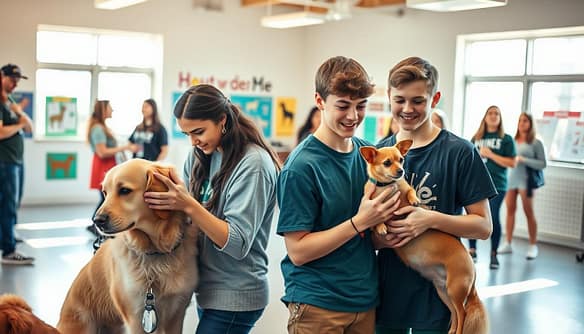
Megan doesn’t just walk dogs; she curates her time with specific dogs. She earns trust to take them on special outings. These aren’t just fun trips; they’re research opportunities.
How does a Greyhound react to a squirrel? Does a Boston Terrier snort in humidity? This is where theory meets reality.
Specializing in brachycephalic breeds means knowing their health needs. Focusing on herding dogs teaches you to understand their energy. This knowledge makes a volunteer a go-to expert.
This approach creates real experts. Staff rely on them for advice. “Ask Jamie about the Beagles—she knows their howls mean ‘I’m bored’ not ‘I’m hungry.'” This advice is invaluable.
Specialization gives teens a sense of purpose. They become authorities, not just helpers. They’re not just filling water bowls; they’re collecting vital data for adoptions.
For the next generation of young breed enthusiasts, this path offers more than just volunteering. It builds expertise, confidence, and a standout resume. In kids animal rescue, this knowledge is priceless.
Youth-Led Breed Education Campaigns: Social Media and Peer Outreach
If a shelter’s social media post gets zero likes, did the breed education even happen? This is the question driving a new wave of student animal advocacy. Young advocates are now using social media to spread the word.
They know that a single viral TikTok can have more impact than a 30-second news segment. It keeps showing up in feeds for weeks. This is peer-to-peer persuasion, done well.
The goal is more than just a cute photo. It’s about telling a story. For example, a series of Instagram Reels might show teen volunteers animals reading to dogs, debunking myths quietly. A Twitter thread can trace the history of the Labrador Retriever, making it easy to share.
This is digital diplomacy for dogs. The task is to meet people where they scroll. The content must be engaging, myth-busting, and shareable.
The best campaigns use more than one platform. They tailor their message for each platform. This way, the message reaches more people, whether they’re looking for fun or deep information.
Creating these campaigns needs more than good ideas. It needs strategic communication frameworks for maximum impact. The result is a generation that can spot and challenge breed stereotypes.
| Platform | Content Format | Key Strength for Breed Education | Campaign Example |
|---|---|---|---|
| TikTok | Short-form video (15-60 sec) | High virality; ideal for quick, emotional myth-busting. | A series showing various large breeds gently interacting with teen volunteers animals, set to trending audio. |
| Reels, Carousels, Stories | Visual storytelling; great for “before/after” foster tales and breed fact carousels. | A “Breed of the Week” carousel post detailing history, temperament, and common misconceptions. | |
| Twitter / X | Threads, concise posts | Driving conversation; perfect for linking breed history to current advocacy issues. | A threaded narrative connecting breed-specific legislation to its historical inaccuracies, a core tactic of modern student animal advocacy. |
These skills are valuable in the real world. They look great on college applications. More importantly, they teach digital literacy focused on empathy and truth.
These campaigns show that advocacy doesn’t need a lot of money. It needs creativity, consistency, and understanding. Today’s shelter dog’s best advocate might be a teen with a smartphone and a clever caption.
Summer Camp Animal Programs: Breed Education for Young Volunteers
Forget about making friendship bracelets; the modern summer camp for animal lovers is different. It’s like a lab for learning about dogs. This is where youth animal volunteering gets a big upgrade.
These programs are made for young breed enthusiasts. Mornings are for learning about dog breeds in class. Afternoons are for putting what they learned into action.
The main part of the program is the “walk-and-learn” session. Here, campers learn by walking dogs. They do field research, not just walk dogs.
They go on hikes, car rides, and even get pup cups. These outings test a dog’s behavior. A busy ice cream shop shows a terrier’s instinct to chase. These aren’t just fun trips; they’re important learning experiences.
It’s a mix of science and adventure. At night, they talk about dog genetics and ethics. This turns their passion into something meaningful.
This program does more than just fill a summer. It teaches young people to care for animals all their lives. They learn why breed matters. For more information, check out the Oatland Island Wildlife Center summer camp.
4-H and FFA Connections: Livestock and Companion Animal Breed Knowledge
Learning about a prize-winning heifer and socializing a shelter puppy might seem different. But, a growing number of student animal advocates see them as connected. This movement is breaking down the gap between city and country, happening in show rings and barns everywhere.
4-H and Future Farmers of America are top programs for learning about animals. Kids don’t just feed animals; they learn about genetics, nutrition, and ethics. They get hands-on experience in life cycles, from birth to adulthood.
The evolution isn’t about replacing livestock projects. It’s about adding more. The skills teens learn judging animals are the same for evaluating shelter dogs. Knowing about animal anatomy helps a lot.
Keeping detailed records is key for both livestock and foster animals. This skill is essential for saving lives. It shows how important organization is.
This connection makes shelter work respected in these programs. It shows that the knowledge gained in barns is also valuable in city shelters. This creates a supportive community around animal science. The podcast highlights how important this community is, showing how teen volunteers transforming lives rely on shared knowledge and support.
In the end, it’s a complete view. The line between farm and home blurs in a good way. Teens learn that caring for animals is universal, whether they have hooves or paws. This isn’t a side track from farm education; it’s a natural extension. And that’s how you build a strong base for student animal advocacy.
Youth Mentorship Programs: Learning from Experienced Breed Enthuasiasts and Rescuers
You can’t learn the feel of a nervous Greyhound’s pulse from a textbook. A syllabus won’t show you the subtle warning in a terrier’s stance. Real education in youth animal volunteering happens in the messy, beautiful apprenticeship under a seasoned guide.
Think of it as finding your Yoda in a world of lint rollers and treat pouches. Megan’s advice from the shelter trenches is key: find your group. The volunteer community is a giant, sometimes dysfunctional, family. A formal mentorship program makes that bond concrete. It pairs a curious teen with a pro who’s seen it all.
This mentor does more than demonstrate a harness fit. They explain why a deep-chested breed needs a different style. They connect a dog’s fear to its breed history. This relationship is a burnout vaccine. It’s where a young volunteer learns to process a hard day by focusing on small victories.
That’s the heart of authentic kids animal rescue. The grizzled veteran passes the torch. Their hard-won, breed-specific wisdom gets a new life. A digitally-native generation evolves it.
This final step transforms knowledge into wisdom. It ensures the mission of compassionate kids animal rescue continues, smarter with each cycle. The circle completes, now with better social media tactics and the same old heart.