
Animal rescue needs a custom approach, not a one-size-fits-all solution. It’s like trying to save the Titanic with a teaspoon. Dogs with unique needs can’t be saved by just a warm bed and a kind heart.
Take the French Bulldog’s unique snorts or the Border Collie’s need for mental stimulation. These aren’t just quirks; they’re essential for their care. This is where the old rescue model fails.
Effective rescue needs a clear mission. It must focus on a specific need. It’s more like a specialized startup than a charity.
Some groups find their focus by accident. For example, a rescue that only deals with small dogs becomes an expert in their health issues. They didn’t aim to be specialists, but the breeds taught them.
This change turns good intentions into precise, expert intervention. It’s like the difference between a general doctor and a specialist who speaks the patient’s language. This is the heart of specialized breed fostering and breed-specific rescue networks.
Breed-Specific Rescue Network Benefits: Specialized Care and Expertise
Creating a foster system for specific breeds has many benefits. It saves money on vet bills and helps dogs get adopted faster. General rescue efforts are like using a Swiss Army knife for heart surgery. They might work, but the risk is high.
What’s the cost of that risk? Dogs might get misdiagnosed. A lump on a Greyhound could be harmless. Volunteers can get burned out, and organizations see longer stays and lower adoption rates.
A breed-specific network changes this. It’s like a team of experts working together. Every foster, vet, and behaviorist knows their role. This way, knowledge is shared and everyone has what they need.
Groups like Best Friends use this model. They have thousands of organizations working together. This scale helps them create detailed plans for each breed.
For example, a French Bulldog’s plan includes how to manage breathing issues. A German Shepherd’s plan covers hip problems and anxiety. This specialization leads to better results.
The table below shows the difference between general and breed-specific rescue efforts.
| Performance Metric | General Rescue Approach | Breed-Specific Network |
|---|---|---|
| Average Medical Cost per Intake | Higher (reactive care, misdiagnoses) | Lower (preventive, accurate diagnoses) |
| Foster Home Retention Rate | Lower (burnout from mismatches) | Higher (informed, prepared volunteers) |
| Average Days to Adoption | Longer (generic marketing) | Shorter (targeted placement knowledge) |
| Adoption Success Rate (No Return) | Standard | Significantly Higher |
This detailed plan is incredibly valuable. It helps avoid mistakes and ensures dogs get the right care. It’s like having a proven recipe for every breed’s specific needs.
Specialized foster programs are a smart way to help dogs. They turn good intentions into a well-organized effort. This focused approach is key to making a real difference in animal welfare. It shows that with the right strategy, compassion can lead to real results.
Identifying Community Breed Needs: Local Shelter Breed Population Analysis
Is your city really flooded with Dachshunds, or is that just a myth on social media? The truth is in the shelter statistics. Starting a specialized breed fostering network without this data is like shooting darts in the dark. You might hit something, but it’s probably not the target.
Your goal should be based on community needs, not just your passion. Start by diving deep into local shelter intake numbers. It’s like being an animal welfare detective, tracking the spread of a specific breed surplus.
Municipal shelters are key to gathering data. Building a transfer program begins here. You need to know which breeds keep coming back to the system every week. Are German Shepherds surrendered every Friday after failed protection training? Do Border Collies arrive in spring when people realize a smart dog needs a job?
This analysis goes beyond just guessing. It involves looking at owner surrender forms for trends. It also means quietly watching local breeder activity. A sudden increase in “designer” mixes often means a backyard breeder has gone out of business.
The model used by groups like Best Friends Animal Society is very helpful. They work closely with shelters to find dogs facing euthanasia. This turns data into action.
Your aim is to find where the biggest need is. This prevents your network from being too narrow. You want to be a task force, not just a think tank. Effective breed rescue coordination solves real problems.
Let’s look at the key data points you need to collect. The table below shows the main sources of information for your community breed census.
| Data Source | What It Reveals | How to Access | Strategic Value |
|---|---|---|---|
| Shelter Intake Statistics | Volume & frequency of specific breeds entering the system; seasonal influx patterns. | Formal data-sharing agreements with municipal shelters; public reports. | Identifies the core, recurring problem breeds that need immediate network support. |
| Owner Surrender Interviews | Common reasons for relinquishment (behavior, cost, lifestyle) tied to breed traits. | Collaborate with shelter staff to anonymize and review surrender forms. | Highlights the specific knowledge gaps fosters will need to address for successful outcomes. |
| Local Breeder & Marketplace Scan | Popularity of certain breeds in your area; possible future shelter intake from poor breeding. | Monitor online sales platforms, pet store suppliers, and breed club complaints. | Provides early warning for future waves of specific breeds needing rescue. |
| Euthanasia Risk Lists | Breeds most frequently placed on urgent lists due to space or behavioral notes. | Direct networking with shelter behaviorists and kennel managers. | Pinpoints the most vulnerable populations where a foster network can have the greatest lifesaving impact. |
This isn’t just about numbers. It’s about telling a story with data. The numbers show if your community has a Siberian Husky problem or just a Game of Thrones hangover. They reveal if French Bulldogs are a fad or a fixture.
Once you have the data, you can plan a targeted response. This is the base of all future steps. It guides what kind of foster homes you’ll recruit and the training programs you’ll create.
Research on effective shelter collaboration shows the importance of this data-driven approach. It turns good intentions into real results.
Remember, your goal is to stay one step ahead with your specialized breed fostering network. You’re not just reacting to dogs in the kennel today. You’re planning for who will be there next month. That’s the power of proper breed rescue coordination. It turns data into destiny for the dogs who need it most.
Recruiting Breed-Experienced Fosters: Finding People with Specific Breed Knowledge
You wouldn’t hire a pastry chef to run a steel mill, so why recruit any dog lover for a specific breed? It’s just as wrong. Finding the right people for a breed-specific rescue network is a special task.
We’re not just looking for people with spare rooms and big hearts. We need those who can understand a Saluki’s body language, a Border Collie’s energy, or a Chow Chow’s pride. It’s about finding experts, not just anyone.
General community foster programs try to help many. But we aim for precision. The perfect candidate might be a retired show handler, a former breeder, or someone who’s lived with the breed for years. They have deep, personal knowledge.
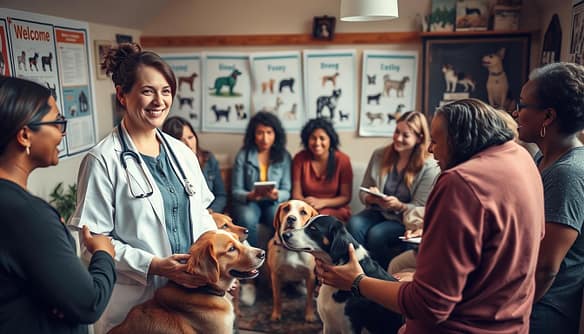
So, where do you find these experts? Forget generic volunteer boards. Look in niche places.
- Breed Club Meetings: This is where the passionate and knowledgeable gather. Not all are fosters, but many are.
- Specialized Online Forums & Social Groups: These are digital hubs where breed enthusiasts discuss everything. Engage and present your needs.
- Local Dog Shows & Performance Events: Meet handlers and owners outside the ring. Start conversations with their passion.
- Veterinary Clinics with Breed Specialties: A vet who sees many Great Danes knows all the owners. That’s a great network.
Finding them is just the start. Keeping them is key. Breed-experienced fosters are precious. Burnout is a big risk. Offer strong support: behaviorists, respite care, and a community that understands their challenges.
Your pitch must change. It’s not just “save a life.” It’s about specific needs, like a critical medical case or a behaviorally complex dog. This shows you value their expertise.
This approach builds a strong, self-supporting system. Your breed-specific rescue network becomes a hub of knowledge. Each foster home is a learning center, adding to the collective wisdom. This turns your operation into a true center of excellence for the breed. Dogs are not just housed; they’re understood, healed, and prepared by people who truly get them.
Training Programs for Breed-Specific Fostering: Health, Behavior, and Special Needs
Offering a foster home without training is like giving a complex instrument to someone who doesn’t know how to play. The notes might be there, but it won’t sound right. This is where rescue network development meets the need for real skills.
Basic obedience and potty training are like learning “Chopsticks.” They’re basic, yes. But for a breed-specific dog, like a nervous German Shepherd or a stubborn Bulldog, you need more. A good training program is like the sheet music that helps the foster care for the dog.
The core curriculum goes beyond the basics. It’s like a three-act play: Health, Behavior, and Special Needs. Each part is made for the breed’s unique needs.
First, health. It’s not just about noticing a limp. It’s about knowing a Great Dane’s risk for torsion or a Cavalier’s silent heart murmur. Training helps fosters spot these signs early.
Then, behavior. Here, Source 3’s protocol really shines. It uses certified behaviorists, like the NBS model. A dog isn’t just “aggressive”; it might be scared because of bad socialization. Training teaches fosters to understand these signs and help the dog.
Lastly, special needs. This is where enrichment gets specific. Source 1 shows how to keep dogs mentally well. For a Jack Russell, it’s digging simulations. For a Border Collie, it’s herding games. Without this, you’re just holding energy, not helping it.
Let’s look at the main parts of a good program:
- Genetic Predispositions Workshop: Why do scent hounds run off? Why are guardians protective? Understanding the “why” behind the behavior.
- Behavioral Flag Identification: From resource guarding in herding breeds to separation anxiety in velcro dogs. Spotting the red flags early.
- Emergency Health Recognition: Breed-specific first response. Knowing what’s an emergency for a brachycephalic breed versus a sighthound.
- Enrichment & Socialization Protocols: Practical, breed-appropriate activities that fulfill instinctual drives and promote mental stability.
This turns a volunteer into a key part of your team. It’s the backbone of breed rescue coordination. It ensures every dog gets the care they need, no matter where they are.
Without training, your network is just good people trying. With it, you create a rehabilitative engine. Studies show dogs move through the system faster, adoption rates go up, and outcomes are better. It’s the difference between a band-aid and surgery.
Investing in breed-specific training is essential. It’s not extra; it’s the foundation of your rescue network development. It makes your fosters into leaders, guiding each dog to its perfect home.
Veterinary Partnership Development: Breed-Specific Health Care Connections
A discount on vaccines is nice, but what a breed-specific rescue network really needs is more. They need a vet who knows about hereditary conditions. It’s like not asking a cardiologist to do brain surgery. A general vet might not know the health puzzles of a Bulldog or Great Dane.
This isn’t just about saving money. It’s about finding a vet who is a true ally. A vet who can spot health issues in a dog, like elbow dysplasia in a Bernese Mountain Dog. This is key for specialized breed fostering.
Let’s talk about what’s non-negotiable. Successful rescues, like NBS Rescue, have a strict medical checklist. Every animal is spayed or neutered, microchipped, and vaccinated. They also get heartworm and flea prevention. Special surgeries are handled too.
But the real magic happens when the vet relationship changes. The table below shows the difference.
| Aspect | Transactional Vet Relationship | Strategic Breed-Specific Partnership |
|---|---|---|
| Primary Focus | Cost per procedure | Long-term health outcome |
| Knowledge Base | General canine/feline medicine | Deep dive into breed-specific genetic predispositions |
| Communication | Reactive: “The dog is sick, now what?” | Proactive: “This breed line has a history of PRA, let’s schedule baseline eye exams.” |
| Value Provided | Service for a fee | Expertise as a network asset |
| End Goal | Completed treatment | A healthier, more adoptable animal and an educated foster |

This partnership is like professional networking with a pulse. The rescue gets interesting cases, and the vet gets to practice specialized medicine. It’s a win-win.
Imagine a foster home with a German Shepherd puppy. A generic vet might treat a routine tummy ache. But a vet who knows about Exocrine Pancreatic Insufficiency (EPI) in German Shepherds might run a TLI test early. This is the difference between managing symptoms and preventing a lifetime condition.
Building these connections takes more than a phone call. You need to present your specialized breed fostering program as a collaborative venture. You’re not just asking for a favor. You’re giving a vet a chance to be known as the expert for certain breeds in your area.
So, skip the conversation about discounts. Start by saying, “We specialize in Dachshunds, and we need a surgeon who knows IVDD protocols. Can we talk about how we can support each other?” That’s how you build a true partnership.
Transport Networks for Rare Breeds: Moving Animals to Specialized Foster Homes
Geography often gets in the way, separating animals from the perfect foster homes. For a rare breed in a kill shelter far away, and an expert foster home even farther, the map is a big obstacle. Building a transport network is key. It’s not just about driving; it’s about turning miles into miracles.
Imagine a relay race with volunteers driving. Each one takes a part of the journey, passing the animal to the next at a stop. This model is the heart of moving animals across regions. It needs careful breed rescue coordination, scheduling, and apps to keep everything running smoothly.

But there’s a lot of red tape. Moving animals across states has its own rules. Each state has its own health certificates, vaccinations, and entry rules. A single missing document can stop an animal’s journey. Successful networks know how to handle this, working with vets to get all the paperwork right.
No one does this alone. The real power comes from working together. Organizations like Best Friends Animal Society show how to link local rescues with out-of-state partners. This creates a big network that moves animals to where they need to be.
This isn’t just moving a dog. It’s about using data to find the right homes for animals. Shelters and foster homes are matched with animals, no matter where they are. This makes sure every foster home is used to its fullest.
The big win is turning breed rescue coordination into a national effort. It makes sure animals go to the right homes, making every mile and volunteer hour count. A strong transport network doesn’t just bridge distances. It brings hope to animals in need.
Breed Club Partnerships: Working with Established Breed Organizations
What if the key to boosting your breed-specific rescue networks is to team up with the “purebred” establishment? It might sound strange, but it could be the game-changer. For many in rescue, the American Kennel Club (AKC) and its breed clubs are seen as the problem. It’s a battle between the grassroots and the establishment.
But this view is wrong. To really make a difference, you need the help of those who know the most about your breed. Breed clubs have a wealth of knowledge on health, temperament, and breed history. They are the experts.
To bridge the gap, change how you talk about rescue. Don’t attack breeders. Instead, show how rescue protects the breed’s future and integrity. It’s not about shaming; it’s about saving dogs that need help.
Imagine a team effort for the good of dogs. Rescue brings its strengths like hands-on care and community outreach. Breed clubs offer their expertise, breeder connections, and sometimes, funding.
This is what building coalitions is all about, as animal welfare advocates say. It’s about working together beyond our usual groups. Just like corporate alliances help shelters, breed club partnerships can make a big difference. You use the breed club’s passion for the breed to help dogs in need.
To start talking, don’t blame. Show your love for dogs. Speak at a club meeting. Share how your rescue helps breed owners in trouble. Show how your work aligns with the club’s goals.
The possibilities are huge. Breed clubs can help find foster homes and give breed-specific advice. They might even help with vet bills for rescue dogs. This makes your rescue network development project a success for everyone.
This partnership is about moving past old rivalries. The show ring and rescue kennels are part of the same dog-loving world. By working with breed clubs, you’re not giving up. You’re getting smarter. You’re building a breed-specific rescue network that’s informed and strong.
Success Metrics for Breed Networks: Adoption Rates and Animal Outcomes
In today’s rescue world, counting adoptions is like counting applause at a concert. It shows something happened, but not if it was good. For breed-specific networks, we need more than just numbers. We need to see if the animals are truly thriving.
The big goal is to save 90% of animals, as Best Friends Animal Society suggests. But for specific breeds, this is just the start. Saving 90% doesn’t mean the cat with diabetes is healthy or the reactive dog is safe.
True breed rescue coordination needs detailed metrics. It’s like a medical chart for your whole network. What should you track?
- Return Rate & Reason: A low return rate is good. But a low return rate with detailed reasons (like “human allergies”) is even better. It shows you’re matching animals well, not just moving them.
- Quality-of-Life Indicators: This is where “healthy, well-balanced” gets real numbers. Is the arthritic senior’s pain going down? Has the anxious German Shepherd’s anxiety improved? This shows if animals are living with dignity.
- Medical Outcome Success: Was the Bulldog’s airway surgery a success? Did the heartworm-positive dog finish treatment without issues? This shows the value of your vet partnerships.
- Long-Term Placement Stability: Adoption at six months is a start. But a dog in the same home two years later is a real success. This shows your work lasts.
This change makes your goal clear. You’re not just hoping for a good match. You’re checking for it with data. A top community foster program knows a perfect adoption is about medical care, behavior assessment, and the right home.
So, what’s the final analysis? Stop just counting. Start measuring real impact. The number of dogs fostered is just logistics. The number of dogs who never need rescue again is true freedom. Your metrics should show lives changed, not just tasks done. That’s the true goal for any serious breed rescue coordination network.
Funding Breed-Specific Programs: Grant Writing and Community Support
Let’s talk money. Specialized rescue comes with a price tag. Your plan for a rescue network development focused on French Bulldogs or Great Danes faces a hurdle. The first vet bill for breed-specific issues is a big one.
Grant writing is your secret weapon. Don’t ask for generic “dog food money.” Instead, focus on the unique value of specialized breed fostering. Ask for funds for “cardiomyopathy screening for Doberman rescues” or “bladder stone surgery for Dalmatians.” You’re selling a vision of expertise, not just sympathy.
Cultivate a donor base of breed fanatics. These are people who don’t just like dogs; they live and breathe the Siberian Husky. Turn them from casual givers into invested patrons who fund your network’s most complex cases.
Use solid financial planning, like the frameworks in Rescue Group Best Practices guides. Build a sustainable model. This economic engine lets you say “yes” to the expensive cases that generic rescues must decline.
Funding isn’t just paperwork. It’s the fuel for your entire mission. A well-funded rescue network development project means more lives saved through dedicated specialized breed fostering. That’s the final piece of the puzzle.