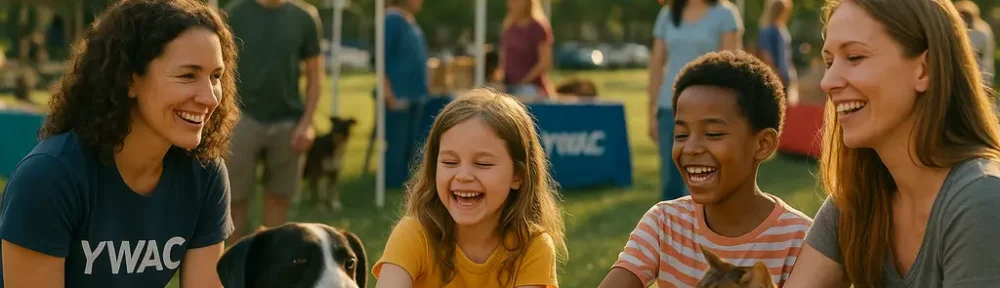
A YWAC Adoption Event is not just a place where pets meet potential families. It is a moment where community members can turn concern into useful action. As a volunteer and animal advocate, I think of these events as a bridge: one side holds animals waiting for stability, and the other holds people who may be ready to adopt, foster, donate, or learn how to help responsibly.
Young-Williams Animal Center in Knoxville, Tennessee, works in the center of that bridge. The work is practical, emotional, and often very ordinary in the best possible way. A clean bowl, a fresh blanket, a calm walk, a patient answer to a visitor’s question — these small efforts can make an adoption conversation feel safer for both the pet and the person considering a commitment.
Why Volunteers Matter At Young-Williams
The Scale Of Community Service
Volunteer work at an animal center can sound charming from the outside, but it is also structured, steady labor. In 2025, Young-Williams Animal Center reported 1,023 active volunteers and 110 active volunteer groups, with 38,877 service hours and an economic impact of more than $1 million Young-Williams volunteer program. That figure tells a powerful story without needing to dress it up: animal welfare depends on people who keep showing up.
Those hours are not abstract. They can mean dogs getting walks and social time, cats receiving enrichment, laundry moving through the shelter, dishes getting cleaned, and staff having support during busy public-facing moments. The volunteer is not there to replace trained shelter professionals. The volunteer helps carry the daily weight so the whole organization can better serve animals and people.
Why Adoption Events Need Calm Helpers
Adoption events bring energy. Visitors may be excited, nervous, grieving a past pet, bringing children, or asking their first serious questions about animal care. Pets may be curious, shy, distracted, or tired from the attention. A steady volunteer presence helps lower the volume, even when the room is full.
Good volunteers do not pressure anyone into adopting. Responsible adoption means matching real animals with real households, not chasing a happy photo. A family who leaves with better information has still been served. A person who decides to foster first, return later, or support in another way has still become part of the safety net.
What A YWAC Adoption Event Volunteer Gives
The First Hour At A YWAC Adoption Event
The first hour can set the tone. At a YWAC Adoption Event, volunteers may help prepare supplies, keep areas tidy, support staff instructions, answer basic process questions, and gently direct visitors toward the right team member. The best event volunteers are not trying to be the loudest advocates in the room. They are observant, respectful, and ready to help.
A volunteer might notice that a dog needs a short break from greetings or that a cat’s area needs freshening. They might help a visitor understand why a pet’s needs matter as much as appearance or breed label. This is especially meaningful for unusual breeds, senior pets, shy animals, and pets who do not “sell themselves” in the first ten seconds. Adoption advocacy should make room for the overlooked.
Young-Williams lists volunteer activities that include walking and socializing dogs, facilitating playgroups, providing enrichment, helping with daily feeding and cleaning routines, participating in educational programs, and supporting administrative duties; prospective volunteers must be at least 16, complete an online application and orientation, attend required training, commit to at least six hours per month for the first three months, and pay a one-time $35 program fee volunteer requirements. Those expectations help protect animals, volunteers, and staff from guesswork.
The Emotional Gift Of Being Steady
A YWAC Adoption Event can be joyful, but it can also be tender. Some visitors are ready to adopt right away. Others are still learning what kind of pet fits their life. A good volunteer makes space for honest reflection: work schedules, housing rules, children, other pets, exercise needs, grooming, training, and long-term costs.
That honesty is not a barrier to adoption. It is the foundation of adoption that lasts. If a pet has high energy, needs a quieter home, or may require extra time to settle, the kindest thing is to say so under staff direction. Hope is not built by pretending every match is easy. Hope is built by helping people make thoughtful choices.
Preparing With Adoption-First Care
What Volunteers Can Do Before They Arrive
Preparation starts before the event table opens. Volunteers can review the center’s instructions, dress for safe movement, bring water, and arrive ready to follow staff direction. If you are new, it is fine to say so. In animal welfare, asking for help is not weakness; it is responsible care.
For volunteers who love learning about breeds and behavior, adoption events can be eye-opening. A dog’s breed mix, body language, and past shelter notes can all shape how staff introduce that pet to the public. For a deeper look at how volunteer programs build breed awareness, our community piece on learning about different pet breeds connects well with this kind of event preparation.
- Listen First: Follow staff instructions before offering advice to visitors.
- Use Gentle Language: Describe pets with respect, avoiding labels that make them sound broken or difficult.
- Protect The Pet’s Space: Help prevent crowding, rushed handling, or repeated greetings without breaks.
- Support Realistic Matches: Encourage questions about time, budget, housing, and long-term care.
- Know Your Limits: Refer medical, behavior, and policy questions to shelter staff; health concerns should go to a licensed veterinarian.
Fostering As The Quiet Extension Of Adoption
Fostering and adoption events are closely linked. A foster home can give a pet a calmer place to rest, show how that animal behaves in a home setting, and create information that may help future adopters. That does not mean fostering is easy. It takes boundaries, communication, and a willingness to let the pet’s needs lead.
Breed-specific foster support can be especially helpful for pets with particular exercise, handling, or enrichment needs. If that topic speaks to you, the article on breed-specific foster networks offers a thoughtful companion read. The same idea applies at an event: better knowledge can create better matches.
Community Support Beyond The Event Table

Short-Term Help Still Counts
Not every supporter can make a long commitment right away. Some people are students, caregivers, shift workers, or families testing what kind of service fits. The research on Young-Williams notes short-term volunteer opportunities tied to community service programs, with tasks such as preparing toys and treats, laundry, dishes, and helping with the Pet Food Pantry. That kind of work may not appear in adoption photos, but it supports the same mission.
There is dignity in practical help. Washing bowls is not less meaningful than holding a leash. Preparing enrichment is not less meaningful than speaking with visitors. Adoption outcomes are supported by hundreds of small actions that make animals more comfortable and staff better equipped.
Honoring Volunteers Without Centering Ourselves
Volunteer appreciation matters because burnout is real in animal welfare. Still, the heart of the work is not praise. It is service. The healthiest volunteer culture celebrates people while keeping animals, adopters, fosters, and staff at the center.
That balance matters at every YWAC Adoption Event. We can be enthusiastic without being pushy. We can be emotional without making the moment about us. We can love a pet deeply and still trust the adoption team’s process. That is how community care matures from good intentions into dependable support.
Fostering Hope At The Next YWAC Adoption Event
Every YWAC Adoption Event is a chance to practice hope in public. Not loud hope. Not rushed hope. The useful kind: folding the towel, filling the water bowl, offering a kind answer, giving a shy animal space, and helping a family think carefully before they say yes.
If you are considering volunteering, start by learning the requirements and deciding what level of commitment you can truly keep. If adoption is on your mind, ask patient questions and think beyond the first spark of connection. If fostering is possible, consider how your home might help one animal become better understood.
Hope grows when a community refuses to treat shelter pets as someone else’s responsibility. It grows when volunteers respect staff expertise, when adopters choose with care, and when foster families open their homes with honesty. That is the spirit I hope people bring to the next event: steady hands, open hearts, and a deep respect for the animals waiting to be known.