
October Pet Adoption events are more than calendar listings. They are small doorways into rescue work: a leash held by a volunteer, a foster parent sharing what a shy dog is like at home, a family asking whether they are truly ready for a new pet. On October 6, 2026, several October events listed by rescues and shelters are still ahead, which gives neighbors time to prepare with care rather than impulse.
As Elara Wynford, I tend to watch the quiet moments first. The best adoption days are not loud sales floors. They are conversations. They give people space to ask about daily routines, expenses, introductions with resident pets, housing rules, and the lifelong promise that follows the happy photo.
October Pet Adoption Events With Rescue Focus
For October Pet Adoption planning, start with events that clearly connect adoption with foster and volunteer education. One confirmed example is See Spot Rescued’s Pups on the Plaza in Hoboken, New Jersey, scheduled for Sunday, October 11, 2026, from 11:00 AM to 4:00 PM, with pet adoptions and information about foster and volunteer involvement listed by the organizer See Spot Rescued event details.
A Confirmed Hoboken Date To Know
Pups on the Plaza offers a useful model for families who want to meet adoptable pets while also learning how rescue support works. A person may arrive hoping to adopt, then realize fostering is a better first step. Another may not be ready for either, but can help with event setup, transport, supplies, or spreading accurate adoption information in the community.
That is the hidden strength of local adoption gatherings. They give rescue pets visibility, but they also give humans a chance to be honest. A home with long workdays, a senior pet, young children, or housing restrictions may need more planning. A good event volunteer will welcome those questions because thoughtful timing can protect both the animal and the adopter.
Other October Formats Families May See
The October 2026 research notes include a mix of adoption weekends, mobile adoption stops, Halloween-themed shelter events, cat and kitten meet-and-greets, and National Adoption Week activities. Since each organization sets its own schedule, process, and available animals, visitors should confirm details directly with the host before leaving home.
Mobile adoption events can be especially helpful for people who feel nervous walking into a shelter. Public events may feel more familiar and less formal. Still, the same responsible questions apply. Who has met the pet? Is the animal in a foster home or shelter kennel? What is known, and what is still uncertain? Ethical rescue work allows room for both answers.
For readers who want to understand how neighbors power events like these, our community piece on volunteers at pet adoption events offers a kind companion read.
Responsible Adoption Starts Before The Meet-And-Greet
Adoption day can stir big feelings. A dog may lean into your knee. A kitten may fall asleep in your hands. Those moments matter, but they are not the whole story. Responsible adoption asks whether the match can work on an ordinary Tuesday: during work, errands, training needs, cleaning, vet visits, and the unexpected cost that always seems to arrive at the worst time.
October Pet Adoption Questions To Ask
A good October Pet Adoption visit includes more listening than deciding. Before applying, families can ask questions that help them respect the animal’s needs and their own limits.
- Daily routine: What feeding, exercise, litter, enrichment, and rest patterns are known?
- Home fit: Has the pet lived with children, cats, dogs, or apartment noise?
- Medical context: Are there known health needs, and what should be discussed with a licensed veterinarian?
- Behavior notes: What has the shelter or foster home observed in calm settings, not only at events?
- Support after adoption: Who can adopters contact if questions come up during the first weeks?
These questions are not barriers. They are acts of care. A family that slows down before signing is not less committed. Often, they are the family a foster volunteer hopes to find.
Fee-Waived Does Not Mean Care-Free
Some October adoption events may waive or reduce fees. That can remove a real hurdle for loving homes, but it does not remove the future cost of food, preventive veterinary care, licensing where required, grooming, safe equipment, training support, and emergency planning. Families should treat a waived fee as an invitation to prepare, not a reason to rush.
For renters, preparation includes checking pet policies in writing. For families with resident pets, it means planning slow introductions as advised by the rescue or shelter. For anyone adopting a pet with known medical needs, it means speaking with a licensed veterinarian rather than guessing from online comments. Rescue love is warm, but it should also be practical.
Volunteer And Foster Support Behind October Events
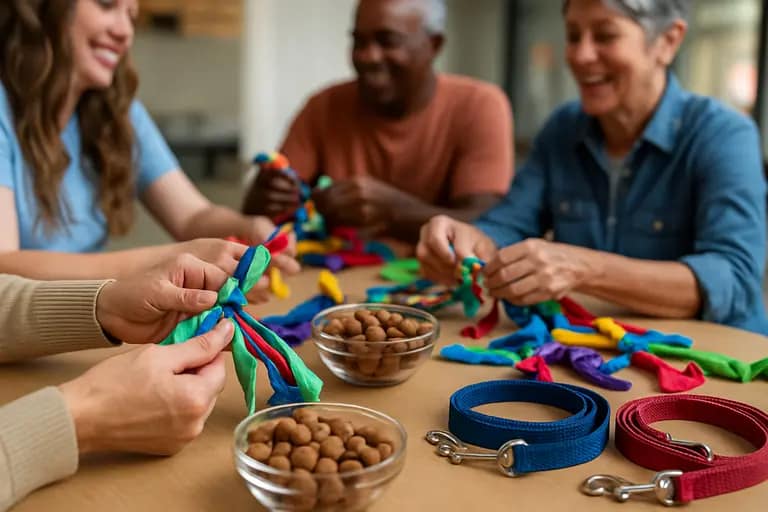
Adoption events work because people give time before, during, and after the public hours. Foster homes may drive animals to the event, answer questions, send updates to adoption coordinators, and help a pet decompress afterward. Volunteers may greet visitors, clean crates, refresh water bowls, manage paperwork lines, or keep foot traffic calm around nervous animals.
Why Foster Homes Matter To Shelter Work
Fostering is not simply extra space. It can give shelters and rescues more information about how a pet behaves in a home setting. That information can help with placement conversations, though every animal can change as stress levels and routines change. The ASPCA announced $14 million in funding for U.S. animal shelters and spay/neuter providers, including support for efforts such as expanded foster programs and open-adoption models ASPCA shelter support announcement.
That kind of investment reflects a basic truth many local volunteers already know: adoption success is rarely the work of one person. It is a chain. One person photographs a cat. Another transports a dog. A foster home notices that a puppy sleeps better after a predictable bedtime routine. An adoption counselor matches those details with a family prepared to keep learning.
Volunteer Roles For Different Schedules
Not every helper can foster, and that is all right. The rescue world needs different kinds of steadiness. Before signing up, neighbors can ask how training works, whether there is an orientation, what physical tasks are involved, and how the organization handles safety around unfamiliar animals.
- Event support: Greeting visitors, helping with setup, cleaning, and keeping walkways calm.
- Transport: Driving pets or supplies when approved by the organization.
- Foster care: Opening a temporary home within the rescue’s policies and support system.
- Administrative help: Updating bios, answering emails, or organizing supply lists.
- Community sharing: Promoting adoptable pets with accurate, respectful language.
The best role is the one a volunteer can keep doing kindly. A two-hour monthly shift done with patience can be more useful than a burst of help that leads to burnout.
October Pet Adoption Volunteer Opportunities
October Pet Adoption can be a generous season if communities treat events as beginnings, not endings. The goal is not to move animals quickly for the sake of a busy weekend. The goal is to help pets meet people who understand commitment, limits, and the support a rescue may need long after the decorations come down.
How To Choose A Role That Fits
If you are ready to adopt, bring your questions and your household’s real schedule. If you are curious about fostering, ask what supplies, training, emergency contacts, and time frames the organization provides. If you can only volunteer at one event, ask where help is most needed and be willing to do the quiet work.
The most meaningful adoption events often feel simple from the outside: a table, a water bowl, a clipboard, a pet resting beside a foster caregiver. Behind that scene is a community choosing responsibility over impulse. That is where rescue work becomes more than a date on the calendar. It becomes a promise kept in small, steady ways.