
Pet Industry Growth is not just a business headline. For those of us who spend time around kennels, foster homes, adoption events, and shelter intake desks, it is a daily reminder that love for animals is growing alongside the cost and responsibility of caring for them.
On paper, the numbers look large. The U.S. pet industry reached about $158 billion in consumer expenditures in 2025 and was projected to reach $165 billion in 2026, with full-year growth expected near 4.4%, about 2% of it tied to inflation, according to the American Pet Products Association APPA industry data. In shelter terms, those dollars show up in quieter ways: adopters asking better budget questions, rescues building supply pantries, and volunteers helping families keep pets rather than surrendering them.
That is where the story becomes deeply human. A family may be ready to adopt a dog, but they also need to understand food, training, licensing, grooming, routine veterinary care, and emergency savings. A senior cat may be ready for a couch, but the adopter needs honest support before signing the paperwork. Growth in spending does not automatically mean easier adoption. It means shelters and communities have to connect compassion with planning.
Pet Industry Growth And The Adoption Shift
How Pet Industry Growth Changes Shelter Conversations
The adoption conversation has become less about a single happy moment and more about long-term matchmaking. Shelters and rescues are still working hard to place animals in homes, but responsible groups also want those homes to be prepared. That can mean asking about lifestyle, time, housing rules, existing pets, and care budgets without shaming families who are doing their best.
For shelters, Pet Industry Growth creates both opportunity and pressure. More public attention to pets can help adoption campaigns, foster appeals, and donation drives. At the same time, higher household spending can make some adopters hesitate. A person who wants to help may pause after adding up food, preventive care, pet deposits, training classes, and transport. That pause is not a failure. It can be the beginning of a better adoption plan.
The national shelter data shows why this planning matters. In 2025, shelter and rescue intake for dogs and cats was about 5.8 million, down by roughly 121,000 animals, or about 2%, from 2024. Adoptions reached about 4.2 million, a 0.7% increase from 2024, according to the ASPCA’s release on Shelter Animals Count data national sheltering report. A small adoption gain is still meaningful, especially for the individual dog waiting behind a kennel door or the cat who has learned to watch visitors pass by.
What The Numbers Do Not Show
Numbers can tell us how many animals entered shelters and how many left through adoption. They do not show the volunteer who sat beside a frightened dog for three weeks. They do not show the foster caregiver who learned that a cat blossomed in a quiet room. They do not show the adopter who chose an adult pet after understanding that personality can matter more than age.
This is why rescue work needs more than enthusiasm. It needs structure, honesty, and neighbor-to-neighbor help. If pet spending is rising, community support must rise with it. That may look like donated food, transport help, temporary fostering, adoption counseling, or sharing accurate posts from local shelters instead of repeating rumors.
Why Cost Awareness Belongs In Adoption
Responsible Ownership Starts Before Adoption Day
Adoption fees are only one part of bringing home a pet. Responsible ownership includes daily care, safe housing, enrichment, identification, and access to a licensed veterinarian for health concerns. Shelters can help by offering clear pre-adoption cost conversations, and adopters can help by being honest about their limits before a pet comes home.
This is not about making adoption feel out of reach. It is about protecting the bond after the first week, when the excitement settles and real life begins. A newly adopted dog may need time to decompress. A cat may need a slow introduction to a resident pet. A rabbit, guinea pig, or other companion animal may need species-appropriate housing and diet guidance from trusted sources. Good adoption practice prepares families for the living animal in front of them, not an idealized version of pet ownership.
For families comparing budgets, it may help to read adoption-minded cost planning alongside broader spending trends. Our related piece on pet care costs and adoption looks at how rising expenses can shape humane choices without turning compassion into pressure.
Adoption Policies Can Reduce Returns
Clear expectations can reduce heartbreak. Many shelters now frame adoption as a supported relationship rather than a one-time transaction. Based on the research provided, adoption practices are being shaped by intake pressure, modest adoption gains, and the need to keep pets safely in homes. The most helpful policies are usually practical: plain-language pet profiles, realistic behavior notes, foster observations when available, and post-adoption check-ins that invite questions early.
Adopters also deserve kindness. Some families have never adopted before. Some are grieving a past pet. Some are trying to choose between a puppy, an adult dog, or a senior cat and feel overwhelmed. A rescue-minded community can guide without gatekeeping. The goal is not to make people prove perfection. The goal is to help them make a stable, humane choice.
Community Support That Keeps Pets In Homes
Fosters, Volunteers, And Donors Carry The Middle Space
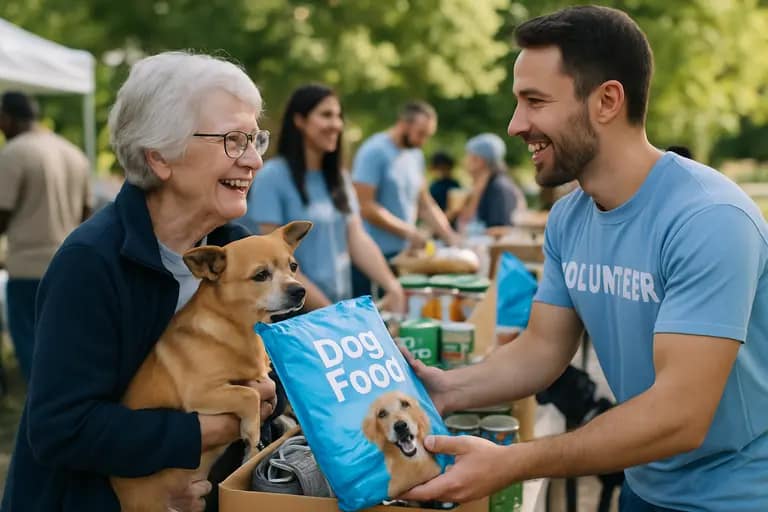
Between shelter intake and adoption, there is a middle space where community help can change everything. Foster homes give animals a quieter setting and give shelters more information about daily behavior. Volunteers provide walks, cleaning, social time, photography, event help, and transport. Donors help cover food, bedding, enrichment, and other supplies.
These roles matter because shelters cannot solve every pressure alone. If spending across the pet sector keeps rising, community care becomes a safety net. A food pantry may help a family keep a beloved pet. A short-term foster may give an owner time to recover from a housing or health crisis. A ride to a vaccine clinic may prevent a surrender. None of these actions are dramatic, but rescue work is often built from quiet, practical kindness.
- Adopters can ask shelters about temperament, known history, expected expenses, and decompression time.
- Fosters can document routines, preferences, and stress signals so matches are more informed.
- Neighbors can support pet food banks, share adoptable animals from official shelter pages, and offer transport help when local groups request it.
- Pet businesses can partner with shelters through donation drives, adoption events, and education that promotes humane care.
Compassion Needs Accuracy
One of the kindest things a community can do is share accurate information. Exaggerated claims may get attention, but they can also damage trust. If a shelter reports intake pressure, use its wording. If a rescue asks for fosters, share the official request. If an animal has special care needs, avoid guessing and encourage adopters to speak with shelter staff and a licensed veterinarian where health questions are involved.
That accuracy protects animals and people. It helps adopters understand what they are agreeing to. It helps shelters place pets more wisely. It also respects the reality that each animal is an individual, not a symbol for a trend.
Pet Industry Growth And Adoption Practices
Pet Industry Growth is not a rescue solution by itself. Higher spending does not automatically empty shelters, and a larger market does not guarantee better outcomes for animals. The difference comes from how communities respond: with adoption-first thinking, honest cost planning, and support for the people doing the daily work.
For adopters, the call is simple but serious: choose with your heart and plan with your head. For shelters, the opportunity is to use public interest in pets to build stronger matches and better post-adoption support. For neighbors, the invitation is open: foster, donate, transport, share accurate posts, or simply encourage someone considering adoption to visit a local shelter.
Every adoption number includes a living animal. Every budget conversation can help keep that animal safe. If we meet growth with responsibility, rescue pets gain more than homes. They gain communities willing to stand beside them after adoption day.