
This guide shows how a modern rescue works. It takes you from when an animal arrives to when it finds a new home.
It’s made for those who want to learn. People like researchers, donors, and the public can see how shelter operations work today.
Each step is important for the animals, the public, and the rescue itself. It makes sure everything runs smoothly and safely.
Shelters are changing. Old, big shelters are becoming smaller, community-focused places.
Places like the Santa Clara County Animal Services Center show this change. They use animal shelter software to manage everything well.
Intake Suite Walkthrough (stray vs owner surrender)
When you walk into a modern rescue facility, you see a big and friendly lobby. This change is part of a bigger shift in shelter operations. Old shelters, like the old Santa Clara shelter, were much smaller. These small spaces made it hard for people and animals to interact and caused stress.
The new intake suite is all about making things smooth from the start. It’s designed to keep things flowing and calm. There are special doors for stray animals and those surrendered by owners. You can see everything through glass partitions, making things clear and open.
Right away, the path for each animal is different. Strays get a “hold” period to see if owners come back. Owner-surrendered animals get a detailed form about their past and behavior. Both get a quick check-up and basic medical care right away.
| Intake Step | Stray Animal Process | Owner Surrender Process |
|---|---|---|
| Initial Contact | Animal is found by public or brought by animal control. | Owner arrives by appointment or walk-in, often distressed. |
| Documentation | Finder information, location, and time of discovery are recorded. | Comprehensive history form: medical records, behavior traits, surrender reason. |
| Legal Hold | Mandatory stray hold period (varies by municipality, often 3-7 days). | No legal hold; ownership is formally transferred to the shelter. |
| Triage & Assessment | Quick health check for visible injuries or illness; photograph for “found” listings. | Preliminary behavior observation; discussion of any known risks or needs. |
| Immediate Care | Placed in isolation/quarantine until hold period ends and full vet exam. | May proceed directly to medical exam or holding kennel based on capacity. |
Design choices help reduce stress. Animals have their own areas to wait, away from others. The floor is safe for pets, and there are quiet materials to block out noise. Owners have private rooms for tough talks.
Getting things right at intake is key for all shelter operations. A kind and efficient start helps with medical care, behavior checks, and finding new homes. This careful approach is at the heart of no-kill shelter operations, making sure every animal gets a fair chance from the start.
Medical Exam and Vaccination Room (breed-specific screenings)
The veterinary clinic is the heart of the facility. It’s where animals get a standard care check. This is key for keeping them healthy and the shelter population balanced.
Medical Exam and Vaccination Room
This area is set up for detailed health checks. A vet or tech does a full exam on each animal. They also give core vaccines to protect against diseases.
Microchipping is done here too. This chip helps find lost pets. It’s a big step in reuniting them with their owners.
New places like Santa Clara have two surgery rooms. This lets vets do surgeries faster and more efficiently.
These rooms are also for spay/neuter surgeries. Santa Clara does free surgeries for community cats. This helps control animal numbers over time.
Breed-Specific Screenings
There are special tests for certain breeds. These breed-specific screenings find health issues early. They help decide if a pet needs special care or housing.
For example, short-nosed dogs get heart and breathing checks. Big dogs might get hip checks. Below is a list of common tests for different breeds.
| Breed Type | Common Health Concern | Standard Screening | Notes |
|---|---|---|---|
| Brachycephalic Breeds (e.g., Bulldogs, Pugs) | Brachycephalic Obstructive Airway Syndrome (BOAS), Cardiac Issues | Respiratory auscultation, Cardiac ultrasound | Early identification informs the need for surgery or special housing. |
| Large/Giant Breeds (e.g., German Shepherds, Great Danes) | Hip and Elbow Dysplasia | Orthopedic palpation, Gait observation | Results guide exercise and pain management plans. |
| Small/Toy Breeds (e.g., Chihuahuas, Toy Poodles) | Luxating Patellas, Dental Disease | Knee manipulation, Oral examination | Dental cleaning may be done before adoption. |
| Herding Breeds (e.g., Border Collies, Australian Shepherds) | Collie Eye Anomaly, MDR1 Drug Sensitivity | Ophthalmic exam, Genetic test review if known | Important for safe medication during shelter stay. |
| Senior Animals (Any Breed) | Renal Disease, Dental Disease, Arthritis | Blood panel, Dental radiographs, Joint palpation | Helps find the right home for older pets. |
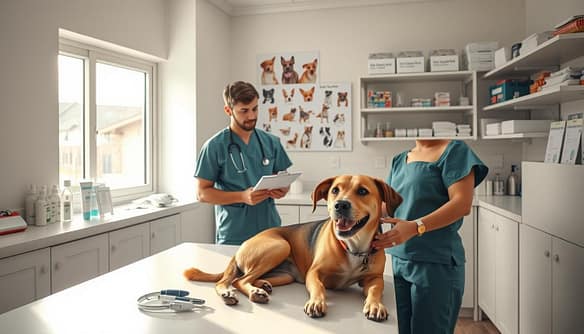
The clinic offers routine care, microchipping, spay/neuter surgeries, and breed-specific tests. This approach protects animals and prepares them for a healthy life. It makes the exam room a key part of their care.
Quarantine/Isolation Protocols (URI, parvo, ringworm)
The new shelter’s design tackles a big problem in disease control. The old Santa Clara facility didn’t have enough space for sick animals. This made it hard to stop outbreaks.
The modern rescue has special housing for sick animals. This is a big improvement.
These special areas are key to keeping animals safe. They have two main jobs. Quarantine is for new animals to be checked. Isolation is for animals that are sick and can spread illness.
This separation is very important to keep all animals healthy.
Quarantine and Isolation Protocols
Rules are strict in these areas. People working there must wear special clothes and shoes. They also have to follow strict cleaning rules.
Animals in these areas are handled last to avoid spreading illness.
URI, parvo, ringworm
Each illness has its own rules. URI is very contagious among cats. So, the air in these areas is cleaned extra well.
Staff must wash their hands a lot when handling animals.
Parvovirus is very tough and can survive outside. So, cleaning is super strict. Everything is disinfected with bleach.
Waste is handled carefully to avoid spreading the virus.
Ringworm is a fungus that needs special care. Isolation stops it from spreading. Treatment includes creams and pills.
Everything touched by sick animals is washed at high heat. The room is also cleaned to kill the fungus.
Having these special areas is a big advantage. It helps treat sick animals and keeps others safe.
Behavior Assessment Spaces (playgroups, fear-free handling)
Getting from a shelter to a new home is a big step. Many dogs face adoption hurdles because of behavior issues. But, with the right help, they can become loving pets.
This help comes in the form of professional assessments. It’s not just about watching them. It’s about a safe, controlled space for evaluation.
Behavior Assessment Spaces
These special areas are part of modern shelters. They’re designed to reduce stress. The goal is to understand each dog’s personality accurately.
This info helps decide who gets to adopt a dog. It also guides training plans. It’s a way to save dogs from being put down due to behavior.
Playgroups test how dogs get along with each other. They’re led by experts. Dogs meet in small groups, based on size and energy.
Staff watch and note important behaviors. This includes:
- Sociability: How they interact with others.
- Play Style: Whether they play nicely or get too rough.
- Arousal Level: How quickly they get excited.
- Conflict Resolution: How they handle minor disagreements with other dogs.
This helps figure out if a dog will get along with other pets. It also shows who needs more social skills training.
Fear-Free Handling
One-on-one sessions use gentle, stress-free methods. The area is quiet. Staff use positive methods, not force.
Assessors check how dogs react to different things. This includes touching their paws, ears, and mouth. They also test reactions to new objects and sounds.
They look for signs of fear or anxiety. This info helps new owners help their pets feel safe. It’s all about helping pets feel secure in their new homes.
| Behavior Metric | Primary Assessment Method | Typical Data Recorded | Informs Decision |
|---|---|---|---|
| Fear/Anxiety | Fear-Free Handling Session | Body language score, trigger identification | Home environment needs, training plan |
| Resource Guarding | Controlled Food & Toy Tests | Intensity of reaction, recovery time | Adopter education requirements |
| Dog Sociability | Structured Playgroup | Play initiations, appropriate corrections | Multi-pet household suitability |
| Arousal Threshold | Playgroup & Simulated Excitement | Barking/jumping frequency, calm-down time | Activity level match for adopter lifestyle |
The behavior profile is a key tool. It helps match dogs with the right owners. It also supports them after adoption.
This approach boosts adoption success. It gives dogs a second chance at a happy home.
Species/Breed Housing Areas
Modern rescue facilities now have different housing areas for different animals. This includes special spaces for brachycephalic dogs, high-energy breeds, and small animals. This approach is key to running effective shelter operations.
Places like the Santa Clara location have a design that makes it easy for visitors to move around. Dog kennels are set up around a central park. There are also separate areas for cats and livestock.

Species/Breed Housing Areas
Animals are moved out of traditional cages and into better environments. This change helps their well-being and makes them more appealing to adopters.
Brachycephalic Breed Cooling
Breeds like Bulldogs and Pugs need special care because of their short noses. Traditional kennels can be risky for them. Modern facilities have climate-controlled kennels with better air and cool floors.
These features help prevent heat stress and keep these animals safe.
Husky and High-Energy Breed Enrichment
High-energy breeds like Siberian Huskies need active and stimulating spaces. Their kennels have dig pits and cooling mats. These features help manage their energy and prevent stress.
Interactive structures in the kennel allow for safe play. This is important for their mental health in a shelter setting.
Rabbit and Small Animal Housing
Rabbits and small pets need special housing that lets them behave naturally. Their enclosures have space for hiding and climbing. These areas are safe from predators to reduce stress.
Proper housing for small animals is a key part of shelter operations. It’s often overlooked but very important.
Cat housing often includes free-roam rooms for them to interact and climb. For larger animals, barns or outdoor paddocks are used. Each space is designed to reduce stress and show the animal in a natural state.
These tailored housing strategies improve animal welfare. Healthier animals have better outcomes and stay in shelters for shorter times. This shows the importance of specialized housing in modern animal shelters.
Adoption Counseling Desks and Data Systems
Modern rescue operations end with a key interview process and data systems. This stage is vital for successful placements. For example, the Santa Clara animal center has seen a big jump in adoptions. They’ve found homes for about 500 more cats and 100 more dogs each year.
They attribute this success to a welcoming facility and a better final adoption process. This shows how important a good system is for finding forever homes.
Adoption counseling happens at special desks or quiet rooms near the animals. This setup helps adopters stay close to the pets they’ve seen. It also creates a calm space for important talks.
The counselor needs access to detailed animal data. They use shelter management systems to get this information. This way, they can see the animal’s medical history, vaccination records, and behavior notes.
This information helps make informed and responsible matchmaking.
The adoption counseling interview is a structured talk. The counselor asks about the adopter’s lifestyle and pet experience. They match this with the animal’s needs and personality. This careful approach ensures a good match for both the animal and the adopter.
The shift to digital systems has changed this final step. The table below shows the differences between old and new systems.
| Feature | Traditional System | Modern Integrated System |
|---|---|---|
| Data Access | Paper files, separate medical and behavior logs. Information is often fragmented. | Unified digital profile. Real-time access to full history from intake to present. |
| Matchmaking Process | Relies heavily on counselor memory and subjective impression of the animal. | Data-driven. Uses documented traits and history to objectively compare with adopter questionnaire results. |
| Counselor Tools | Basic application forms; limited historical context. | Interactive checklists, visual timelines of animal progress, and alerts for special needs. |
| Outcome Metric | Simple adoption count. | Tracks post-adoption success, return reasons, and long-term match compatibility. |
This structured, data-informed approach is the final quality check. It ensures animals go to homes ready for them. This leads to more permanent placements and fewer returns. It turns adoption into a thoughtful, responsible choice.
Post-Adoption Follow-Up and Returns Management
To stop animals from returning to shelters, modern rescues offer support after adoption. They provide resources beyond the adoption day. Their goal is to strengthen the bond between humans and animals and solve problems before they return.
Follow-up starts within a week. A phone call or email checks on the animal’s adjustment. This first contact opens a channel for ongoing adoption counseling.
Support goes beyond one contact. Many organizations give adopters many resources. They include a behavioral helpline and digital libraries with training guides.
This approach tackles common post-adoption challenges. Issues like house-training or leash reactivity can be solved with timely guidance. This prevents small problems from becoming reasons for surrender.
The table below shows common post-adoption follow-up used by leading rescues.
| Intervention Type | Typical Timing Post-Adoption | Primary Goal |
|---|---|---|
| Scheduled Phone Check-in | 48-72 hours | Assess initial adjustment, answer immediate questions |
| Email Support & Resource Pack | Day 1, then weekly for first month | Provide written guides and reinforce training concepts |
| Behavioral Helpline Access | Available for 30-90 days | Offer expert guidance for specific behavioral issues |
| Follow-up Veterinary Reminder | 2-4 weeks | Ensure medical continuity and wellness exam scheduling |
When an adoption fails, a formal returns process starts. This process views the return as valuable data, not a failure. Staff conduct a detailed exit interview with the adopter.
The interview gathers specific information on why the adoption failed. Was it a behavioral mismatch, a lifestyle change, or an unforeseen allergy? This data helps improve future matchmaking decisions and identifies gaps in pre-adoption adoption counseling.
ThPawe return process is designed to be a safety net. It ensures the animal can return without judgment. This policy removes a significant barrier for adopters facing difficult decisions. It keeps the animal’s welfare as the top priority.
By analyzing return trends, organizations can refine their operations. If a specific breed frequently returns for a particular reason, intake protocols can be adjusted. Perhaps more detailed education is needed during the adoption counseling for that breed. This data-driven cycle continuously improves placement success rates.
These post-adoption systems serve two purposes. They provide direct support to adopters, fostering successful long-term placements. They also generate insights that make the entire rescue operation more effective. This structured approach is essential for breaking the cycle of return and rehoming.
How Volunteers and Fosters Fit In
Today’s animal rescue teams include community members through volunteer and foster programs. These people are key to daily shelter operations. They help care for more animals and improve their lives.
Volunteers do important work in many areas. They help animals in housing, medical care, and even at the front desk. This lets paid staff do more complex tasks.
Foster care is a big help to shelters. It gives animals a temporary home when they can’t stay in the shelter. This includes young animals, those recovering, and stressed animals. A strong foster network means more space and care for animals.
Training is key for volunteers and foster families. Modern shelters have rooms for education and training. These sessions teach how to care for animals and report data. The old Santa Clara shelter shows how important volunteers and rescue groups are.
Volunteers and foster families make shelters better. They help care for more animals and give them the attention they need. This way, shelters become stronger and more effective in helping animals.
Virtual Tour Map and Checklists for Researchers
The journey through a modern animal rescue is like a clear, circular path. The Santa Clara facility, designed by Dreyfuss + Blackford Architecture, shows this. Its layout guides visitors through every animal and process.
This virtual map shows an animal’s journey from start to adoption. It’s a blueprint for efficient shelter work. Researchers and professionals can use checklists to check key performance points at each stage.
The intake stage checklist looks at how well animals are processed and categorized. The medical area checklist checks vaccination rates and breed-specific screening. Quarantine protocols track diseases like URI and parvo.
Behavior assessment outcomes show how well playgroups and fear-free handling work. Adoption success rates and post-adoption return rates are key. Collecting data at each step helps improve continuously.
Good facility design and careful data collection define modern shelter work. This approach ensures animal welfare and efficiency. It makes the system clear and accountable from start to finish.