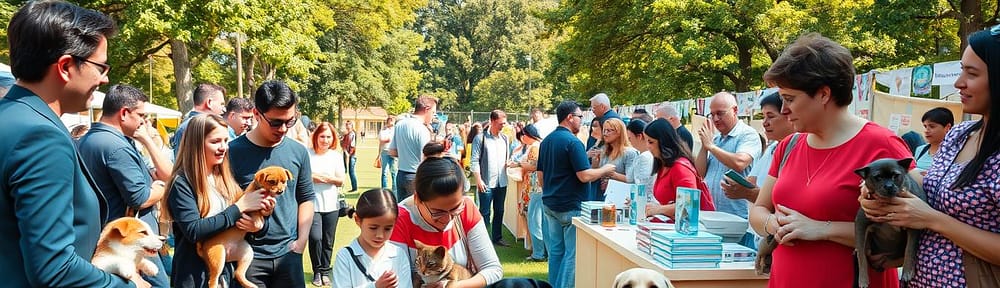
Let’s face it, we all wish for a world where kindness alone keeps animals safe. It’s a beautiful dream. But, it’s not enough to keep shelters open.
We need to wake up from this dream. The real mission is not just about feeling good. It’s about combining passion with the need to pay bills.
This isn’t about feeling guilty. It’s about seeing things clearly. The best charities treat their work as a business, not just a moral duty. They know donations come from hard work, not just good feelings.
This is your wake-up call for animal welfare. Viewing fundraising as a constant effort, not a chore, is key. We’re building a lasting way to help animals, not just hoping for luck.
Proven Fundraiser Types
If animal shelter fundraising were a kitchen, you wouldn’t survive on just salt. You need a whole spice rack of strategies. It’s not about finding one magic bullet. It’s about building a diverse portfolio that can handle any economic season.
Think of it this way. You need the reliable, savory base notes—the garlic and onions of your operation. Then, you layer in complex flavors for sustained energy. And, you add the occasional chili flake: that wildly creative idea that goes viral. Let’s build your spice rack.

The classic playbook, our foundational pantry, is full of proven staples. Think direct mail appeal letters and telethons. These are your protein. They connect deeply with an established, loyal donor base.
Then you have the community classics: the bake sale, the car wash, the silent auction. The humble bake sale is the garage band of fundraisers. It’s scrappy, community-focused, and reliably delivers. Pursuing a major bequest or legacy gift? That’s your symphony orchestra. It requires a different skill set and a long-term score.
But a diet of only protein gets boring. This is where the zeitgeist spices things up. Modern animal shelter fundraising leverages technology and taps into contemporary culture.
Crowdfunding platforms can turn a single, compelling rescue story into a viral sensation. A “Sponsor an Animal” program provides ongoing, emotional engagement. Partner with a local tattoo artist for a “flash day.” Every new paw print inked means funds for real paws.
Even commerce gets a conscience. “Shop-for-good” events with brands like Kendra Scott let supporters buy a beautiful necklace and feel good about where a portion of the sale goes. It’s analytical curation meets mad scientist experimentation.
| Fundraiser Type | Category | Core Appeal & Vibe |
|---|---|---|
| Direct Mail Appeals / Telethons | Classic (Protein) | Deep, personal connection with existing supporters. The reliable workhorse. |
| Bake Sale / Car Wash | Classic (Community Carbs) | Scrappy, local, and builds visible community spirit. The garage band. |
| Crowdfunding Campaign | Modern (Espresso Shot) | High-energy, story-driven, and taps into viral. The viral tweet. |
| Sponsor an Animal Program | Modern (Complex Carbs) | Creates sustained, emotional investment. The monthly subscription to a cause. |
| Tattoo Fundraiser Flash Day | Modern (Chili Flake) | Edgy, memorable, and merges subculture with cause. The pop-up collaboration. |
The smartest strategy blends columns from that table. Use the steady bassline of classic donor appeals to fund operations. Let the catchy chorus of merchandise and shop-for-good events support your local shelter beyond. Then, once a year, launch your guitar solo: a special event so creative it gets people talking.
Your goal isn’t to pick a side between the bake sale and the blockchain donation page. It’s to have both in your toolkit. Because when winter comes for your budget, you’ll be glad you stocked the entire pantry.
Virtual vs. In-Person Ideas
Welcome to the debate of modern giving: the digital world versus face-to-face connections. Every charity today must choose how to build community. Do you connect online or in person? It’s a choice between the digital dream and the real-world impact.
Virtual fundraising is all about efficiency and reach. It’s low cost, global, and perfect for busy donors. Source 2 shows how crowdfunding, online workshops, and photo contests can make a difference.
Imagine turning your Instagram into a gallery of giving with a pet photo contest. Source 3 suggests using Valentine’s Day e-cards to spread love and collect donations easily.
The value of virtual efforts isn’t just in money. It’s in the impressions, shares, and global support that digital platforms offer.
In-person events, on the other hand, create real connections. They’re about the smell of wet dogs, the joy of pet talent shows, and the fun of trivia nights.
Source 2 mentions pet-friendly yoga-thons and community dinners as great examples. Source 3 talks about dine-and-donate events at places like Panera. These events offer a personal touch and build local support.
So, how do you decide? Do you want broad awareness or loyal community support? Let’s look at the evidence, not just the money.
| Feature | Virtual Fundraising | In-Person Fundraising | Hybrid Example |
|---|---|---|---|
| Core Concept | Digital-first campaigns (e.g., crowdfunding, online contests) | Physical community events (e.g., yoga-thons, trivia nights) | Valentine’s Day e-cards promoting a local adoption day |
| Typical Reach | Broad, even global. Limited only by internet access. | Local or regional. Defined by venue capacity and travel. | Local core with digital amplification to a wider audience. |
| Engagement Depth | Often transactional but scalable. Lower-touch. | High-touch and relational. Builds strong bonds. | Moderate. Offers both a personal touch and digital convenience. |
| Overhead Cost | Generally low. Platform fees and marketing. | Higher. Venue, permits, food, staffing, insurance. | Moderate. Combines digital tools with some physical logistics. |
| Ideal For | Rapid funds for specific projects, national charity brands. | Building local donor loyalty, community-centric organizations. | Maximizing both participation and storytelling reach. |
The table is more than a comparison. It’s a tool to help you decide. A virtual workshop might be cheap but lacks the emotional impact of a live event. A big gala dinner creates goodwill but can’t match the reach of social media.
This isn’t about choosing sides. It’s about using your resources wisely. A small animal shelter might find its niche in local events. These events build a community that supports the shelter year-round.
A national charity might use a mix of strategies. They could fundraise online and host events in key cities. The best organizations are already combining both.
They send funny Valentine’s e-cards with QR codes for local events. They live-stream events for online viewers who can donate instantly.
The real question is, what mix of digital and personal will help your mission? Look at your donors, your resources, and what you can handle. Be honest about your needs.
The best charity today is like a media company. It creates live events and digital content. Both are key to telling its story.
Tips for Success
The difference between a good and successful fundraising idea lies in logistics, psychology, and boldness. Moving from a good idea to a successful one requires hard work. Anyone can plan a gala, but a true leader makes it happen.
Your most powerful tool is the appeal. Your fundraising letter should be engaging, like a novel. People give to save a specific animal, not just to help out.
Use pictures that touch the heart and tell a story. Make sure your ask is clear, urgent, and easy to fulfill. For example, “Help us raise $200 for Bruno’s leg surgery by Friday” works better than “Support our medical fund.”
Who are you asking? If your list is empty, it’s time to get out there. Use clipboards and courage to build your list. Ask people if they want updates on the pets you’re helping.
Planning a fundraiser needs precision. Create a detailed timeline to guide you. Don’t wing it.
- 12 Weeks Out: Secure venue, set budget, assemble committee.
- 8 Weeks Out: Finalize sponsors, launch ticket sales, design materials.
- 2 Weeks Out: Confirm all vendors, send media alerts, brief volunteers.
- Day Of: Execute. Delegate. Breathe.
This timeline is not just a suggestion. It’s a framework to follow. The glamour is for the guests, but the hard work is for you.

Look beyond single events. Learn about grant writing and major gifts for bigger funding. Grants need a strong case, while major gifts are about building relationships. Do your homework and present a clear case for impact.
In conclusion, successful animal shelter fundraising is about hard work and a compelling story. Plan well, ask clearly, and always focus on the animals.
Case Studies
Forget the fancy brochures. The real story of charity is in the messy, coffee-stained forums. There, rescue organizers share their real-life experiences. Theory is nice, but it’s the messy practice that truly shines.
Our first example is a great lesson in mixing cultures. A local animal rescue teamed up with a tattoo artist for “Paws for a Cause.” People could get a tattoo or try out temporary ones. This turned tattoos into a way to help animals.
This event was a hit because it combined a local business with a fun event. It made people think about their tattoos in a new way. It was a win-win for everyone involved.
Next up is the dine-and-donate idea. Places like Panera Bread or Panda Express donate a part of their sales on certain nights. It’s easy for the organizers and fun for everyone else. It turns eating out into a way to help animals.
But does it really bring in new donors? Think about Scentsy parties or Lily Pulitzer tote bag fundraisers. They use special codes to donate to charity. But, do they really attract new people, or just reward the ones who already support you?
Lastly, there’s the digital micro-donation. A Valentine’s Day e-card campaign is a great example. For a small fee, you can send a cute e-card that helps animals. It’s cheap, easy, and adds a personal touch to your holiday greetings.
Each story shows how creativity meets practicality. We’ve broken down these examples to help you learn from them.
| Fundraiser Type | Creative Hook | Logistics Simplified | Key Takeaway |
|---|---|---|---|
| Tattoo Fundraiser | Transforms personal expression (body art) into public philanthropy. | Local artist handles execution; temporary option lowers barrier to entry. | Partner with culturally relevant vendors to create a unique, high-engagement charity event. |
| Dine-and-Donate | Makes routine dining a conscious act of support. | Restaurant handles transactions; organization focuses solely on promotion. | Leverage established consumer habits for passive, community-building fundraising. |
| Affiliate/Shop-for-Good | Adds altruism to regular shopping (Scentsy, Lily Pulitzer). | Platform tracks sales and disburses funds automatically via code. | Best for monetizing existing supporter loyalty, not necessarily acquiring new donors. |
| Digital Micro-Donation | Digitizes a classic gesture (holiday card) for instant, scalable giving. | No physical goods; automated delivery after purchase. | Low price + high volume + emotional hook (e.g., Valentine’s Day) = potent digital charity formula. |
The key takeaway? Successful charity isn’t about being new. It’s about using what already exists. It’s about giving a new twist to old habits. That’s the secret from the front lines.
Getting Started
The plan is set. The case studies are studied. Now, it’s time to start. This is where most big ideas get stuck.
First, gather a team, not a big organization. You need a fundraising committee with volunteers, staff, and board members. They’ll help answer key questions. Who cares about your cause? How do you reach them? What’s your story?
Creating a plan is about building a system, not just writing a document. Good animal shelter fundraising targets different donor groups. It uses letters, events, and grants. Resources from Best Friends can guide you.
Your first plan will likely be wrong. That’s okay. Starting is about asking, learning, and changing. Aim to build a charity that’s not just caring, but also smart and lasting. Start getting feedback now.