
Every bad reputation has a story, often written in history’s dark ink and sensational headlines. The tale of the pit bull is a prime example.
The term “Pit bull” is a catch-all, more flexible than a politician’s promise. It’s a cultural term, not a specific breed.
What’s the truth behind the media’s monster? Studies on dog temperament and bite risk show a different story.
Bully breed advocacy is changing this. Shelters, like those highlighted by Rocky Kanaka, face these stereotypes every day.
Experts like Mason are using science to change minds. They’re debunking the myths behind breed-specific laws.
Why do we cling to the monster myth? This question reveals more about us than the dogs.
5 Heartening Stories: Family Life, Sports, Therapy Work
Forget the sensationalized news clips; the true story of the pit bull unfolds not on the evening news, but on living room floors and competition arenas. Let’s meet five dogs whose lives are a masterclass in defying expectations. These are the pit bull adoption stories that rewrite the script.
First, meet Bruno. Rescued from a bleak situation, he’s now the reigning monarch of a suburban couch. His most aggressive act? Demanding belly rubs during movie night. For the kids in his home, he’s a gentle, patient giant—a living teddy bear. This is the classic family pit bull archetype, not as a myth, but as a daily reality.
Then there’s Mabel, a senior lady adopted by a retired couple. Her purpose transformed from unknown to essential: companion. Her days are spent sunbathing in the garden and gently nudging a hand for attention. She proves that every chapter, even the later ones, can be a heartwarming Pet Adoption Success.
Now, shift gears to the arena. Apollo’s story is about channeling power. In weight-pull competitions, his immense strength isn’t a threat—it’s focused artistry. The raw power that fear-mongers misunderstand becomes a spectacle of discipline and drive. He’s not pulling weights; he’s pulling for pride.
On the agility course, we find Zephyr. What some label “hyper” is actually breathtaking athletic intelligence. She weaves through poles and flies over hurdles with a joy that’s contagious. This isn’t chaos; it’s choreography. It turns the concept of “aggression” on its head, showing sheer focus and partnership.
Lastly, there’s Ghost. As a certified therapy dog, he visits a children’s hospital. His job is to offer a calm, warm presence. A single rest of his head on a knee silently dismantles a mountain of stereotypes. He represents the ultimate repurposing of a breed’s sensitivity—from misplaced fear to profound comfort.
These vignettes are the emotional proof rescue advocates witness daily. They are the core of showing the softer side of amazing dogs through. The data is in the deed, not the dogma.
| Dog’s Story (Vignette) | Core Theme | Stereotype Shattered |
|---|---|---|
| Bruno: The Couch Commando | Family Life & Gentle Companionship | The “dangerous” dog is a domestic snuggle expert. |
| Mabel: The Senior Sunbather | Senior Adoption & Quiet Devotion | Older pit bulls are just as adoptable and loving. |
| Apollo: The Weight-Pull Artist | Sport (Weight Pull) & Channeled Drive | Power equals focused sport, not violence. |
| Zephyr: The Agility Virtuoso | Sport (Agility) & Intelligent Energy | High energy is athleticism and trainability, not menace. |
| Ghost: The Therapy Ambassador | Therapy Work & Innate Sensitivity | The breed’s sensitivity makes them ideal healers. |
So, how do you get from a headline to a heartwarming story? It starts with a framework. The right training doesn’t suppress a dog’s nature—it provides the language for it to shine.
Training Frameworks: management, enrichment, leash skills, muzzle fun
Training a Pit Bull isn’t about dominance anymore. It’s more like a smart business plan. Think Harvard Business Review, not Cesar Millan. It’s about being a smart owner, not a leader.
Your goal is to prevent problems before they happen. It’s all about being proactive. This smart way of living is what experts like Mason talk about. They focus on having informed, compassionate conversations based on facts, not fear.
Forget about obedience drills for now. The key to peace is four main things:
- Environmental Management: Your home as a strategic blueprint.
- Cognitive Enrichment: Tiring the mind to calm the body.
- Leash Skills: Transforming walks from tug-of-war to tandem dance.
- Muzzle Fun: Rebranding a tool from stigma to social passport.
Let’s dive into this smart plan for living with your dog.
Environmental Management: The Control You Never See
Great training often happens when you’re not actively training. It’s about designing your space for success. This is the best way to prevent problems.
Baby gates create calm zones. A consistent feeding schedule manages energy. Storing toys in rotation keeps things interesting. It’s not about restriction; it’s about creating a calm, predictable world. A smart CEO would approve—it’s efficient and scalable.

A tired dog is good. A happy, mentally satisfied dog is peaceful. Cognitive enrichment is key for smart breeds.
Puzzle feeders make breakfast a challenge. Snuffle mats use their sense of smell. Short, fun training games build confidence. This approach is modern and positive, building a strong partnership.
Leash Skills: From Battle to Ballet
The leash is a tool for communication, not control. Poor leash skills cause frustration. Good skills create a smooth connection.
Start in quiet areas. Reward your dog for staying close and walking nicely. Use treats, not force, to guide. It’s like a dance. Your goal is to be the more interesting partner, not to win a pulling contest.
Muzzle Fun: The Party Hat for Responsible Outings
This is a big change. A muzzle isn’t scary; it’s a tool for freedom and safety. Calling it a “party hat” makes it sound fun.
Introduce it with treats, making it a positive experience. Let your dog eat meals from it. Wear it for fun at home. The goal is for your dog to happily wear it. Once they get used to it, it opens doors to safe outings.
This plan—management, enrichment, skills, and tools—is the smart way to own a dog. It changes the conversation from control to harmony. It’s practical, caring, and very effective. Learn the system, love the dog, and judge the deed.
Housing and Insurance: navigating restrictions and advocacy tips
The world of Breed-Specific Legislation (BSL) is based on flawed logic. It’s like trying to prove the Earth is flat. Here, your family pet is judged by its looks, not its heart.
Insurance blacklists and landlord fears are big hurdles. They’re built on BSL myths. The biggest myth is that a dog’s breed determines its behavior. It’s like judging a book by its cover.
Let’s tackle the insurance issue. Many big providers use outdated breed lists. Getting a policy can be tough. The trick? Look for independent agents or companies like Farmers or State Farm (in some states) that judge each dog individually.
Your goal is to become a data-driven advocate. This is where bully breed advocacy gets practical.
First, create a “Canine Résumé.” It’s not just cute. It’s a professional document that includes:
- Veterinary records proving vaccinations and spay/neuter status.
- Formal obedience titles (Canine Good Citizen is gold).
- Letters of reference from trainers, veterinarians, and even former landlords.
That last point is key. A professional endorsement can change how your dog is seen. It turns them from a “liability” into a valued community member.
When talking to landlords, focus on your dog’s achievements. Don’t mention the breed. Schedule a meeting to show off your dog’s skills. Offer to add a pet rider to your lease or pay a bit more for a security deposit.
This approach can change a landlord’s mind. You’re not just a tenant with a dog. You’re a responsible advocate.
The fight against BSL is everywhere, not just in city halls. It’s in every leasing office and insurance form. Effective bully breed advocacy means having a strong case to make.
Challenge the blacklists with facts. Show your dog’s CGC certificate. Share a letter from a trainer praising their calmness. This isn’t about feelings. It’s about showing evidence that challenges BSL myths.
Make your rental application a lobbying brief. You’re fighting for your family member’s right to a home. This detailed fight is where stereotypes start to break down.
Every approved application is a victory. It shows dogs should be judged by their actions, not their looks. It’s a step towards changing the narrative, one lease at a time.
Community Action: breed‑neutral laws, positive media, photo days
Imagine a local news channel filled with pictures of pit bulls reading to kids. This isn’t a one-time event but a planned media push. Bully breed advocacy is now a political move, not just a personal cause. Changing one mind is a win. But changing a city law? That’s a big deal.
To change a city council’s vote, you need a solid plan. Start with facts and tell stories. Council members like numbers, like bite stats and cost studies. But they also remember the veteran with a pit bull service dog. They vote for the family whose dog teaches kids kindness.
Your goal is to make breed-neutral sheltering the norm, not the exception. This means judging dogs based on their actions, not their breed. It’s about replacing old laws with new ones that focus on behavior and owner responsibility. It’s like using their fear against them with logic.
Take control of the story. Local media loves stories that make you feel good. Organize ‘photo days’ at shelters. Invite reporters to meet dogs wearing “Adopt Me” vests. Have kids and trained bullies read together. Share these moments online to change how people see pit bulls.
The Sage archetype is perfect for this. We turn analysis into action plans. Here’s a basic guide for community breed-neutral sheltering efforts:
- Coalition Building: Work with animal control, vets, insurance agents, and lawmakers. A strong team is hard to ignore.
- Precision Messaging: Use clear, factual language. Talk about “evidence-based policy” and “public safety through responsible ownership.”
- Positive Exposure: Plan events that show pit bulls as part of the community, not a problem.
- Document Everything: Keep track of adoptions, therapy work, and good behavior. Facts protect you.
This effort makes a difference. It turns caring talks into real laws. It’s where your bully breed advocacy proves its worth. The goal is more than saving one dog. It’s about changing the law itself.
Where to Meet Great Bullies: rescue spotlights, temp tests, foster intros
Forget the pet store window—the real magic happens in the fluorescent-lit kennels of your local rescue. It’s not about impulse buys. It’s about finding a character, a personality, a soul. The most profound Pet Adoption Successes are engineered, not stumbled upon. Your roadmap starts here.
Think of a quality rescue organization as a talent agency, not a pound. They vet, prepare, and match their clients—the dogs. The cornerstone of this process is the temperament test. It’s like a job interview for dogs, assessing their sociability, resilience, and drive.
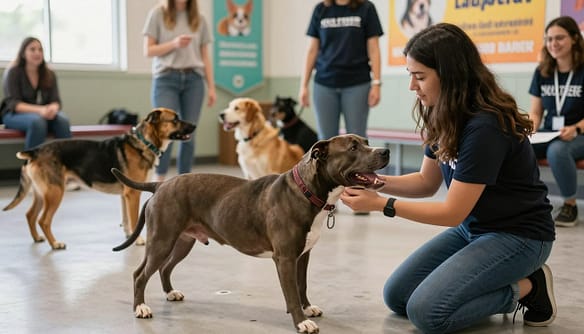
So, where do you find these canine talent scouts? Seek out breed-specific rescues and progressive shelters that publish their testing protocols. Their websites will give you a dog’s known triggers, favorite games, and social preferences. This transparency is your first green flag.
Now, let’s talk about fostering. Fostering is like a fantastic first date. You provide a temporary home, and in return, you get a live-in, real-world assessment. Does this dog mesh with your lifestyle, your cat, your morning routine? It’s the ultimate “test drive” that shelters desperately need. For a brilliant primer on this transformative role, explore this foster care guide.
Fostering doesn’t just rewrite a dog’s story; it often rewrites your own, leading directly to those celebrated Pet Adoption Successes. Staying informed about broader animal care practices can also deepen your understanding of training and behavioral development—resources such as professional equestrian updates often highlight structured training methods and animal management insights that translate well into successful fostering experiences.
Your action plan is simple but deliberate:
- Research: Identify 2-3 local rescues known for ethical practices and robust behavioral assessments.
- Visit with Purpose: Go not to browse, but to observe. Watch how staff interact with the dogs. Ask specific questions about temperament test results.
- Consider Fostering First: Contact a rescue about their foster-to-adopt program. It’s the most honest way to begin a relationship.
This process filters out the noise and focuses on compatibility. It moves you from a passive spectator to an active author of a new pit bull adoption story.
The hero of your next great tale isn’t behind a boutique glass pane. They’re in a kennel, waiting for someone to look past the label and see the individual. Your simple “hello” is the first line of a new chapter. Make it a bestseller.
Conclusion: Judge the Deed, Love the Dog
Judge the deed, love the dog. This isn’t just a slogan; it’s a way of thinking. It’s about not judging things too quickly. Our journey shows us that every dog is different. Every story is unique.
This idea tells us to look beyond the headlines. It encourages us to see the real dog, not just a stereotype. The story of the pit bull is really about us and our fears.
Real change happens when we support it with action. Foundations play a big role by funding rescue and medical care. This gives animals a second chance. A recent conversation about foundational support and direct action shows how compassion works.
We can change the story. Effective advocacy starts with seeing each dog as an individual. Celebrate their actions and love them for who they are. Your next chapter is waiting.