
Managing outdoor, or “community,” cat populations is a big challenge. Cities and animal groups now use a humane approach called TNVR (Trap-Neuter-Vaccinate-Return) or TNR (Trap-Neuter-Return).
This method involves catching cats humanely, checking them at the vet, spaying or neutering, vaccinating, and ear-tipping for ID. Then, they go back to their outdoor home. It’s a sustainable alternative to old trap-and-kill methods.
Many cats live happily outdoors. But some get a chance to live indoors. Their move from outdoor life to indoor pet is a unique pet adoption success.
Success in these programs needs understanding of legal and advocacy issues. Data shows these efforts can greatly reduce cat colonies. For example, colony reduction data shows decreases over 99% in some cases. This sets the stage for looking at individual stories of transition.
4 Stories: from colony life to indoor companions
The journey from living outdoors to being an indoor pet is marked by clear stages of healing and behavior change. Real-life stories show how this change happens, turning ideas into proven facts.
One key example is Coeur de Pirate, a cat rescued from a city alley. He had been living in a colony for years, facing big challenges. He was very thin and had a bad eye injury that needed surgery right away.
Doctors followed a set plan to help him. They fixed his eye and shaved his fur for treatment. This first step helped him get better and move to a safe place to live.
In his new home, Coeur de Pirate showed big changes. At first, he was scared and didn’t know what was happening. But then, he started to explore safely, play with toys, and even want to be close to people.
His story shows how socialized street cats can become happy indoor pets. It took careful medical help, a safe place to live, and time to get used to his new environment.
Coeur de Pirate’s story is just one of many success stories that prove this method works. Each story adds to the evidence, showing that with the right help, street cats can find a loving home.
Socialization Playbook: kittens vs adults, feeder/foster teamwork
The journey from colony life to domestic comfort is based on a detailed socialization plan. This plan changes a lot between kittens and adults. It’s a careful operation, not something that happens by chance. Success comes from using the right method for each group and working well together.
Being patient and careful is key. The goal is to gain trust by letting the cat decide the pace. We use routine and positive feedback as our main tools. Here’s a guide on the different ways to approach it.
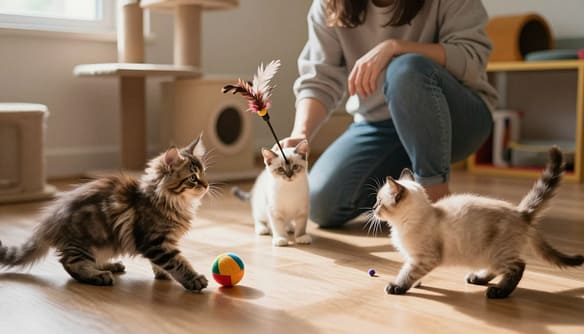
kittens vs adults
It’s harder to socialize a feral adult cat than a stray or kitten. Adult cats have strong survival instincts from years of being alone. Kittens, under eight weeks, have a short window to bond with humans.
For adult cats, it takes months, not weeks. It starts outside with a strict feeding schedule. The caregiver slowly moves closer to the food over time. Talking calmly during meals helps the cat associate the human voice with safety.
Once indoors, a safe space is vital. A room or cage provides boundaries. First, introduce scents and let the cat watch routines from a distance. Then, let it explore.
Kitten socialization is faster. The environment must be safe and fun. Handling kittens gently, with play and treats, is essential. They learn social skills through play and interaction with humans and other kittens.
feeder/foster teamwork
Transitioning from outdoors to indoors needs teamwork between the feeder and foster. This partnership is essential for success.
The feeder’s role is to build trust outdoors. Their tasks are critical and urgent:
- Keep a regular feeding schedule to create routine.
- Watch the cat’s health and behavior for any signs of trouble.
- Start to get the cat used to being closer during feedings.
- Share all observations with the foster team before bringing the cat inside.
The foster caregiver handles the indoor phase. They manage the environment carefully:
- Prepare a safe, quiet space (like a bathroom or crate).
- Ensure the cat has food, water, and litter easily accessible.
- Introduce the cat to the caregiver’s scent and voice first. Then, to brief visual contact, and eventually to gentle interaction.
- Keep a daily record of progress and challenges, sharing with the feeder.
Good communication between the feeder and foster is key. Sharing details about the cat’s outdoor life, food likes, and fears helps the foster tailor the indoor approach. This prevents setbacks and builds trust.
Health Considerations: FIV/FeLV, vaccines, parasite control
Veterinary care is key in TNVR procedures. It looks at both the cat’s health and public health. Community cat programs have strict health rules. These rules help manage the cat population responsibly.
Every cat gets core vaccinations during TNVR. This includes rabies and FVRCP. FVRCP fights off feline viral rhinotracheitis, calicivirus, and panleukopenia.
Rabies vaccination is a must in many places. It’s a big public health win. The CDC says pet vaccination has cut down human rabies cases in the U.S.
Toxoplasmosis is another health concern. But, basic hygiene by caretakers keeps risks low. Vaccination and care turn colonies into stable community assets.
A wellness exam is done while the cat is under anesthesia. It checks for injuries, dental disease, and overall health. This is a key part of the process.
Testing for FIV and FeLV needs careful thought. These viruses spread through deep bites and close contact. Testing every cat might not be the best use of resources.
Many programs test cats showing symptoms or those up for adoption. A positive test doesn’t mean a cat will die soon. Many positive cats live long, healthy lives in managed colonies.
Introducing a positive cat to a home needs careful planning. It should be the only cat or live with other positives. Knowing how viruses spread helps make good placement choices.
Parasite control is a must in veterinary care. Internal parasites like roundworms and hookworms get treated with dewormers. External parasites like fleas, ticks, and ear mites are controlled too.
This single treatment gives immediate relief. It also stops environmental contamination. Keeping parasites under control helps the colony and the area stay healthy.
| Protocol | Primary Purpose | Recommended Frequency | Key Notes |
|---|---|---|---|
| Rabies Vaccination | Public health protection & legal compliance | Every 1-3 years (per vaccine label) | Essential for all cats; often required by law. |
| FVRCP Vaccination | Prevent upper respiratory & panleukopenia | Initial dose during TNVR; boosters if adopted | Core vaccine for disease prevention in colonies. |
| Deworming | Eliminate internal parasites (roundworms, hookworms) | Single dose at time of neuter | Uses broad-spectrum anthelmintics. |
| Flea/Tick Control | Eliminate external parasites & prevent infestation | Single topical application at time of neuter | Improves individual comfort and community hygiene. |
| FIV/FeLV Testing | Inform management & placement decisions | Situational (symptomatic cats or adoption candidates) | Not always required for return-to-field; critical for socialization. |
These veterinary steps are the standard of care. They are the foundation for any community cat program. Following these rules shows a commitment to animal welfare based on science.
This approach helps prevent disease spread. It also protects caretakers and the public. These health measures turn good intentions into lasting, effective actions.
Building Bridges: neighbor mediation, caretakers, shelter partnerships
Turning conflicts into cooperation is key for cat welfare. Community cat projects need to manage three main areas: neighbors, field workers, and shelters. A good plan and clear communication can make this happen.
Starting with neighbor mediation is important. Issues like yowling and fighting can upset people. But, showing how Trap-Neuter-Vaccinate-Return (TNVR) programs work can change minds. For example, TNVR can cut down nuisance complaints by 98%.
Good mediators share facts about TNVR. They explain how it reduces problems. This makes people understand and might even help.
Next, we need to define the role of colony caregivers. They are the ones who care for cats every day. It’s important to make their role clear and protect them legally. This way, they are not seen as owners but as caretakers.
Supporting colony caregivers is key. They need training, resources, and legal advice. Having clear rules helps them do their job well. It makes caring for cats a professional task.
Lastly, working with shelters and local agencies is vital. Traditional shelters can’t handle community cats well. But, new partnerships can. The “Feral Freedom” program in Jacksonville, Florida, is a great example. It helps cats without making them social.
Good partnerships benefit everyone. Shelters save money and space. Local agencies spend less on animal services. A clear agreement helps everyone know their role.
Creating these partnerships needs dedication to clear talk, defined roles, and common goals. When neighbors, colony caregivers, and shelters work together, caring for community cats becomes a positive effort.
How to Help Locally: trapping teams, foster networks, supply drives
Helping community cats means joining local teams, fostering, and collecting supplies. A good system has all parts working together. This way, volunteers can grow their efforts step by step.
These efforts are key to community cat programs. They turn good intentions into real help. This creates a safety net for animals in need.
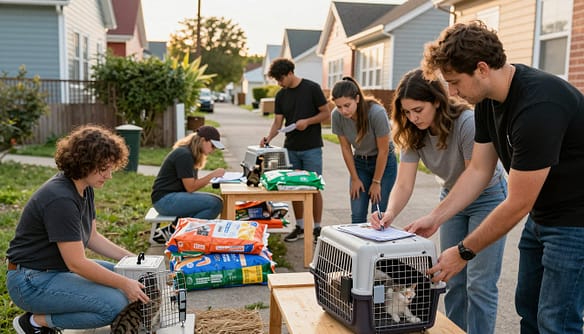
Forming Coordinated Trapping Teams
Trapping cats humanely needs training and the right tools. Volunteers should learn from experts or local shelters. Many groups offer workshops on how to trap safely.
Getting the right equipment is also important. You can borrow humane traps from shelters or rescue groups. This saves money for new teams.
Teams also need to find vets. Look for low-cost clinics through local networks. Having a reliable vet is essential for TNR to adoption stories.
Fostering is key for indoor cats, as mentioned before. A good foster system needs clear roles. Different fosters handle different needs.
- Medical Fosters: Care for cats after surgery or illness.
- Socialization Fosters: Help shy or fearful cats feel safe.
- Kitten Fosters: Care for newborn and young kittens.
Keeping fosters is an ongoing task. Successful programs give them supplies, vet care, and clear rules. This support keeps them going.
Organizing Strategic Supply Drives
Collecting resources keeps things running smoothly. A focused drive gets the right items. This makes donations count.
Key items include:
- Premium cat food and feeding stations
- Sturdy carriers and transport equipment
- Funds for vet bills
- Clean bedding and toys
Planning a drive means setting up collection points and promoting it. Working with local businesses helps reach more people. A clear system for giving out supplies builds trust with donors.
Building Your Local Action Plan
People can help by finding their strengths in this system. There are many ways to get involved. You might start by helping with trapping before fostering.
Local community cat programs grow as more people get involved. Every role, from trapping to fundraising, is important. This teamwork is how small actions become big changes in TNR to adoption stories.
The goal is to build a strong local network. It helps cats from the streets to finding homes. Every skill and resource helps make this network stronger.
Resource List: community cat orgs, training videos, grants
For those caring for community cats, this list has everything you need. It includes national groups, training videos, and funding sources. It’s all about helping you plan and run successful community cat programs.
These groups offer great advice, support, and help with laws. They are key for any program.
- Alley Cat Allies: A leader in the field, they have lots of resources on Trap-Neuter-Return (TNR), legal help, and program tips for socialized street cats.
- Best Friends Animal Society: They offer a lot of support and the Best Friends Community Cat Programs Handbook. This is a must-have for shelters and groups.
- The Humane Society of the United States: They provide training, policy tools, and help for disasters. It’s all about managing community cats.
- Regional SPCAs and Animal Welfare Coalitions: Local groups offer hands-on help, vet partnerships, and local advocacy. It’s vital for colony caregivers.
Training Videos & Educational Materials
Visual guides are key for learning humane ways. Here are some top picks for essential skills.
- Humane Trapping and Transport: Alley Cat Allies has a video series on safe trapping, handling feral cats, and getting them ready for surgery.
- Socialization Techniques for Kittens and Adults: Best Friends Animal Society has content on how to build trust with socialized street cats.
- Advanced Medical Care for Community Cats: Webinars from vet partners cover recovery, wound care, and common illnesses.
- Managing Community Cats: A Complete Guide: An online guide with detailed protocols for managing colonies and talking to stakeholders.
Grants & Funding Opportunities
Money is needed to keep programs going. Here are places that offer funding for TNR clinics, shelters, and outreach.
- Petco Love: They give grants to animal welfare groups, including those with TNR and community cat programs.
- The ASPCA: They fund shelter outreach, vet care, and support for colony caregivers.
- Community Foundations: Local foundations often have grants for animal welfare and community projects.
- Corporate Social Responsibility (CSR) Programs: Companies also give money for local projects, like spay/neuter clinics.
It’s important to read grant guidelines carefully. Make sure your application shows how you’ll help cats and the community. This list is a powerful tool for success in community cat work.
Conclusion: Every Block Can Be a Safety Net
Managing community cat populations is a big task, but it’s doable. It’s all about following a few key steps. Trap-Neuter-Vaccinate-Return (TNVR) is the best way to handle it, experts say.
Changing things starts with small steps. It takes people who know what to do, care for animals, and vets working together. By teaching kittens to socialize and finding them homes, we help them thrive.
Stories like Coeur de Pirate show how this works. These tales of success come from community efforts and careful care. They turn kindness into a lasting way to help animals.
Every neighborhood has what it takes to start this work. There are national groups, local shelters, and training programs to help. With the right steps, we can move from random cat colonies to well-managed ones.
Leaders and experts can lead this effort. It leads to better lives for animals and a happier community. By tackling it block by block, we build a strong safety net for all.