
Shelter overcapacity can sound like a facilities problem, but anyone who has walked through a crowded kennel aisle knows it is really a community problem. Behind every full run, stacked cat condo, and waiting list is a local team trying to keep pets safe while matching them with homes that can truly support them.
I say this with a rescue advocate’s optimism: communities are not powerless here. Adoption helps, yes, but so do fostering, transport help, laundry shifts, pet food donations, owner-support programs, and patient conversations with neighbors who are trying to keep pets they love. The strongest shelter support is not a one-day burst of attention. It is a steady habit of showing up.
What Shelter Overcapacity Means For Local Pets
Shelter Overcapacity In The Numbers
During 2025, U.S. shelters and rescues took in 5.8 million dogs and cats, including 2.8 million dogs and 3 million cats; adoptions reached 4.2 million animals, and about 597,000 shelter animals were euthanized, according to ASPCA annual sheltering data. Those figures show why even small changes in local adoption, foster, and return-to-home outcomes can matter so much.
The pressure behind shelter overcapacity is not simply that pets arrive. It is that animals arrive faster than appropriate outcomes open up. A shelter may have a safe building, caring staff, and devoted volunteers, yet still run short on kennel space, cat housing, foster homes, transport slots, or quiet areas for animals that need decompression. Capacity is not only a headcount. It is the ability to give each pet humane care, accurate assessment, and a fair chance at placement.
Why Full Shelters Feel The Strain Quickly
When a shelter is crowded, every decision becomes harder. Staff may need to balance emergency intakes, lost pets waiting for families, owner surrenders, animals needing extra support, and adoptable pets who are ready to leave but have not yet found matches. Crowding can also reduce the time available for enrichment, adoption counseling, and follow-up support.
That does not mean shelters are failing. It means they are being asked to carry more than one organization can carry alone. Community support gives shelters breathing room. A foster home can open a kennel. A microchip check can reunite a lost pet. A donation of towels or food can free limited funds for other needs. A thoughtful adopter can create space while giving one animal a loving, prepared home.
Why Some Pets Wait Longer
Large Dogs Need More Room And More Matches
Large dogs deserve special attention in any honest conversation about crowded shelters. In 2025, large dogs made up 26% of dog intakes but had the longest median lengths of stay compared with medium and small dogs, according to the 2026 shelter adoption report. Longer stays can place extra pressure on housing, staffing, and daily care routines.
Why do larger dogs wait? The research provided here does not give one single cause, and local patterns can differ. What we can say safely is that bigger dogs often need more physical space, more housing flexibility, and adopters or fosters who are ready for their size, exercise needs, training plans, and rental or housing restrictions. That is not a reason to overlook them. It is a reason to prepare well and support adopters with honest information.
Adoption Matching Is Care, Not A Delay
A good match protects both the pet and the family. Responsible adoption is not about rushing an animal out the door so a kennel looks empty by dinner. It is about asking practical questions: Does the household have time for daily care? Are all family members on board? Can the adopter afford food, supplies, routine veterinary care, and unexpected costs? If there are other pets, can introductions be handled safely with shelter guidance?
This is where community education pays off. If more families understand what adoption involves before they arrive, shelters can spend less time correcting mismatched expectations and more time helping people meet pets who suit their homes. For readers who want more preparation before adopting, our piece on responsible adoption planning connects awareness with the everyday care that keeps pets in homes.
How Neighbors Can Reduce The Pressure
Fostering Opens Space Fast
Easing shelter overcapacity often starts with foster care. A foster home may help a pet recover from stress, learn household routines, or simply wait in a calmer place while the shelter searches for an adopter. Foster volunteers also give shelters valuable observations about a pet’s daily habits, comfort level, and needs in a home setting.
Fostering does not have to mean taking on the hardest case or making a lifetime commitment. Some shelters need short-term fosters for adult cats, weekend fosters for dogs, bottle-feeding help for kittens, or temporary care during busy intake periods. Each shelter sets its own programs and screening steps, so the best first move is to ask what help is needed most right now.
Small Acts Add Up
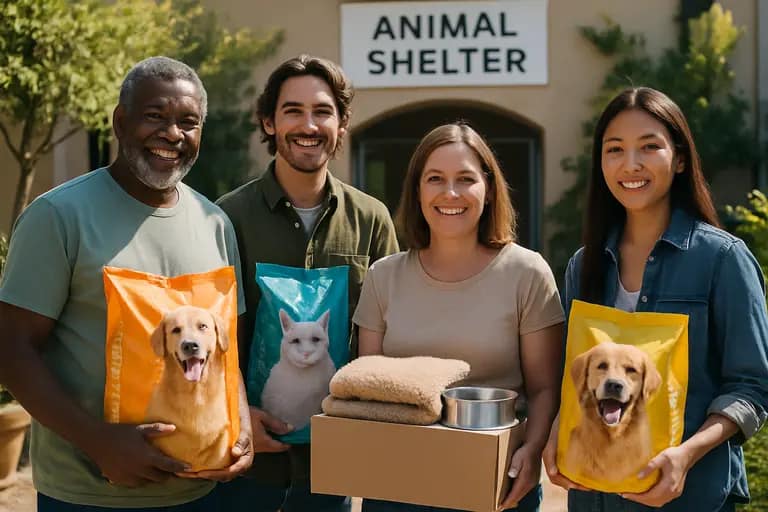
Not every supporter can adopt or foster, and that is okay. Local shelters need many kinds of steady help. Before donating items, check the shelter’s current wish list so staff receive supplies they can use safely.
- Adopt thoughtfully: Choose a pet because the match is right, not because the situation feels urgent.
- Foster if you can: Even a short placement can create room for another animal in need.
- Volunteer consistently: Walking dogs, cleaning, laundry, transport, and event support all matter.
- Donate useful supplies: Food, towels, bedding, and enrichment items should match the shelter’s posted needs.
- Help lost pets get home: Keep your pets’ ID tags and microchip details updated, and encourage neighbors to do the same.
- Support pet retention: Food pantries, temporary foster programs, and low-cost community resources can help families avoid surrender when appropriate.
Health and behavior questions should be handled with qualified help. If your adopted or foster pet shows concerning symptoms or sudden behavior changes, contact the shelter team and consult a licensed veterinarian or qualified behavior professional. Community compassion works best when paired with safe, informed care.
Community Support For Shelter Overcapacity
Shelter overcapacity is not solved by guilt. It is eased by neighbors who decide that rescue pets belong to the whole community until each one has a safe place to land. That may mean adopting a senior cat, fostering a large dog, driving supplies across town, or sharing a shelter post with someone who is truly ready to bring a pet home.
The hopeful part is that every doorway matters. One foster doorway. One adopter doorway. One volunteer entrance at 8 a.m. on a rainy Saturday. Local shelters are full of people doing hard, loving work, and they should not have to do it alone. If your home, schedule, budget, or skills can help, reach out to a nearby shelter and ask one simple question: what would help most this week?