
Home Grooming has moved from an occasional bath-day project into a regular part of life for many dog families. The shift is not just about convenience. It reflects rising dog ownership, value-conscious spending, and the simple desire to keep pets comfortable between professional appointments.
For adopters and foster caregivers, the trend carries a tender little reminder: grooming is not vanity. It can be a trust-building ritual, especially for a dog settling into a new home. A brush on the kitchen floor, a towel by the door, and a calm voice can tell a newly adopted pet, “You are safe here,” without making a big production of it.
Home Grooming Is Becoming A Household Habit
Why Home Grooming Fits Value-Driven Care
The scale of dog ownership helps explain why grooming habits are changing. APPA’s 2026 “Dog Report: Strategic Insights from the 2025 National Pet Owners Survey” was reported as finding that 71 million U.S. households, or 53%, owned a dog in 2025, up from 51% in 2024 and equal to about 4 million added dog-owning homes APPA-reported dog ownership data. More dogs in homes means more daily care decisions: muddy paws, shedding coats, quick freshen-ups before guests arrive, and bath schedules that need to fit real family budgets.
The same research thread points to a clear home-care preference. A PetfoodIndustry report on APPA survey findings said 51% of dog owners groomed their dogs at home in 2025, while dog wipes saw household ownership more than double, with purchases up 129% and planned purchases for the coming year up 200% value-driven dog owner spending. Those numbers do not mean every family is replacing groomers. They do suggest many people are handling smaller, routine tasks themselves.
Home Grooming can also feel kinder for some dogs who are unsure about car rides, loud dryers, or unfamiliar handling. That is especially relevant for rescue pets whose past experiences may be unknown. A quiet, low-pressure session at home can help caregivers learn what a dog accepts easily and what may need slower support from a professional groomer, trainer, rescue staff member, or licensed veterinarian.
What Families Are Really Bringing Home
The trend is built on modest tools rather than dramatic makeovers. Families may buy brushes, towels, nail files, shampoos, detangling sprays, grooming gloves, wipes, or small clippers. The heart of the habit is less about a perfect coat and more about staying ahead of everyday mess.
For community rescue groups, this matters because grooming supplies are often practical donation items. A shelter may have specific wish-list needs, so donors should always check the organization’s official list before shopping. Still, the broader trend suggests many pet owners understand that care happens in small moments, not only at annual appointments.
There is a spending lesson here, too. Value-driven care does not have to mean buying every product on the shelf. It can mean choosing a few useful items, reading labels, asking questions, and keeping professional support in the plan when a dog’s coat, skin, ears, nails, or anxiety level calls for skilled help.
Wipes Are The Quick-Care Product To Watch
Where Wipes Fit Into Home Grooming
Grooming wipes have become the practical sidekick of the at-home routine. They sit near doors, in cars, in foster supply bins, and beside crates for quick paw or coat cleanups. Their appeal is easy to understand: they are portable, simple to use, and less disruptive than a bath after every muddy walk.
The strongest supported pet-specific trend in the research is the rapid rise in dog wipes ownership and purchasing. The PetfoodIndustry report tied this growth to value-driven dog owner behavior, not just novelty. That distinction matters. Families are not simply buying a cute extra; many appear to be seeking lower-effort ways to manage everyday care.
Still, wipes deserve common-sense boundaries. They are not a substitute for bathing when a dog truly needs one. They are not treatment for skin irritation, wounds, persistent odor, ear concerns, or coat problems. If a pet seems uncomfortable, has a recurring issue, or reacts poorly to a product, the responsible next step is to stop using it and consult a licensed veterinarian.
Rescue And Foster Uses Without Overdoing It
In foster homes, wipes may help with gentle cleanup after transport, outdoor play, or a nervous accident. The key word is gentle. A newly placed dog may not yet understand why a human is reaching for its paws or tail. Short sessions, soft handling, and respect for the dog’s body language can keep grooming from feeling like a test the pet has to pass.
This is where Home Grooming should never become a performance. A foster caregiver does not need salon results. The goal is comfort, cleanliness, and useful observations that can be shared with the rescue or adopter. If a dog dislikes paw handling, that note can help the next caregiver prepare with patience instead of surprise.
Responsible At-Home Care For Adopted And Foster Dogs
Build A Routine Around Trust
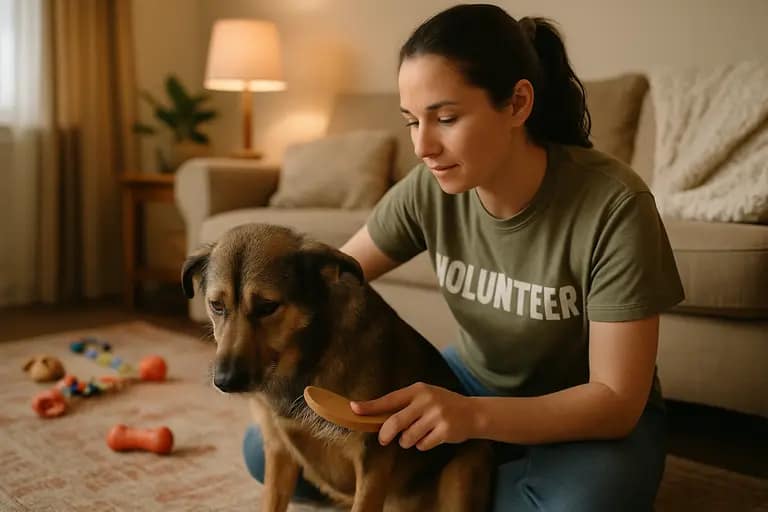
A sound grooming routine begins before the brush touches the coat. Let the dog sniff supplies. Keep sessions brief. Pair handling with calm praise or rewards if the dog is comfortable with food. Stop before frustration rises. These simple habits protect the relationship, which matters far more than finishing every task in one sitting.
Adopters can use grooming time as a weekly check-in without turning it into a medical exam. Notice changes, but avoid guessing at causes. A new lump, sore spot, strong odor, sudden sensitivity, or repeated scratching deserves guidance from a licensed veterinarian. Grooming can reveal that something needs attention; it should not become diagnosis or treatment at home.
- Start small: one paw wipe, a few brush strokes, or a short towel rub may be enough for a newly adopted dog.
- Use the right product for the species: choose items labeled for dogs, and ask a veterinarian or groomer if unsure.
- Respect coat type: curly, double-coated, long-haired, short-haired, and wire-coated dogs may need different tools.
- Keep professionals involved: groomers, veterinarians, and rescue teams can help when mats, fear, or health concerns are present.
- Donate thoughtfully: ask shelters what grooming supplies they accept before dropping items off.
Professional Groomers Still Matter
The rise of at-home care should not be read as a farewell to professional grooming. Many dogs benefit from trained hands, safe equipment, and coat-specific experience. Dogs with heavy matting, thick undercoats, special handling needs, or nails that are difficult to manage may need professional support.
There is also an adoption angle. A well-groomed dog may feel more comfortable meeting potential adopters, but rescue organizations must balance presentation with stress reduction. A calm wipe-down may be kinder than a full bath on a difficult day. Responsible care asks, “What does this animal need right now?” rather than “What looks best in a photo?”
Home Grooming Trends And Rescue-Minded Choices
Spend With Purpose, Not Panic
Home Grooming trends can tempt families into buying more than they need. A rescue-minded approach is quieter and wiser: start with basics, learn the dog in front of you, and add tools only when they serve a clear purpose. A towel that prevents slipping, a brush that suits the coat, and wipes that are used appropriately may do more good than a cabinet full of barely opened products.
For people preparing to adopt, grooming questions belong beside food, exercise, training, and veterinary planning. Ask the shelter or rescue what they know about the dog’s coat care. Ask whether the dog has tolerated brushing or bathing. Ask what supplies the organization recommends. If the answer is “we are not sure,” that is honest information, not a red flag. Many rescue teams are working with limited histories.
Care That Keeps Community At The Center
The growth in wipes and home care points toward a broader truth: pet families want practical ways to care well. That energy can support animals beyond one household. Local rescues may need towels, unopened grooming supplies, volunteer bath-day help, or foster homes willing to offer calm, patient care. Always follow the organization’s posted needs and handling guidelines.
The best version of this trend is not about replacing experts or chasing perfect before-and-after photos. It is about giving dogs steady, respectful care in the place they spend most of their lives. For a foster pet learning to trust, or an adopted dog finally settling into a soft routine, that can be a beautiful kind of progress.