
Shelter Animals Count data gave shelters and rescue groups a practical gift in 2025: a clearer picture of where pets were getting stuck, where families were saying yes, and where community support could help more animals move into safe, prepared homes.
As Caden Locke, I get genuinely hopeful about numbers that lead to kinder action. Data is not a cold spreadsheet when it points to a dog who needs better promotion, a neonatal kitten who needs a foster home, or a family who can adopt if the shelter is open after work. The best adoption strategies are not about rushing matches. They are about removing avoidable barriers while still protecting animal welfare, adopter readiness, and long-term success.
What Shelter Animals Count Revealed In 2025
The 2025 findings showed both pressure and possibility. About 5.8 million cats and dogs entered U.S. shelters and rescue organizations in 2025, a 2% drop from 2024, while total adoptions reached 4.2 million, up 0.7% from the prior year, according to the 2025 Annual Data Report. Those two facts matter together. A slight intake decline paired with modest adoption growth suggests that progress can come from small operational changes, not just giant campaigns.
The adoption rate shifted by species, too. Dog adoptions relative to intake rose from about 55% in 2024 to 57% in 2025, while cats moved from about 62% to 63%. That does not mean cats are “easy” or dogs are “hard.” It means shelters need species-specific plans. Cat programs may need stronger foster pathways for vulnerable kittens and older cats, while dog programs may need better profile writing, playgroup notes, foster reports, and neighborhood outreach for dogs who wait longer.
Shelter Animals Count Adoption Signals
The most encouraging signal is that adoption gains do not have to be dramatic to be meaningful. Twenty-nine thousand more adoptions can represent thousands of households choosing a shelter or rescue pet. For a community-driven shelter, that is a reminder to treat every adoption touchpoint as part of the outcome: the first photo, the phone call, the hours posted online, the welcome at the front desk, and the follow-up after adoption.
The Shelter Animals Count pattern also shows why “one-size-fits-all” adoption planning falls short. A shy adult cat, a large stray dog, a litter of bottle kittens, and a bonded pair of seniors all need different support. The strategy is not to lower care standards. The strategy is to match the right support to the right animal at the right time.
Turning Data Into Lower Adoption Barriers
One of the clearest adoption lessons from the 2025 findings is access. The research notes from SAC’s September 2025 Adoption Hours & Policies Pulse Check reported that many surveyed organizations were open fewer than 45 hours per week, evening and Sunday hours were limited, and roughly 80% allowed same-day adoptions, though restrictions still existed. For working families, caregivers, students, and people relying on shared transportation, access can decide whether adoption is realistic.
Same-day adoption does not mean careless adoption. It can mean clear counseling, good questions, honest pet histories, and efficient paperwork. A family that has already prepared for a pet should not always have to return three times before bringing one home. At the same time, shelters should keep space for thoughtful pauses when a pet has special handling needs, a resident-pet introduction is required, or a family needs more time to prepare.
Hours, Paperwork, And Human Reality
Adoption barriers often look small from inside an organization and huge from the adopter’s side. A limited pickup window, a hard-to-find application, or a policy that assumes every household fits the same mold can slow a good match. Shelters can review each step and ask a simple question: does this protect the animal, or does it only protect an old habit?
Practical changes can include clearer pet bios, posted adoption steps, evening appointments, Sunday hours when staffing allows, mobile adoption events, and faster review for applicants who are ready. For more community-centered ideas tied to capacity and support, our piece on shelter overcapacity and local help connects adoption, fostering, volunteering, and donations in a useful way.
Where Foster Care And Transfers Fit
Foster care is not a side project. It is a lifesaving support system when used responsibly. The 2025 data noted that non-live outcomes for dogs decreased by about 1%, while cat non-live outcomes rose slightly, mainly tied to neonatal fragility and older cats. Overall non-live outcomes were 757,000 animals, a 1% decrease from 2024. For neonatal kittens, seniors, and animals needing extra observation, foster homes can offer quieter care while shelters coordinate with licensed veterinarians when health concerns appear.
Foster homes also create better adoption information. A shelter kennel can tell staff some things. A foster home can often tell adopters whether a pet enjoys calm mornings, startles at the vacuum, loves puzzle feeders, or settles near a desk during work hours. That kind of honest detail helps families picture daily life, which can improve confidence without overselling the pet.
Transfers were another major 2025 signal. Transfers into sheltering organizations increased by 3%, totaling about 1.3 million animals, while transfers out decreased by 1% to 906,000 animals, according to the SAC report. Government shelters were primary sources of transfers out, while rescues, private shelters, and contracted shelters handled many transfers in. That points to a shared-care model: no single shelter can solve every capacity issue alone, but coordinated transport, receiving partners, and foster networks can move pets toward places where adoption chances may be better.
Large Dogs Need Better Storytelling
Large dogs remained a concern in 2025. The mid-year findings in the research notes said large dogs were a smaller share of stray dog intakes, about 29%, but made up a larger share of return-to-owner cases, about 41%, and tended to have longer shelter stays. That tells us large dogs need more than kennel cards that say “friendly” or “active.” They need specific, helpful storytelling.
A stronger large-dog strategy might include foster weekends, behavior notes written in plain language, photos outside the kennel, adopter meet-and-greets in quieter spaces, and support after adoption. If behavior concerns appear, shelters and adopters should work with qualified professionals, and any health questions should go to a licensed veterinarian. The goal is not to make promises. It is to give adopters enough truthful information to make a good decision.
Return-To-Owner Gaps Deserve Community Attention
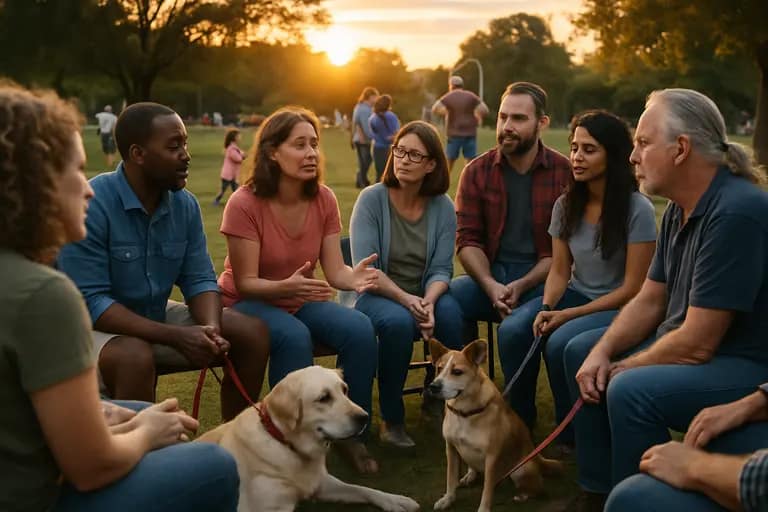
Return-to-owner work is adoption-adjacent, and it matters deeply. In 2025, 638,000 animals were reunited with their people, a 3% decline from 2024. The species gap was striking in the research notes: about 19% of dog intakes resulted in return-to-owner outcomes compared with about 3% of cat intakes; among strays, about 34% of dogs and about 6% of cats were returned.
That gap should make every neighborhood pause. Many cats are not “unowned” simply because they are outdoors, and many families searching for cats may not know where to look. Better lost-pet systems can include easy-to-use found-pet pages, microchip scanning access, neighborhood flyers, social media posts, and shelter staff coaching finders on safe next steps. These actions can prevent some animals from needing adoption at all, which frees adoption resources for pets who truly need new homes.
- For adopters: choose based on lifestyle, budget, housing rules, and time, not only appearance.
- For fosters: share honest notes about routines, preferences, and stress signals so shelters can market pets fairly.
- For shelters: review hours, same-day processes, transfer options, and foster pathways with animal welfare and adopter access in mind.
- For neighbors: help lost pets get home through microchip checks, local posts, and direct shelter reporting.
Shelter Animals Count Adoption Lessons
The strongest lesson from Shelter Animals Count is that adoption strategy works best when it is both data-informed and deeply humane. Intake fell slightly in 2025. Adoptions rose slightly. Length of stay improved across government shelters, private shelters, and shelters with municipal contracts, while rescues also showed improvement. None of that suggests shelters can relax. It suggests that practical, steady improvements are worth the effort.
Using Shelter Animals Count as a planning tool, shelters can focus on the pets most likely to wait: large dogs, older animals, neonatal kittens, and animals needing foster support. They can also make adoption easier for prepared families by offering clearer information, better hours where staffing allows, and policies that protect pets without shutting out good homes.
For the rest of us, the invitation is simple and powerful: adopt when ready, foster when able, volunteer when possible, donate when you can, and share shelter pets with care. Behind every data point is an animal whose next chapter may start because a community paid attention.