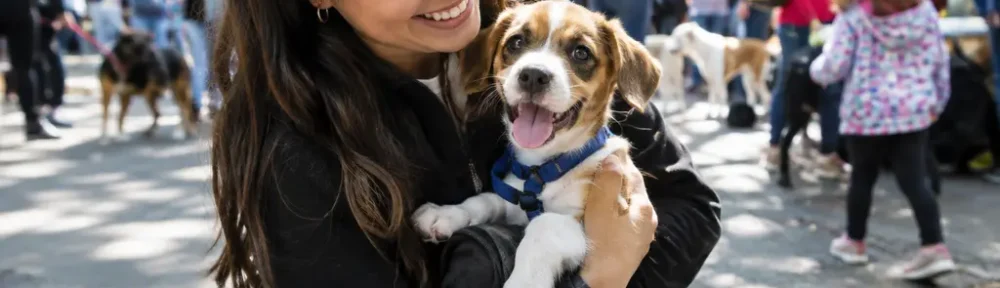
Rescue Effect Events gave New York City pet seekers a practical way to meet adoptable cats, dogs, and rabbits with lower upfront adoption costs. As of November 3, 2026, the listed campaign dates in NYC had already passed, so the best way to use this recap is to learn what worked: fee waivers, neighborhood access, clear expectations, and community support after adoption day.
I love seeing adoption efforts meet people where they are. A shelter visit can feel like a big step, especially for first-time adopters, renters, families with children, or older adults comparing pet care routines. Fee-waived events and mobile pop-ups do not remove the responsibility of pet ownership, but they can reduce one barrier while giving adopters a chance to ask questions, meet staff, and think carefully before bringing a companion home.
How Rescue Effect Events Worked In NYC
The New York City rollout was part of a broader adoption push involving Animal Care Centers of NYC, the ASPCA, and the Pete & Thomas Foundation. On August 1, 2026, one of the first local fee-waived events took place at ACC’s Queens Animal Care Center, where 29 animals, including cats, dogs, and rabbits, found homes, according to the ASPCA announcement. That same source reported that ACC received a $10,000 ASPCA grant to support fee-waived adoption events during the campaign.
Rescue Effect Events At Queens ACC
Queens mattered because it showed how a care center can become both a meeting place and a decision point. The August 1, 2026 event was not framed as a shopping day for pets. It was an adoption day, which means the real goal was a good match: an animal whose needs fit the adopter’s time, home, budget, and long-term commitment.
The campaign ran from August through October 2026, overlapping with Adopt-a-Shelter-Dog Month in October. The ASPCA-supported national effort directed $2 million in grants to about 200 shelters and rescues across the country, based on the research provided. In NYC, the research notes identify extra ACC fee-waived event dates on August 23, September 12, and September 20, 2026. Those dates had passed by November 3, 2026, so pet seekers should treat them as part of the campaign record rather than current listings.
What The September Manhattan Event Showed
One especially clear example came on Sunday, September 7, 2026, when ACC hosted a fee-waived adoption event from 11 a.m. to 5 p.m. at its Manhattan Care Center at 323 East 109th Street. The notice stated that adoption fees were waived for all animals, while NYC licensing fees and a possible spay/neuter deposit were excluded from the waiver, according to an official community notice.
That detail is worth pausing on. “Fee waived” does not mean “cost free for life.” Food, litter, enrichment, routine veterinary care, licensing where required, safe transport, and emergency planning still belong in the family budget. Fee relief can open a door, but responsible adoption means knowing what waits on the other side of that door.
Fee Waivers And Mobile Pop-Ups For Pet Seekers
Fee waivers can be powerful when paired with thoughtful counseling. A good adoption conversation covers the animal’s age, known behavior notes, daily care needs, housing limits, children or other pets in the home, and whether the adopter has a plan for veterinary care. If a health question comes up, adopters should speak with shelter medical staff and consult a licensed veterinarian for individual guidance.
The research also describes ACC mobile and pop-up adoption events in New York City neighborhoods, including Brooklyn, Manhattan, and Queens. Those formats matter because not every adopter can easily reach a care center. A neighborhood pop-up may give a family a first, friendly point of contact with adoptable animals and shelter staff. It can also help neighbors see shelter pets as local animals waiting for local support, not as an abstract issue happening somewhere else.
Those Rescue Effect Events also showed why timing and clarity are essential. Some pop-ups were listed with afternoon windows, often around 12 p.m. to 4 p.m., while care-center events in the research often used 11 a.m. to 5 p.m. schedules. Since event times and animals available for adoption can change, future adopters should confirm details directly with ACC before making travel plans.
For readers who want a wider view of how volunteers make adoption days warmer and more organized, our community piece on pet adoption events connects nicely with the same idea: people help pets not only by adopting, but also by greeting, transporting, fostering, sharing accurate information, and supporting families after the paperwork is done.
Responsible Adoption After A Waived Fee
The value of Rescue Effect Events was not just the waived fee. It was the invitation to slow down and ask better questions before saying yes. A calm “not yet” can be an act of kindness if a household is not ready. A well-prepared “yes” can change life for a shelter animal and for the person welcoming them home.
Questions To Ask Before You Adopt
Before adopting from any event, families can use a simple readiness check. This is not meant to scare anyone away. It is meant to protect the bond from avoidable stress.
- Time: Who will handle daily feeding, walks, litter care, training practice, or enrichment?
- Budget: Can the household cover supplies, licensing where required, veterinary care, and future unexpected needs?
- Housing: Are pets allowed under the lease, building rules, or family agreement?
- Fit: Does the animal’s size, age, energy level, and known history match the home?
- Support: Is there a plan for pet care during travel, illness, work changes, or family emergencies?
For rabbits, cats, and dogs alike, adopters should also ask about safe housing, enrichment, diet basics, and follow-up contacts. Shelters can share what they know, but every animal is an individual. Patience during the first days and weeks is part of responsible ownership.
Why Fee Relief Still Needs Careful Matching
A waived adoption fee can help a person adopt sooner, but it should never rush the match. Adopters should take time to read the available notes, observe the animal’s comfort level, and be honest about household limits. A busy family may thrive with one pet and feel overwhelmed with another. A quiet apartment may suit some animals beautifully and frustrate others. There is no shame in asking staff for help weighing those differences.
For rescue advocates like me, the best adoption event is not the loudest one. It is the one where animals leave with people who understand that adoption is the start of care, not the finish line.
Community Care Beyond Adoption Day
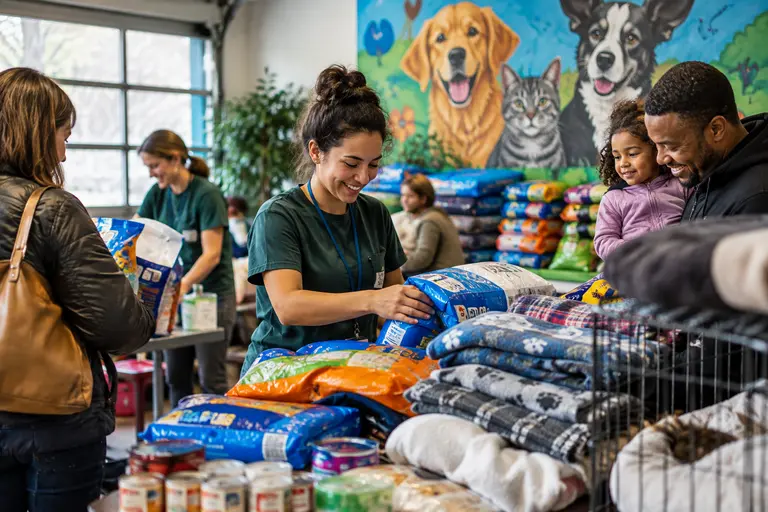
New York’s adoption community is strongest when people see more than one way to help. Not everyone can adopt on a given date. Some people can foster. Some can donate supplies. Some can share accurate event information with neighbors. Some can help a friend think through whether they are ready for a pet. All of that support matters.
Mobile pop-ups are especially good at reminding a neighborhood that sheltering is local work. When adoptable animals visit community spaces, residents can meet the people behind the care: adoption counselors, volunteers, transport helpers, and foster caregivers. That contact builds trust, and trust often leads to better questions, better matches, and steadier support for shelters after a campaign ends.
There is also a kindness in celebrating the people who decide to wait. A thoughtful non-adoption can prevent a rushed return. A future adopter who uses the time to save for supplies, speak with a landlord, or choose a veterinarian may be far better prepared at the next event.
Rescue Effect Events In NYC
By November 3, 2026, the NYC campaign dates in the research had passed, including the August 1 Queens event, the September 7 Manhattan event, the other listed late-summer ACC dates, the October 3 Queens event, and the October 25 through November 1 cat fee-waiver period described in the research. Seen together, they offer a useful model for future adoption outreach: reduce a financial barrier, bring adoptable animals closer to neighborhoods, explain what fees are and are not covered, and keep the focus on lasting homes.
Rescue Effect Events did something very hopeful for New York City: they turned adoption into a community conversation. The next step is ours. Whether we adopt, foster, volunteer, donate, or simply share accurate information, we can help make sure shelter pets are met with preparation, patience, and real commitment.