
Let’s be honest. We’ve all seen that dog at the park, staring into the middle distance, looking bored out of its skull.
Now, picture a different scene. That same dog, tail wagging with purpose, calmly visiting a hospital ward. This is more than just a feel-good story. It’s a win-win situation.
For the animal, a job is better than sitting on a couch all day. It keeps their mind sharp. For the person, it’s a real help. The bond between humans and animals is scientifically proven to be strong.
Take Winston. He’s a therapy dog who brings happiness to many. His story is a great example of Pet Adoption Successes. He was rescued by Best Friends and has a special tongue that shows his surgery.
Their cute faces are hard to ignore. But the real magic is the deep bond they form. It shows that the best job referrals can come from shelters.
Mini‑Profiles: therapy teams, courthouse comfort dogs, reading buddies, barn cats on duty
The animal kingdom’s gig economy is growing fast. It offers more than just treats and belly rubs. It’s like a professional network for animals, where a wagging tail is a resume and calm demeanor is key. We’re looking at the four main pillars of this world.
First, we have the therapy teams. These are not just pets with vests; they’re emotional first responders. They provide comfort in places where words fail. They work in hospitals and libraries, helping to lower blood pressure and lift spirits.
Then, there are the courthouse comfort dogs. These dogs are silent witnesses in tense situations. They offer more comfort than legal precedents. They work with victim advocates and legal professionals, helping traumatized witnesses, including children.
Next, we have the reading buddies. These dogs help with childhood literacy. In library reading programs, a child reads to a dog. The dog listens without judgment, making reading less stressful.
Lastly, we have the barn cats on duty. They’re not just pets; they’re pest control experts. They live on farms, warehouses, or breweries, keeping pests away. For cats who don’t like indoor life, this is a perfect job.
Each role needs a specific temperament. Therapy dogs need calm, courthouse dogs need empathy, reading buddies need patience, and barn cats need independence. Shelters and programs are getting better at finding the right match. This is the new way of adoption, where pets find a purpose and people get a valuable partner.
Training & Certification Paths: CGC, therapy orgs, workplace policies
Turning a shelter pet into a working dog needs a detailed plan. It’s not just about teaching commands. It’s about finding the right fit in the modern job market.
Every dog’s career starts with the Canine Good Citizen (CGC) title. It’s like a high school diploma for dogs. It tests their manners, how they get along with others, and their self-control. Passing this shows your dog can handle distractions well.
After that, dogs can choose their career paths.
For therapy work, getting certified is key. Groups like Pet Partners or Therapy Dogs International are the gatekeepers. They check if a dog can handle medical equipment, loud noises, and unexpected hugs. They look for a calm and unobtrusive dog.
Psychiatric service or facility dogs need advanced training. They learn specific tasks, like providing deep pressure therapy. These dogs have a legal right of public access. They are well-trained and safe to be with anywhere.
Scent work is another career path for dogs. It uses their natural smell skills. Dogs can detect medical conditions or help in search and rescue. It’s a challenging job that keeps their minds sharp.
But, having a well-trained dog isn’t enough. You also need the right workplace policies. Starting a therapy dog program at work needs careful planning. You’ll need to talk about liability, allergies, and clear rules. It’s important to see it as a well-being initiative, not just a perk.
| Career Path | Primary Focus | Key Certification/Skill | Training Intensity | Typical Setting |
|---|---|---|---|---|
| Therapy Dog | Providing comfort & affection | Org Certification (e.g., Pet Partners) | Moderate to High (Public Manners) | Hospitals, Schools, Courts |
| Service Dog | Performing specific disability-mitigating tasks | Public Access Training & Task Mastery | Very High (18+ months common) | Anywhere with Handler |
| Scent Work | Odor detection & identification | Specialized Nosework Titles/Operational Cert. | Variable (Ongoing Skill Sharpening) | Search & Rescue, Medical Alert, Detection |
The main idea is to move from basic training to a specific job. Each path offers a structured way to turn a rescue’s talent into a certified skill. It’s a process that respects the animal’s nature while demanding human commitment. The result is a strong bond built on mutual respect and a clear purpose.
Safety & Welfare: consent, breaks, handling, enrichment on the job
Imagine your most stressful workday, then imagine you can’t say ‘I need a break.’ That’s the silent reality for an animal partner without proper safeguards. It’s not about wrapping them in bubble wrap; it’s about applying modern labor ethics to our most vulnerable colleagues. A successful program isn’t measured by smiles generated, but by the well-being of the worker generating them.
Consent is the bedrock. It’s not a signed form, but a continuous, silent conversation. Is the tail wagging because the dog is engaged, or is it a low, nervous flicker? Are the ears pinned back? Is the cat leaning into a pet or subtly shifting its weight away? These are the body language cues most people miss. An animal shutting down is not being “well-behaved.” It’s dissociating. True partnership requires reading the “no” that isn’t barked or meowed.
Breaks are non-negotiable. Even the most social, highly trained therapy dog needs to clock out and just be a dog. We mandate lunch breaks for humans—why would our animal colleagues be any different? This is where performative altruism fails. A two-hour library visit without a quiet, off-duty moment isn’t community outreach; it’s a marathon. Sustainable programs build in mandatory decompression time, because burnout has four legs, too.
Proper handling is about stress mitigation in the unpredictable wilds of human spaces. A courthouse hallway echoes differently than a quiet office. A child’s sudden squeal in a classroom is not the same as a home environment. Good handlers are tactical navigators, creating buffers, reading rooms for exits and quiet corners, and knowing when to call an audible and leave. It’s the difference between a controlled mission and chaotic exposure.
Lastly, enrichment on the job ensures the work itself is rewarding. This is the secret sauce. Does the barn cat get satisfaction from patrolling for rodents? Does the reading dog find the child’s calm voice soothing? The goal is to structure tasks around the animal’s natural instincts and rewards. The job shouldn’t be a chore they endure; it should be an activity they authentically enjoy. That’s the line between exploitation and partnership.
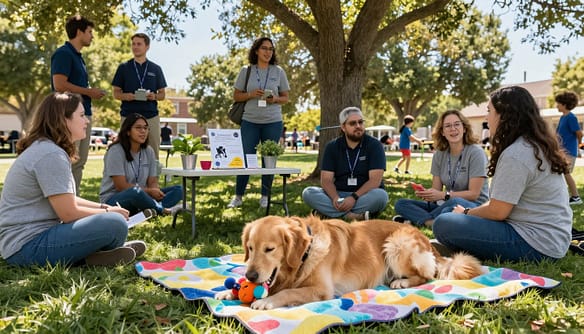
Think of it as a spectrum. On one end, you have the Stressed Performer. On the other, the Sustainable Partner. The table below isn’t just a checklist; it’s a moral compass.
| Aspect | The Sustainable Partner | The Stressed Performer |
|---|---|---|
| Consent Cues | Seeks interaction, loose body posture, initiates contact. | Tolerates interaction, avoids eye contact, exhibits “whale eye” or lip-licking. |
| Break Protocol | Scheduled, quiet breaks away from stimuli. Vest comes off. | Continuous “on-duty” time. Work and rest environments are the same. |
| Handling Style | Proactive. Handler anticipates stressors and creates exits. | Reactive. Animal is exposed to chaos without a buffer. |
| Job Enrichment | Tasks align with natural drives. Success is internally rewarding. | Tasks are arbitrary. Reward is solely external (treats, praise). |
| Long-Term Outcome | Confident, engaged animal. Sustainable, long-term service. | Animal shows increased anxiety, shutdown, or behavioral issues. |
The data tells us these animals are “highly trained and socialized to be safe.” Our ethics must ensure they are also highly respected and protected to thrive. This holistic approach—viewing welfare as an operational necessity, not a sentimental afterthought—is what separates meaningful, lasting community outreach from a photo op that leaves everyone, including the animal, worse for wear.
How Shelters Evaluate for Roles and Make Matches
How does a former stray become a office cat? It begins with a shelter assessment that blends science and art. It’s not like swiping on adoption profiles. This is serious matchmaking, aiming for a vocation, not just a home.
Modern shelters have moved beyond simple adoption. They focus on finding the right match for each person. Programs like Joybound and Best Friends look for professional talent, not just pets.
The evaluation process is detailed. Staff use specific protocols, often based on the Maddie’s Fund guidelines. They assess animals on traits like temperament, resilience, sociability, and drive.
- Temperament: Is the animal calm or curious?
- Resilience: How do they handle new sounds or sudden movements?
- Sociability: Do they seek interaction or prefer to observe?
- Drive: Do they have a focus, like scent work or quiet companionship?
These traits directly relate to job roles. A calm dog with a love for strangers is perfect for therapy. A cat that stays calm in a busy office setting is ready for a corporate role.
But, the kennel might not show everything. Foster-first models offer a deeper look. A cat that claims a desk corner as its own, or a dog that comforts a stressed foster parent, shows its true self.
For shelter staff, this work is rewarding. They see the joy when a child reads to their new pet, or when a family welcomes their office cat. This joy, as one worker said, “makes it all worth it.” They’re not just placing animals. They’re launching careers and creating partnerships that change lives.
Start a Program at Work/School: steps, insurance, ambassadors
Just wanting to bring a dog to work isn’t enough. You need a solid plan to win over skeptics, handle insurance, and navigate office politics. Turning your workplace into a place for animals is a big project. It’s like starting a business that sells happiness.
First, gather your team. Talk to HR, facilities, and leaders to get their support. Then, show them how animals can reduce stress and improve teamwork. This isn’t just about feeling good; it’s a community outreach effort with real benefits.

With your team ready, follow a step-by-step plan. It’s like a corporate guidebook, but for animals.
- The Pitch & Policy Phase: Write a detailed proposal. Explain your goals, expected results, and who’s in charge. This plan is your defense against doubts.
- The Legal Labyrinth: Next, deal with insurance and legal issues. You’ll need a special rider for animals. Make sure everyone signs a waiver. Remember, you need to be a recognized organization to start.
- Ambassador Recruitment: Find the right people to care for the animals. They need training in animal behavior and first aid. Their job is to keep the animals safe and manage interactions.
- The Strategic Partnership: Work with a local shelter or therapy animal group. They provide animals, support, and credibility. This partnership is key to Pet Adoption Successes, helping animals find new homes.
Let’s get specific. The table below outlines the essential parts of a successful program. Think of it as your checklist before takeoff.
| Program Pillar | Critical Actions | Potential Pitfalls | Success Metrics |
|---|---|---|---|
| Governance & Policy | Draft animal interaction policy; secure executive sponsor; form oversight committee. | Vague rules; lack of senior buy-in. | Formal policy adoption; committee meeting frequency. |
| Risk Management | Secure animal liability insurance; draft participant waivers; establish emergency protocols. | Assuming standard insurance covers it; inadequate safety plans. | Insurance certificate in hand; zero liability incidents. |
| Partnership & Sourcing | Formalize MOU with shelter/therapy org; define animal selection criteria. | Ad-hoc arrangements; mismatched animal temperament. | Number of animals placed; partner satisfaction scores. |
| Human Infrastructure | Train animal handlers; appoint program coordinator; create volunteer schedule. | Under-trained staff; ambassador burnout. | Handler certification rate; volunteer retention. |
The people caring for the animals are your key team members. They make sure the policy works in real life. A good team member is patient and observant. They make sure the animals and people are both happy and safe.
This structured approach turns good intentions into real action. It’s how you “advocate for pets… create local change… by working with others in your community,” as the advice says. Your program becomes a model for others, inspiring change and Pet Adoption Successes. You’re not just bringing a pet to work. You’re changing the workplace and community outreach one paw at a time.
Directory: orgs providing training and placements
This section is not just a list. It’s a guide to help animals get a second chance. You don’t have to start from scratch. Just know where to look.
These groups are your allies in helping animals. They offer training, philosophy, and local connections. Together, they make Pet Adoption Successes a reality every day.
The National Backbone: Philosophy as Fuel
Every movement needs a strong foundation. For animal rescue, that’s Best Friends Animal Society. They aim to save pets and show that no animal is disposable.
Their big goal is to help all U.S. shelters become no-kill by 2025. This belief is key for finding homes for animals. No-kill is just the start of their journey.
They believe every animal has value. This belief is the first step in any Pet Adoption Successes story.
The Specialized Program: A Masterclass in Matching
Philosophy is important, but action is key. That’s where Joybound’s Shelter to Service comes in. Launched in 2011, it’s where dreams come true.
Joybound sees more than just a pet. They see a courthouse comfort animal or a farm rodent controller. Their program is all about finding the right match.
They assess animals with great care. Then, they create a training plan just for them. This is the heart of their success stories.
Local support is vital. That’s where places like Philadelphia’s Morris Animal Refuge play a big role. They’ve helped animals for over 150 years.
They have deep community trust and knowledge. They know the area well, including pet-friendly businesses and schools. This local insight is key for successful placements.
So, who does what? Let’s look at the ecosystem. The table below is your guide to animal placement.
| Organization | Primary Focus | Program Type | Geographic Reach | Your Entry Point |
|---|---|---|---|---|
| Best Friends Animal Society | No-Kill Advocacy & Shelter Support | National Network, Resources, Training | National | Partner Network, Educational Workshops |
| Joybound Shelter to Service | Specialized Animal Placement | Role-Specific Training & Certification | Primarily Regional (Expanding) | Direct Program Application |
| Morris Animal Refuge | Community-Based Animal Welfare | Adoption, Foster, Local Partnerships | Local (Philadelphia) | Volunteer, Foster, Community Programs |
| Therapy Animals Unite (Example) | Therapy Animal Certification | Team Evaluation & Registration | National | Handler Certification Courses |
True Pet Adoption Successes are a team effort. Each group plays a unique role.
The national group sets the stage. The specialized trainer writes the score. The local shelter provides the venue. Your role is to find the conductor—or become one.
Use this directory as your first call sheet. The blueprints are ready. The partners are waiting. The only question is which role you’ll play in the next success story.
Conclusion: Work With Heart
So, what’s the final analysis? This movement from shelter to service isn’t just a feel-good story. It’s a strategic overhaul of how we view value in a transactional world.
The data tells a compelling tale. Senior dogs, like Max, cost 36% less than puppies in their first year. A UCLA study shows therapy dogs, such as Lady the Labrador, reduce patient anxiety by 34%. These aren’t just statistics—they are blueprints for smarter, more compassionate choices.
As one rescuer noted, “Saving animals in shelters is everyone’s responsibility.” Another put it perfectly: “I always say we are saving two lives.” The human and the animal. The true Pet Adoption Successes are measured in quiet moments of trust, like a veteran’s hand resting gently on a dog’s head.
Organizations like Hope For Paws and Family Dog Rescue’s Underground do the heavy lifting, connecting animals with meaningful purpose. Our job is to support that pipeline and strengthen the systems that make these transformations possible. Staying informed through broader animal-care perspectives, including insights shared in professional equestrian updates, can help advocates and volunteers adopt better welfare practices and program structures.