
National Pet Month gave rescue advocates a reason to cheer in May 2026: Best Friends Animal Society reported on June 4, 2026, that its nationwide initiative helped close to 2,000 dogs and cats get adopted through shelter, rescue, retail, and brand partnerships Best Friends campaign report. That number is more than a headline. It represents families who chose adoption, local teams who showed up, and pets who moved from waiting lists into living rooms.
As someone who roots hard for rescue pets and the people who care for them, I see this campaign as a helpful case study. It was not built on one shelter, one city, or one adoption day. It connected major brands, local shelters, rescue groups, sponsored adoption support, in-store giving, and community visibility. The result was not magic. It was coordination, timing, and a shared message: adopt when you are ready, support when you can, and keep the door open for foster care, donations, and volunteer work.
What National Pet Month Achieved In May 2026
The Adoption Count And Community Reach
The central result was close to 2,000 dog and cat adoptions across the United States during May 2026. According to Best Friends, the effort involved nearly two dozen brands and more than 70 local shelters and rescue groups across nearly all 50 states campaign details. That kind of reach matters because adoption success is often local, but awareness can be national. A family may first hear a message from a well-known retailer, then meet an adoptable pet through a nearby shelter partner.
Campaigns like this can also soften the first step for people who are curious but unsure. Walking into a shelter can feel emotional for some families. Meeting adoption teams at a store event, learning about sponsored fees, or seeing rescue messaging in a familiar setting can make the process feel more approachable. That does not mean adoption should ever be rushed. A good match still depends on time, honest questions, and a clear plan for daily care.
Why National Pet Month Events Worked
Best Friends reported several adoption channels from the May 2026 effort. Twenty adoption events held with Walmart and local shelters led to more than 400 adoptions. Four events with BOBS from Skechers, Skechers, and local shelters resulted in 35 adoptions. Sponsored adoptions through Best Friends locations, supported by Blue Buffalo and Walmart, accounted for more than 1,500 adoptions adoption results.
Those numbers tell a practical story. Big events help, but sponsored adoption support can help at scale when paired with trusted adoption counseling. Fee support can reduce one barrier, yet the lasting goal is a stable home. Adoption teams still need to help people think through exercise, housing rules, pet introductions, grooming, food, training, veterinary care, and the time a pet needs to settle in.
How Local Events Turned Interest Into Adoptions
Retail Spaces Became Adoption Bridges
Retail partnerships were a strong part of the campaign. Best Friends reported that Walmart and pet supply brands’ in-store promotions brought in more than $550,000 donated to Best Friends and shelter or rescue partners. Skechers’ 600-plus stores raised more than $120,000 through a month-long register roundup fundraising figures. Money raised in public spaces can help rescue groups keep working after adoption day ends.
There is another benefit: visibility. Many adoptable animals are not overlooked because they lack charm. They are overlooked because the right person has not met them yet. A community event can introduce a calm adult cat to a first-time adopter, a goofy mixed-breed dog to a family that had not planned to visit a shelter, or a foster-based rescue to a neighbor who did not know it existed.
Adoption Still Needs Thoughtful Matching
Good adoption work is not a race to move the most pets in the least time. It is a relationship-building process. The strongest events give people space to ask, “Does this pet fit my real life?” A senior cat may be perfect for a quiet apartment. A large young dog may need a person with time for training, management, and daily activity. A shy pet may need a home ready to go slowly.
That is where fosters, volunteers, and shelter counselors shine. They can describe what they have observed, while being honest about what is still unknown. No one can predict every future behavior or health need, and medical questions should always be discussed with a licensed veterinarian. But good information helps adopters prepare, and preparation protects both the pet and the family.
Future Opportunities For Rescue-First Adoption
Reducing Shelter Stay Time
The next opportunity is not just more events. It is smarter support between events. The ASPCA notes that pets, especially dogs, were staying longer in shelters in 2025 than they did five years earlier, which can add strain for shelters and the animals in their care ASPCA shelter statistics. That makes foster recruitment, adoption marketing, transport support, and adopter follow-up more than nice extras. They are pressure valves for local rescue systems.
For dogs who need extra time, foster homes can be a bridge. A foster can learn whether a dog relaxes after a few quiet days, how the dog handles household routines, and what kind of adopter may be a fit. For cats, foster care can reveal social preferences that are hard to see in a shelter cage or community room. Foster notes do not need to be fancy. They need to be honest, kind, and useful.
Reaching Pets Who Wait Longer
Future campaigns can build from the May 2026 results by giving extra attention to pets who often need more help being seen: adult animals, seniors, bonded pairs, shy cats, and medium or large dogs. The research available for this story supports that the 2026 campaign succeeded through partnerships and visibility. It does not prove which pets benefited most, so shelters should use their own local data before deciding where to place extra outreach.
That local data may point to Saturday events, weekday evening meet-and-greets, foster open houses, sponsored adoption periods, or short video profiles. The right answer will vary by community. What should not vary is the respect given to each animal. A pet is not a promotion. A pet is an individual waiting for a good match.
Practical Ways Neighbors Can Keep Helping
Support Does Not End With Adoption Day
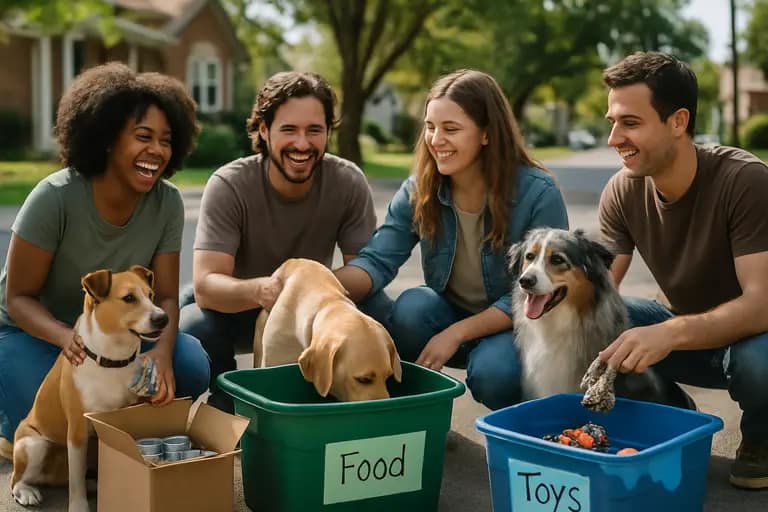
One reason National Pet Month felt encouraging is that it showed how many people can take part, even if they are not ready to adopt. Some families can foster. Others can donate supplies, give money, transport pets, take photos, write bios, clean kennels, or greet visitors at adoption events. Volunteer-powered adoption days often need many hands doing quiet tasks behind the scenes, as this related piece on pet adoption events explains.
If you want to help, start with your local shelter or rescue’s current needs. Ask before dropping off supplies. Some groups need towels; others are full of linens but short on wet cat food, enrichment items, or foster homes. If you are thinking about adoption, write down your daily schedule, budget, housing rules, and comfort level with training before you meet animals. That small step can prevent an emotional mismatch.
- Adopt thoughtfully: Choose a pet whose needs fit your household, time, and resources.
- Foster if you can: Even a short stay may give a shelter more space and better information about a pet.
- Volunteer locally: Events, transport, photography, laundry, and admin help can all support adoption work.
- Donate with purpose: Ask shelters what they need most before buying supplies.
National Pet Month Adoption Momentum
What The May 2026 Results Should Inspire
The May 2026 campaign proved that adoption momentum can grow when shelters, rescue groups, brands, and neighbors move in the same direction. National Pet Month brought close to 2,000 adoptions, but the bigger lesson is about repeatable community action. Sponsored fees, store events, register roundups, and local rescue expertise each did part of the work.
The future opportunity is to keep that spirit active after the calendar page turns. Adoption campaigns are strongest when they lead to year-round habits: fostering before a shelter is full, sharing adoptable pets before they are overlooked, asking good questions before adopting, and supporting rescue teams before they are stretched thin. Every community has pets waiting. Every community also has people who can help. The win is bringing them together with patience, honesty, and a rescue-first heart.