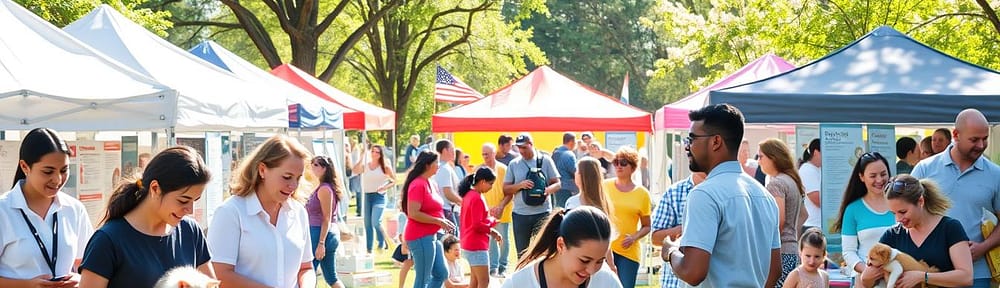
The gap between wanting to help animals and actually making a difference can seem huge. You have passion, volunteers, and a clear need in your community. But how do you turn that energy into a successful event that finds homes, raises funds, and grows a movement?
This isn’t just about setting up a few crates in a parking lot. It’s a masterclass in logistics, human psychology, and social engineering. It’s a community gathering with a big goal.
Forget the old bake-sale mentality. We’re not just setting up a table and hoping for the best. We’re building a data-driven, results-oriented operation. We’ll use strategies and metrics to save more lives, just like in political campaigns and nonprofits.
We’ll break down the perfect event, from the first idea to the final thank you. We’ll look at pioneers like Pima County Animal Care Center. They turned dreams into lifesaving reality. This is your guide to making your idea a success.
Ready to move from overwhelmed to organized? Let’s build your blueprint.
Define Goals & Format: The Event Architecture
Before you book a venue or order a single “Adopt Don’t Shop” banner, you must answer the fundamental question: what is this event, actually for? This isn’t just semantics; it’s the strategic blueprint that will dictate every decision that follows. Choosing the right format is the difference between a well-oiled adoption machine and a chaotic, stressful day of herding cats (and dogs, and bunnies). Your event’s format is its architectural blueprint, and you need to pick the right one for the foundation.
The ‘Why’ Before the How
Forget the logistics for a moment. Before you think about balloon arches or donation tiers, you need your case for support. This is your event’s “why,” the North Star that guides every decision. Pioneering shelters, like the Pima County Animal Care Center, have shown that a clear, compelling purpose is what turns casual interest into meaningful action. Your “why” can’t just be “to save animals.” That’s a given. Your “why” must be the specific, compelling story you’re selling: Is it about ending the shelter’s kennel crisis this month? Providing essential microchipping to a low-income community? Stocking the food pantry for the winter? That’s your case for support.
Choosing your event type is your first and most critical strategic decision. It’s the difference between a sniper rifle and a shotgun blast. Each format serves a distinct purpose and dictates your entire operational plan.
- The Adoption Fair: Your classic, high-energy, community block party for pets. This is a broad-spectrum approach, designed for high visibility and multiple on-site adoptions. It’s about volume and visibility.
- The Microchip Clinic: A targeted, service-oriented event. This isn’t about adoptions; it’s a targeted microchip clinic that solves a specific community need, builds immense goodwill, and serves as a powerful PR tool.
- The Supply Drive: The low-barrier, high-impact option. It’s a supply drive with a low barrier to entry for supporters. Perfect for engaging a wide network to collect tangible resources, from pet food to linens, that directly support the shelter’s daily operations.
- The Gala/Auction: The high-stakes, high-reward play. This targets the “fur-fluential” crowd. It’s a sophisticated, revenue-focused event where the “case for support” is translated into major gifts and high-value pledges.
Each format demands a different logistical beast. An adoption fair requires kennels, meet-and-greet pens, and a streamlined vet-check process. A supply drive needs a streamlined collection and sorting system. A microchip clinic requires a partnership with a local vet and a streamlined, high-capacity process. Choose the format that aligns with your primary goal: volume of adoptions (fair), community service (clinic), resource gathering (drive), or fundraising (auction). Get the architecture right, and the walls and windows become much easier to build.
Timeline (8–10 Weeks Out)
Think of your event timeline as a detailed plan for your community adoption event. It’s like a map that turns a bunch of ideas into a smooth operation. Without it, you’re just throwing a party and hoping for the best. With it, you’re leading a symphony of action where everything works together perfectly.
The Countdown to Chaos: Your Pre-Event Battle Plan
This isn’t just a to-do list. It’s your battle plan for the event, making sure you’re not scrambling at the last minute. You’re using strategies from politics and the military to plan with precision.
This is the “war room” phase. You’re not just planning an event; you’re building the foundation for success. Your mission is to:
- Secure Your Battleground (Venue & Permits): Lock down your venue and get all necessary event permits. This is your first defense against last-minute problems. You’ll also start your budget and choose your leaders.
- Blueprint the Battle Plan: Define your event’s goals. Is it a small adoption day or a big fundraising gala? The size of your event will guide every decision.
- Assemble Your War Council: Find your key leaders for logistics, marketing, and volunteers. A clear team is essential.
4-6 Weeks Out: The Activation Phase
This is when you go public with your plans. The planning is done; now it’s time to get your team and resources ready.
- Recruit Your Army: Start looking for volunteers. Use social media, community boards, and local businesses to find them.
- Activate Sponsors: Find the money you need. Reach out to donors, foundations, and businesses for support.
- Marketing & Outreach: Your marketing efforts should start now. Use social media, press releases, and flyers to get people excited.
2 Weeks Out: The Final Countdown
The final stretch is about making sure everything is ready. This phase is all about confirming details and getting ready for the big day.
- The Confirmation Blitz: Confirm everything. Make sure the venue, vendors, and volunteers are all set. Send out schedules and contact lists.
- Run-of-Show Finalization: Plan out the event minute by minute. Who speaks when? Where is the first-aid kit?
- Logistics Lockdown: Make sure parking, signs, and safety are all set. Do a final check of the venue with your team.
For a clear plan, use an 8-week timeline template. It helps keep your team on track.
This timeline is key to your success. Each step builds on the last, turning a good idea into a great event. Stick to the timeline, and you’ll go from chaos to a well-run event that helps animals find homes.
Partnerships (Shelters, Businesses, Schools, Media)
No event stands alone, and no advocate fights alone. The difference between a good event and a big movement is the team you build. Forget the lone hero image; successful events need a team effort.
Think of it like a heist movie. You need a mastermind (you), a safecracker (the shelter), a wheelman (a local business), and a grifter (the media). Each plays a key role, and everyone wins in terms of community goodwill.
Building Your Coalition of the Willing
Your partners are more than just donors. They are key players in your event’s success. Move from asking for help to building a strategic partnership. A clear, value-driven proposal gets a “yes.”
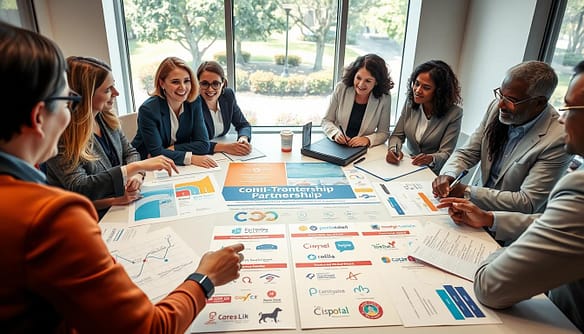
First, map your local community. Who cares about a more compassionate, engaged community? The table below is a strategic plan for your team.
| Partner Type | What They Offer | Your Offer (The Value Proposition) |
|---|---|---|
| Animal Shelters/Rescues | The stars of the show: adoptable pets, expert handlers, and on-site vet checks. | Massive public exposure, direct adopter leads, and a platform to highlight their life-saving work. |
| Local Businesses (Pet Store, Feed Store, Vet Clinic) | In-kind donations (food, supplies, gift cards), sponsorship cash, volunteer teams. | Positive PR, “purpose-driven” marketing, foot traffic, and being seen as a community pillar. |
| Local Media (Radio, Paper, Bloggers) | Free advertising, public service announcements, and a megaphone to the community. | A heartwarming, feel-good local story, community goodwill, and content for their “good news” segment. |
| Schools & Community Groups | Volunteer power, donation drives, and a built-in audience of future adopters. | Community service hours, a positive youth engagement story, and a tangible “win” for their members. |
How do you ask for help? Not with a desperate plea, but with a business proposal. For a pet store, propose they “Sponsor the Adoption Nook” and provide a “New Pet Starter Kit” for every adopter. For the media, offer them an exclusive story: the heartwarming journey of a once-homeless dog finding a home at your event. Your media kit should make it easy for them to say yes.
This is retail politics for a cause. Your ask must be as specific as your event permit application. Don’t ask a pet store for “support.” Ask them to provide 100 “New Pet Parent” goody bags. This shows you’re organized and value their contribution, turning a cost into a strategic marketing investment. This is how you transform sponsors into active, invested partners in your mission.
Permits, Insurance & Animal Welfare Safety
Let’s face it: permits, insurance, and safety are the basics of event planning. They might not excite you, but they’re essential. They ensure your event goes smoothly without legal or logistical issues.
This isn’t about following rules for the sake of it. It’s about doing good work without problems. Think of it as the rulebook that keeps your event from turning into a bad story.
The Boring (But Critical) Stuff That Prevents a Disaster
First off, the paperwork. Getting the right event permits is more than just a formality. It’s your agreement with local authorities to follow the rules. You won’t block fire lanes or overload the power grid.
The permits you need vary by location. So, it’s important to call your local clerk’s office. This is not optional; it’s a must.
Think of it like a lemonade stand. A small stand needs just a smile and a pitcher. But a big event needs a lot more. Your adoption event is like the big event.
The Insurance Safety Net
Insurance is like a safety net. It protects you from accidents. General liability insurance is a must. It covers you if something goes wrong.
Ask your insurance agent about a special event policy. It’s a short-term policy that covers your event. It’s like wearing a helmet; you hope you never need it, but it’s there if you do.
Animal Welfare: The Non-Negotiable Core
Animal welfare is at the heart of your event. It’s not just right; it’s your brand’s reputation. A stressed animal is a PR disaster waiting to happen.
Your event must have a mandatory animal welfare protocol:
- Quiet Zones: Create a low-traffic area for animals to escape the noise.
- Mandatory Breaks: Animals need breaks. Make sure they get a break every 1-2 hours.
- Handling Protocols: Have clear rules for volunteers on handling animals and stress signals.
- Veterinary On-Call: Have a vet’s number ready, and try to have a vet on-site or on-call.
Getting the right event permits and insurance is essential. It’s the price of doing this work right. It ensures your event is a success, not a cautionary tale.
Volunteer Roles & Run-of-Show
Your volunteers are the heart of your event. Without a clear plan, even the most eager helpers can turn into chaos. A well-organized structure is key to a smooth event.
Choreographing Controlled Chaos
Delegation is essential. You are the leader, and your volunteers are your team. Assign roles clearly and give each volunteer a specific task. This is not a free-for-all, but a mission with defined roles.
Here are the key roles you need to fill. Assign these early and make sure each volunteer knows who to contact for questions.
| Role | Primary Responsibilities | Key Traits |
|---|---|---|
| Volunteer Coordinator | Point person for all volunteers, manages check-in, hands out assignments, and troubleshoots. | Organized, calm under pressure, a people person. |
| Intake & Registration Lead | Manages the sign-in table, processes adoption applications, and verifies paperwork. | Detail-oriented, patient, and good with paperwork. |
| Animal Handlers & Kennel Crew | Responsible for animal care, feeding, and walking. They ensure animals are presentable and comfortable. | Comfortable with animals, calm demeanor, physically capable. |
| Adoption Counselor | Interviews, explains pet care, and facilitates meet-and-greets. | Excellent communicator, knowledgeable, empathetic. |
| Logistics & Runner | Manages supplies, runs errands, moves equipment, and is the “go-for” for any urgent needs. | Resourceful, energetic, and knows the local area. |
This document is your guide. It outlines the minute-by-minute plan for your event. Give it to team leads the day before. A detailed plan prevents confusion and ensures everything runs smoothly.
Sample Run-of-Show (Adoption Event Day)
- 6:00 AM – 7:30 AM: Load-in & Setup
- Logistics Team: Set up tents, tables, chairs, signage.
- Kennel Crew: Set up crates, water, and comfort stations for animals.
- Registration Lead: Sets up check-in table with waivers and name tags.
- 7:30 AM – 8:00 AM: Volunteer Briefing
- All volunteers meet for a 15-minute huddle. Review the run-of-show, safety protocols, and Q&A.
- 8:00 AM – 12:00 PM: Event Open
- Intake & Registration: Open for business.
- Adoption Counselors & Handlers: Begin scheduled meet-and-greets.
- Logistics Runner: Continuously restocks supplies and runs interference on any issues.
- 12:00 PM – 1:00 PM: Volunteer Lunch Shift Change
- Coordinated break for AM volunteers. PM shift arrives and is briefed.
- 1:00 PM – 4:00 PM: Peak Hours & Final Adoptions
- Peak visitor time. All hands on deck.
- Adoption Counselors focus on finalizing paperwork for successful matches.
- 4:00 PM – 6:00 PM: Wind Down & Breakdown
- Stop processing new adoptions to finalize paperwork.
- Volunteers begin clean-up and pack-up procedures.
- Final animal headcount and well-being check before transport.
This script turns chaos into a well-orchestrated event. When everyone knows their role, the event runs smoothly.
Marketing Kit (Flyers, Press Release, Social, Influencers)
Think of your event as the biggest movie premiere of the year. The red carpet is out, and the world is waiting. Your marketing kit is like a big promotional campaign. It’s not just a press release and a photo. It’s a plan to make your event the highlight of the weekend.
In today’s world, just posting a flyer won’t do. You’re not just announcing an event; you’re starting a story. This story needs to grab people’s attention.

Your event is like a new product launch. Your marketing kit is the whole campaign. The flyer is like a teaser trailer. The press release is like a big press event. Social media is your behind-the-scenes look. And influencers are like your celebrity endorsements.
This mix of marketing and storytelling is powerful. It turns your event into something people can’t miss. As a nonprofit strategist said, “You can’t expect people to give money if they don’t know about your work.” Your marketing kit helps bridge that gap.
The Hype Machine: From Flyers to TikTok
Don’t use a one-size-fits-all approach. Your marketing should be a mix of different channels. Each one should have its own role in your campaign.
The Professional Media Kit: Your Press Pass
This is your formal introduction to the world. It’s not just a creative project. It’s a professional media kit that makes things easy for journalists and sponsors. It should have everything they need in one place.
- High-resolution assets: Clear logos, good photos of pets, and shots of the event space. Make it easy for them to create content.
- Your “boilerplate”: A short, one-paragraph “About Us” that tells your story and mission.
- Key Event Details: The 5 Ws (Who, What, When, Where, Why) in a simple, easy-to-read format.
- Notable Quotes: A quote from your director or a heartwarming success story. Give them a quote they can use.
- Contact Information: A person to contact for media, with phone and email.
This isn’t just a folder of files. It’s a credibility kit. For sponsors, it shows you’re organized and professional. For the media, it’s a ready-to-go story, increasing your chances of coverage.
The Social Media Symphony
Social media is your constant hype machine. Each platform is like a different instrument. A 55% conversion rate from social engagement to action is a statistic you can’t ignore. Your content calendar should be a mix of different types of content.
- Heartstring Content: “Day in the life” videos of a shelter pet, before-and-after adoption stories, and “Meet the Foster” Q&As.
- Practical & Promotional: Countdown posts, volunteer spotlights, and “What to Expect at the Event” reels.
- User-Generated Content: A unique event hashtag to encourage attendees to share their own photos.
Influencers are your secret weapon. A local food blogger or a micro-influencer with a well-behaved rescue dog has more authentic pull in your community than a generic ad. Their endorsement is like modern-day word-of-mouth.
Crafting Your Narrative
Every great campaign has a story. You’re not just moving animals from a kennel to a couch. You’re writing redemption stories. Your media kit and social posts should all tell this story.
Is your event a “Clear the Shelters” blitz? A “Home for the Howlidays” special? That’s your hook. Share data like “We’ve saved 1,000 pets, and with your help, we can make it 1,050.”
| Channel | Primary Goal | Content Example | Target Audience |
|---|---|---|---|
| Facebook/Instagram | Emotional Engagement & Event Updates | Reels of pets, “Pet of the Week” features, Live Q&As with staff. | General Public, Local Community |
| Email Newsletter | Drive Ticket/RSVPs & Deep-Dive Stories | Exclusive adoption success stories, volunteer sign-ups, sponsor spotlights. | Donors, Volunteers, Core Supporters |
| Local Press & Radio | Mass Awareness & Credibility | Press release, human-interest story pitches, event calendar listings. | General Public, Possible Sponsors |
| Influencer Collab | Authentic Reach & Trust | Takeover of a local pet influencer’s Instagram story for a “day in the life” at the shelter. | Younger, Social Media-Savvy Audience |
In the end, your marketing kit is more than a to-do list. It’s the strategic narrative engine for your event. It turns a simple adoption fair into a must-see event. It’s the difference between a whisper and a rallying cry. So, craft your story, arm your ambassadors, and get ready for the spotlight.
The Day of Reckoning: Mastering the Beautiful Chaos
Welcome to the main event. The sun is up, and everyone is buzzing with excitement. This is the day your planning either comes together or falls apart. The key is in the logistics.
Today, you’re a maestro, a traffic cop, and a zen master. Your event permits are your legal pass, but they don’t control the chaos. That’s your job.
Choreographing the Flow: People, Pets, and Porta-Potties
Think of your event site as a living organism. Traffic must flow smoothly. Where do cars and people go? Where are the dogs, cats, and porta-potties?
First, plan the traffic flow. It’s not a suggestion; it’s the law. Use signs and volunteers to guide everyone. Avoid any furry standoffs.
Sanitation is also key. Place waste stations and recycling bins carefully. A well-placed porta-potty is a big help.
The quiet zone is where the real magic happens. It’s a low-traffic area with water, beds, and a “no photos” rule. It’s where stressed animals can relax. This zone shows your event’s empathy.
Remember, your event permits and insurance protect you. But your logistics are what make the event special. Today, you’re creating a joyful, barking, meowing symphony.
Post-Event Metrics & Stewardship
The event is over, but the real work has just started. This phase is not about cleaning up. It’s about using the momentum to create lasting change. You need to collect data and build personal connections to make a real difference.
The Follow-Through: More Than a Thank-You Note
Don’t forget about the follow-up. It’s what turns advocacy into real change. This phase is key to creating a lasting movement. You need both hard data and personal connections to succeed.
Let’s talk about numbers first. In politics, you can’t manage what you don’t measure. The same goes for your event. This data is for your board report and future sponsors.
The Post-Event Scorecard: What to Measure
This isn’t about vanity. It’s about getting real data to improve. The table below shows the important data points for understanding your event’s impact.
| Metric Category | What to Track | Why It Matters | Actionable Insight |
|---|---|---|---|
| Impact Metrics | Animals adopted, microchips registered, pounds of food donated, vaccines administered. | Quantifies your direct, tangible impact. This is your “mission accomplished” data. | Use for grant applications, annual reports, and press releases. Hard numbers build credibility. |
| Financials | Total funds raised, average donation size, cost per attendee, in-kind donation value. | Reveals financial health and efficiency. Are you a fundraising or a “friend-raising” event? | Informs next year’s budget and pricing strategy for vendor booths or tickets. |
| Engagement Data | Total attendance, new volunteer sign-ups, new donor emails captured. | Means your message is spreading. A growing list is your most valuable asset. | Builds your community for future events and fundraising. |
| Operational KPIs | Volunteer hours logged, cost per adoption, social media reach. | Measures internal efficiency and marketing punch. Did the effort match the outcome? | Helps streamline future planning and resource allocation. |
The story doesn’t end with a spreadsheet. The data is the “what.” Donor stewardship is the “who” and the “why.” This is the art of the follow-up. A generic “thank you” blast is a missed connection. Donor stewardship is a political campaign’s secret weapon: a volunteer today is a donor tomorrow. Segment your list.
The corporate sponsor who wrote a $500 check doesn’t want the same email as the teen who volunteered for the first time. The major sponsor gets a handwritten note, a photo of the kennel their money helped refurbish, and a specific impact report. The new volunteer gets a personal email with a candid, joyful photo of them in action at the grill or the welcome tent. This isn’t just politeness; it’s strategic relationship management. You’re not just thanking them; you’re making them a co-author of the event’s success. This level of personalized donor stewardship transforms one-time supporters into lifelong advocates.
Ultimately, the goal is to move the needle from a single event to a sustained campaign. The data proves your impact, but the human connections you nurture afterward build the army you’ll need for the next one. Measure everything, thank everyone personally, and turn a successful event into a lasting legacy.
Mini Case Study: The Community Rally Success
Let’s dive into the details. Forget the theory and look at the numbers. A community aimed to save a beloved parkland for $3.5 million in just 10 weeks. They didn’t follow the usual path of a gala or a capital campaign letter. Instead, they created a grassroots movement that raised $2.5 million in 10 weeks.
This wasn’t luck. It was a masterclass in understanding that people give to experiences they feel a part of.
Deconstructing a Win
The magic wasn’t in one big event. It was in the many small ones. They tried everything: potluck dinners, 5K fun runs, celebrity poetry slams, and yes, kids selling lemonade. This wasn’t just a fundraising campaign. It was a community organizing effort that happened to raise money.
The strategy was to create a mosaic of giving opportunities. They understood their community’s “giving language.” Every contribution, big or small, was important. From a lemonade stand to a corporate matching gift, each act was a tile in the larger picture of success.
This approach made the effort less risky. Instead of relying on one big event, they had many smaller ones. The strategy was distributed, just like the risk. The table below shows how this “mosaic” worked in practice, turning community spirit into a powerful fundraising engine.
| Event/Initiative | Scale & Reach | Primary Goal | Donor/Volunteer Experience |
|---|---|---|---|
| Micro-Donation Drives (Lemonade Stands, Bake Sales) | Hyper-local, neighborhood level. Engaged families, children, and local foot traffic. | Broaden the donor base, foster micro-community pride, and generate low-dollar, high-volume support. | Low barrier to entry, creates a sense of ownership and direct contribution for all ages. |
| Community Challenges (5K Run, Bike-a-thon) | Community-wide, peer-to-peer driven. Engages networks of participants. | Raise funds and awareness simultaneously; taps into peer-to-peer fundraising power. | Creates a sense of shared, active participation and friendly competition. |
| Major Donor & Corporate Dinners | Intimate, high-touch. 20-50 key individuals or corporate partners. | Secure large, anchor gifts. Focus on impact and legacy naming opportunities. | Provides a high-touch, exclusive experience for top-tier supporters. |
| Cultural/Community Events (Poetry Readings, Concerts) | Broad community appeal, leveraging local artists and talent. | Engage different demographics, raise funds through ticket sales and auctions. | Builds community spirit and connects the cause to local culture and arts. |
The real lesson of the parkland case study isn’t just the $2.5 million. It’s the low-overhead, high-engagement model that got them there. They didn’t just ask for money; they created a story so compelling and participation so easy that giving was the obvious choice. They didn’t have a fundraising department; they had a community.
This is the grassroots model: low overhead, distributed action, and a story so good you can’t help but buy a metaphorical cup of lemonade. It proves you don’t need a massive non-profit machine to move mountains. You need a clear goal, a story that resonates, and a mosaic of ways for everyone to see themselves as the hero of the story.
Local Venues, Sponsors & Sign-Up Links
You’ve got the will, the plan, and the passion. Now, let’s put it into action. This isn’t just a to-do list; it’s a plan of action. You have the intel on local venues, the pitch for sponsors, and a smooth path for volunteers.
Your Local Venue Hit List
Forget cold-calling random halls. The best venues are often right in front of you, waiting for a good cause. You’re not just looking for a room; you’re looking for a partner with a community footprint. Think like a city planner with a budget of zero.
Start with community centers and public library meeting rooms. They’re affordable, accessible, and often have reduced rates for non-profits. Next, look for pet-friendly breweries or taprooms with event spaces. They attract a crowd that’s already in a good mood and open to social causes. Don’t overlook local park district facilities or the event space at a cooperative grocery store. Even a large, pet-supply store might donate their community room for a weekend. Your goal isn’t the fanciest space, but the most visible and accessible one. Think foot traffic, parking, and a vibe that says “community hub.”
Crafting a Sponsorship Package That Doesn’t Suck
Asking for money is awkward. Asking for an investment in community goodwill is strategy. Ditch the generic “sponsor our event” plea. Build a tiered sponsorship package that offers real value, not just a logo on a banner.
- Gold Level (The Headliner): Top billing in all media kit materials, prime logo placement on event day, 5 social media features, and a “Presented by [Their Business]” on all signage. Price: A significant, but high-value investment.
- Silver Level (The Anchor): Logo on all promotional materials, recognition in the event program, and 3 social media features. Price: A solid mid-tier investment.
- Bronze Level (The Community Pillar): Name listed on event website and thank-you signage. Price: An accessible entry point for local shops.
Your media kit for these sponsors isn’t a PDF of clipart. It’s a one-pager: Who you are, the event’s projected reach, and a clear menu of what their money buys (e.g., “A Silver sponsorship feeds 10 shelter animals for a month”).
The “No-Fluff, Just Results” Sponsorship Pitch
Forget the five-paragraph email. Sponsors are busy. Hit them with clarity. Here’s a template you can adapt:
Subject: A Partnership Proposal for [Sponsor’s Business Name] from [Your Organization]
Hi [Sponsor Contact Name],
We’re [Your Organization], and on [Date], we’re hosting [Event Name], a community adoption event aiming to find homes for [Number] animals. We’re inviting a select group of community pillars, like [Sponsor’s Business Name], to be a foundational sponsor.
Your [Gold/Silver/Bronze] partnership would directly support [specific outcome, e.g., “vaccinations for 50 animals”]. In return, you’ll receive [list top 2-3 benefits from their tier].
May I send over our one-page prospectus?
Best,
[Your Name]
See? No fluff. Just value, impact, and a clear next step.
The Volunteer On-Ramp: Removing Friction
The final gate between a willing soul and your event is a clunky sign-up process. Annihilate that friction. Your call for volunteers shouldn’t be a scavenger hunt.
Create a single, clean, mobile-friendly sign-up form. Use a free tool like Google Forms or a dedicated volunteer management site. The link should be everywhere: social media posts, your email signature, the footer of your media kit. The ask is simple: “We need 30 volunteers. Shifts are 2 hours. Sign up for your spot here.”
This isn’t a conclusion. It’s a launchpad. Your local venue is waiting, a tiered sponsorship package is drafted, and a clean, dummy-proof sign-up link is ready. The playbook is active. Your move.
Advocate Action Steps
You’ve got the playbook. Now it’s time to stop planning to plan. Think of your event as a political campaign for compassion. Victory means a full venue, a cleared shelter, and a community united. Your first step is to open a new document and title it “Event Master Plan.” Do it now. This is your war room.
Your Post-Read To-Do List
This Week
Your mission this week is to build momentum. First, open that blank document and title it “Event Master Plan.” Right now. Second, find one partner—a local shelter, a pet supply store, or a sympathetic influencer. Draft the email. Third, block 30 minutes to research one permit requirement for your town. This isn’t planning. This is action.
This Month
Move from planning to active logistics. Finalize your core team and confirm your key sponsors. Draft the first version of your run-of-show and start building your media kit. Is it an adoption fair or a supply drive? Secure the venue and date. This is when your event stops being an idea and starts being a project with a deadline.
This Quarter
Execute. Launch your supply drive or host that microchip clinic. Your donor stewardship begins the moment you get a “yes.” Every detail, from the run-of-show to volunteer coordination, must be as meticulously planned as a political ground game. Remember, as seen in effective policy advocacy, the coordination between planning and public engagement is critical for success. For a deeper dive into turning policy into practice, the framework from the Advocacy Incubator highlights that success requires both a solid plan and public support.
This isn’t just an event; it’s a campaign. And the most compassionate platform wins.