
Maryland pet surrenders are not just a shelter statistic. They are a community signal: families are under strain, shelters are stretched, and pets need more people willing to help before a crisis becomes irreversible.
As of September 14, 2026, the strongest statewide context in the supplied research comes from Maryland’s Fiscal Year 2025 reporting period, which covered July 2024 through June 2025. That report did not describe one single cause. It pointed to connected pressures: more shelter intake since 2021, rising dog intake, longer shelter stays, cost burdens, and veterinary access challenges.
That matters because surrender prevention is not about blaming people. Many guardians reach the shelter door after rent changes, pet restrictions, loss of income, transportation barriers, or care costs have already narrowed their choices. A compassionate response starts by asking, “What support would have helped earlier?”
For shelters, rescues, fosters, adopters, landlords, veterinarians, donors, and neighbors, the call is shared. Maryland’s animals need more open homes, yes. They also need stronger community systems that help safe, loved pets remain with their families whenever possible.
Why Maryland Pet Surrenders Are Rising
Maryland Pet Surrenders In The Official Data
The Maryland Spay and Neuter Grants Program Annual Report for Fiscal Year 2025 documented a steady increase in shelter intake numbers since 2021, including a pronounced rise in dog intake and longer lengths of stay Maryland FY2025 report. Those are not small operational details. Longer stays mean kennels and foster homes turn over more slowly. Rising dog intake can require more space, more trained handlers, more cleaning, more food, and more placement support.
Maryland pet surrenders should be understood inside that wider pattern. If more animals are entering care and staying longer, even a shelter with dedicated staff can run out of flexible space. A kennel that was meant to be temporary becomes a bottleneck. A foster home that could take one emergency dog may still be caring for the last one. A rescue partner may be willing but full.
The FY2025 report also identified factors that strain both shelters and pet owners, including increased care costs, supply costs, and veterinary shortages state shelter report. For guardians, those pressures can turn a manageable pet need into a crisis. For shelters, the same pressures raise the cost of each intake and slow the path to adoption or return-to-owner.
The Human Side Of Shelter Intake
Every surrender form has a backstory, even when the shelter staff has only minutes to hear it. Some people arrive ashamed. Some are grieving. Some are angry because they feel trapped. Some truly did wait too long to seek help, but many simply did not know help existed.
This is where community tone matters. Public shaming may feel satisfying, but it rarely keeps pets safe. It can make struggling families hide problems until a situation is far harder to solve. A better response is practical and direct: share food pantry information, foster options, low-cost spay and neuter resources, pet-friendly rental leads, and local shelter wish lists.
Maryland pet surrenders are often discussed as shelter capacity problems. They are also prevention problems. The earlier neighbors, social service providers, landlords, and animal welfare groups can connect people with support, the more options remain open.
What Families Need Before A Surrender
Cost, Care, And Veterinary Access
Responsible pet ownership includes planning for food, routine care, safe containment, identification, and emergency decisions. Yet even careful guardians can be hit by sudden expenses. A job loss, a rent increase, or a transportation problem can make ordinary pet care feel out of reach.
Communities can respond without pretending every situation has an easy fix. Pet food banks, short-term boarding support, vaccination clinics, and spay and neuter funding can reduce pressure before a shelter intake is needed. For health concerns, families should speak with a licensed veterinarian; community articles and neighbors cannot diagnose, treat, or replace medical care.
Spay and neuter access is especially connected to shelter prevention. It can reduce accidental litters, ease future intake pressure, and help families avoid being overwhelmed by more animals than they can safely support. Maryland’s state grant program is one policy tool aimed at that prevention work, and local awareness helps residents find services before crisis hits.
Housing Pressure And Pet-Friendly Choices
Housing is one of the hardest surrender drivers because a loving family may still have no legal place to keep a pet. Pet restrictions, high rental costs, and evictions have been identified by shelters as reasons animals are surrendered, and Prince George’s County’s public FAQ also shows how easily shelter work can be reduced to harsh online labels rather than the housing and intake pressures behind many outcomes county shelter FAQ.
Landlords and property managers can be part of the solution. Clear pet policies, reasonable fees, breed-neutral screening, and support for responsible guardians can keep families together. Tenants can help by preparing pet resumes, references, vaccination records, training class notes, and proof of renter’s insurance when appropriate. None of that solves the full housing shortage, but it can lower friction one lease at a time.
Neighbors can help too. If someone is facing a move, a temporary foster arrangement through a legitimate rescue or shelter partner may give them time to find pet-friendly housing. If that is not possible, early, honest contact with a shelter gives staff more time to plan than a same-day emergency surrender.
How Neighbors Can Support Shelters
Adopt Or Foster With A Plan
Adoption is powerful when it is thoughtful. A shelter pet needs more than an empty spot in the home. They need time to decompress, appropriate introductions, clear routines, safe equipment, and a family willing to ask for help. If children, resident pets, landlords, or travel schedules are part of the household, those details should be discussed before adoption day.
Fostering is just as valuable. A foster home can open a kennel, give staff better insight into a pet’s personality, and help adopters picture that animal in a real home. Short-term fostering, weekend fostering, and emergency fostering can all matter, depending on the shelter’s program. For readers thinking about capacity pressure across local shelters, our related piece on shelter overcapacity shares practical ways families can help without overcommitting.
Good rescue support also means being honest about limits. A foster who can safely handle a quiet adult cat should not feel pressured into taking a high-energy dog. A first-time adopter should be encouraged to choose a match they can support, not the animal with the saddest photo. Sustainable help saves more lives over time.
Give Help That Keeps Pets Home
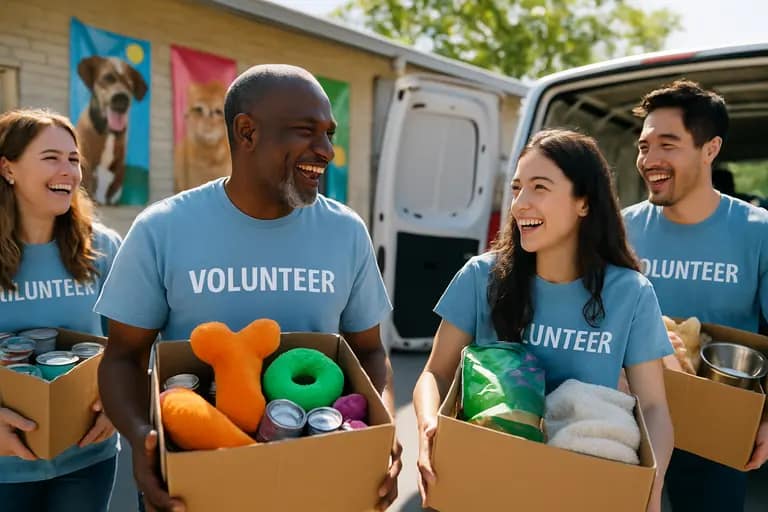
Not everyone can adopt or foster. That does not make their help smaller. Shelters often need transport volunteers, laundry help, enrichment supplies, pet food donations, administrative support, and community outreach. Rescues may need people who can photograph animals, write bios, answer adoption emails, or drive pets to approved appointments.
Prevention work deserves the same energy as adoption drives. A bag of cat food given to a pet pantry may keep a senior cat out of the shelter. A crate donated to a family in transition may help them meet housing requirements. A ride to a low-cost clinic may prevent an accidental litter. These are quiet acts, but they can change the direction of a pet’s life.
- Ask before donating: Shelters know whether they need food, towels, carriers, cleaning supplies, or funds most urgently.
- Support verified groups: Work with official shelters, established rescues, or programs with clear adoption and foster practices.
- Share pets responsibly: Use accurate details, avoid panic language, and direct people to the shelter’s official adoption page.
- Prepare before adopting: Budget for care, confirm housing rules, and plan slow introductions with resident pets.
- Speak up for pet-friendly housing: Encourage policies that reward responsible guardians instead of excluding families automatically.
Maryland Pet Surrenders Need Community Action
Maryland pet surrenders cannot be solved by shelters alone. The shelter is often the last stop after other supports have failed or were never offered. That is why the strongest response is local, practical, and humane.
For families, that means asking for help early and planning honestly before bringing a pet home. For adopters, it means choosing with both heart and readiness. For fosters, it means giving temporary safety without taking on more than they can manage. For donors and volunteers, it means funding prevention as well as placement.
For the wider community, the message is simple: treat surrender prevention as animal welfare work. A pet who stays safely with a prepared family has been helped. A pet who enters a shelter and finds a responsible adopter has been helped. A shelter worker who has one more foster, one more kennel, or one more bag of food has been helped too.
That is the work in front of Maryland now. It is not glamorous. It is neighbor-to-neighbor care, repeated often enough to become a safety net.