
Video Pet Listings turned into one of the clearest adoption lessons of 2026: people need more than a sweet face to imagine a pet at home. On August 3, 2026, Adopt a Pet reported that, after analyzing more than 2.5 million pet listings added during the prior year, pets with a video received 75% more adoption interest on average, with the increase reported as statistically significant at p < 0.05. As a foster advocate, I read that number with both hope and caution. Hope, because more eyes on adoptable pets can open more doors. Caution, because interest is only the first step toward a safe, lasting match.
A good adoption profile is not advertising in the cold sense. It is a promise to represent an animal fairly. Video can help shelters, rescues, and foster caregivers tell that story with care: how a dog greets a familiar handler, how a cat explores a room, how a shy pet relaxes after a little time. Those moments can answer questions a still photo cannot, while still leaving room for honest conversations about needs, routines, and fit.
Why Video Pet Listings Matter For Adoptable Pets
Video Pet Listings Show Everyday Behavior
Still photos can be beautiful, but they freeze one second and ask adopters to fill in the rest. A video gives movement, rhythm, and context. A dog who looks intense in a kennel photo may look gentle and curious while walking beside a volunteer. A cat who hides for the camera may show interest in a toy once the room is quiet. That difference matters because many adopters are not only choosing a look; they are trying to picture daily life.
Research supports the idea that video changes perception. In a study on dog adoption materials, dogs shown in short videos were perceived as more friendly, intelligent, and gentle, and less dominant or aggressive, than dogs shown in photographs, according to the PubMed-indexed study. That does not mean every video makes every pet look easy. It means movement can give viewers a fuller impression, especially when the clip is honest and calm.
A November 2024 study looking at Facebook posts from 13 U.S. animal shelters found that media type affected public engagement, while videos were used less often than photos; the same study reported that animals shown in home environments drew higher engagement than animals shown in cages, according to the public engagement study. For foster homes, this is a gentle reminder: the living-room moment, the hallway walk, the quiet sniff of a toy can all be meaningful storytelling.
Interest Is Not The Same As A Match
The best Video Pet Listings give adopters useful clues without turning pets into performers. Adoption interest is encouraging, but it should lead to better questions, not rushed decisions. A family still needs to ask about energy level, household fit, introductions with other animals, grooming needs, costs, training support, and any health notes shared by the shelter or rescue. If a medical concern is raised, the right next step is guidance from a licensed veterinarian, not guesswork from a clip.
That distinction protects pets. A video may help someone fall in love, but responsible adoption asks whether that love can be backed by time, patience, housing stability, and care. Rescue work is community work, and community work depends on truth.
What Adopt A Pet Reported On Video Listings
A Large Listing Sample Gives Shelters A Practical Signal
Adopt a Pet’s August 3, 2026 report stood out because of the scale: more than 2.5 million listings added during the previous year. Their finding that pets with video received 75% more adoption interest gives shelters and rescues a practical signal. A video is not simply a nice extra. It may be one of the simplest ways to help an overlooked pet be noticed by the right person.
For rescues, Video Pet Listings create a bridge between the shelter floor, the foster home, and the adopter’s couch. They can soften assumptions. They can show that a senior pet still enjoys a stroll, that a large dog can settle after greeting, or that a reserved cat may want quiet companionship rather than constant handling. None of that guarantees an adoption, but it can help a person ask, “Could this pet fit our life?” instead of scrolling past.
Why Shelters May Still Underuse Video
The same 2024 shelter social media research found that, among 592 posts, 145 used video. That suggests many organizations may still be leaning heavily on photos, even while research points to video as a stronger tool for engagement. The reasons are understandable. Shelter teams are busy. Volunteers may not know what to film. Foster caregivers may worry that their home is not polished enough. Staff may be concerned about showing a pet on a hard day.
That is where compassionate standards help. The goal is not a glossy production. The goal is a fair glimpse. For readers following broader adoption planning, our community has also covered adoption-minded listing trends, which connect online visibility with more prepared rescue-first choices.
How Rescues Can Create Honest Helpful Clips
Keep The Story Clear And Kind
Good Video Pet Listings respect both sides of the adoption equation: the pet’s dignity and the adopter’s need for clear information. A useful clip can be simple. Film in good natural light if available. Let the pet move at a comfortable pace. Show normal behavior rather than pushing for tricks or excitement. If a foster caregiver is present, gentle interaction can help viewers understand scale, comfort level, and social interest.
- Show context: A short walk, a quiet room, toy interest, or calm time near a caregiver can say more than a posed shot.
- Stay truthful: If a pet is shy, say so kindly. If the clip shows a warm-up period, that can help adopters prepare.
- Avoid pressure: Do not force handling, greetings, costumes, or noisy settings to create a more dramatic clip.
- Add practical notes: Captions or profile text can explain what the viewer is seeing, such as a foster home setting or a supervised play moment.
Honest video is a form of advocacy. It says, “This pet is worthy as they are.” That message is powerful for animals who do not show their best selves in kennels or during busy adoption hours.
Protect The Pet From Pressure
Some pets need time before a camera feels comfortable nearby. Others may be recovering from stress, adjusting to foster care, or learning new routines. A rescue-first video plan should honor that. If the pet looks worried, the kind choice is to pause. If the pet has a health concern, the shelter or rescue should follow veterinary guidance before filming or describing the issue publicly.
Video should never be used to hide needs. A pet who needs a quieter home, a slower introduction plan, or ongoing training support deserves a profile that says so. That kind of honesty may narrow the audience, but it strengthens the match.
What Adopters Should Watch For In A Video
Look For Context, Not Perfection
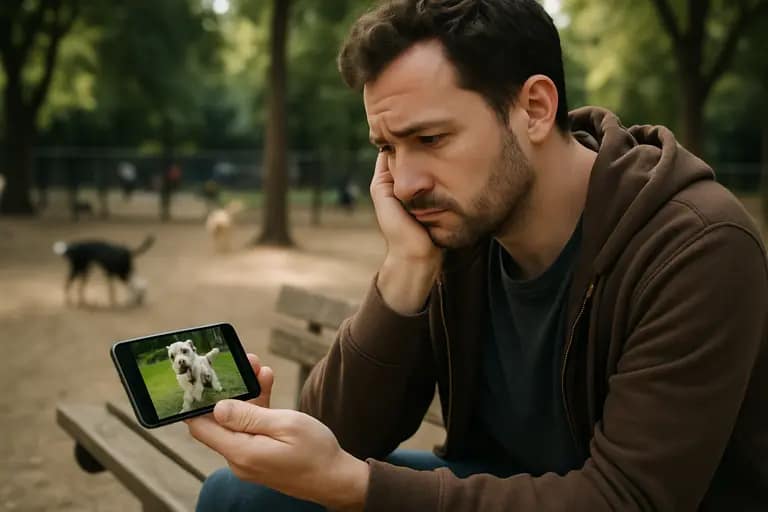
Adopters can use video wisely by watching for context rather than perfection. Is the pet in a foster home, a shelter room, or an outdoor space? Is the clip calm or highly stimulating? Does the pet have room to choose whether to interact? A wagging tail, a relaxed stretch, a curious sniff, or a pause before approaching can all offer clues, but none should be treated as a full behavior report.
After viewing Video Pet Listings, adopters should follow up with human questions. Ask what the shelter or foster has seen over time. Ask how the pet handles routine changes, visitors, leash walks, play, rest, and alone time if that information is known. Ask what support is available after adoption. The goal is not to find a flawless pet. The goal is to find a pet whose needs can be met with care.
Ask Better Questions After Watching
A video can help a family move from “cute” to “compatible.” That shift is healthy. It invites adopters to think about schedules, budgets, housing rules, other pets, children, and long-term care. It also helps adopters notice pets they might otherwise miss: the older dog with soft eyes, the quiet cat who needs time, the bonded personality that shines only once movement enters the story.
For shelters and rescues, those better questions can save time too. Instead of starting from a blank profile, staff and volunteers can refer to the clip and talk through what it shows. That makes the adoption conversation more grounded and more humane.
Video Listings And Adopt A Pet Adoption Interest
Turning Attention Into Responsible Homes
Used with care, Video Pet Listings help adoptable pets be seen as living companions rather than static profiles. Adopt a Pet’s 2026 finding on adoption interest gives rescues a strong reason to add video where they can, while the peer-reviewed research reminds us why it works: movement, setting, and interaction can shape how people perceive adoptability.
The real win is not a bigger number on a dashboard. It is a better first conversation, a more prepared adopter, and a pet whose personality has been represented with kindness. If every shelter volunteer, foster caregiver, and adopter treats video as a truth-telling tool, more pets get a fair chance to be understood before they are chosen. That is the kind of adoption storytelling our communities need.