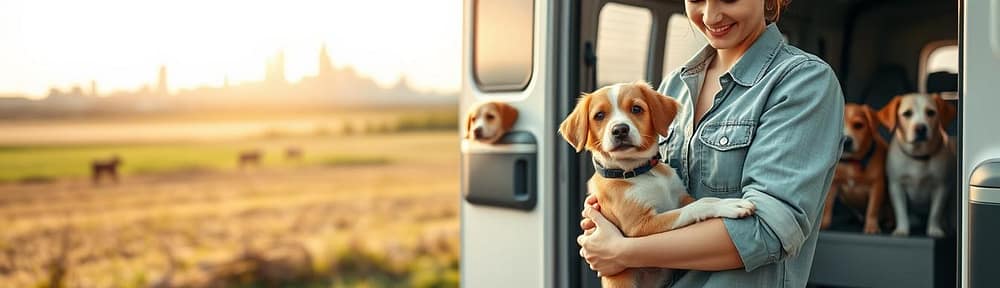
A big economic factor affects animal welfare today. There’s a big difference in the number of pets available and those looking to adopt. Shelters in the U.S. face different challenges based on where they are.
In New England, places like the Dakin Humane Society in Massachusetts see a lot of people wanting to adopt. They often have more than enough pets to go around. On the other hand, shelters in West Texas and Kentucky are always full.
This situation creates a problem. Shelters with too many pets need help getting them to places where people want to adopt. Animal transport is the solution to this issue.
Rescue transports and transport and placement rescue groups play a key role. They act like a supply chain. They move pets from places with too many to places that need them.
Regulatory and Health Requirements
Moving rescue animals across state lines is a big task. It’s regulated by health and legal rules. These rules help keep animals safe and prevent diseases.
Each state has its own rules. This means groups must carefully follow each state’s laws. For example, Maine requires a special permit for dogs coming in. Dogs over six months must stay in a licensed place for 48 hours.
Maine also checks for heartworm, Lyme disease, and ehrlichia. A vet must do these tests before travel. The results must be documented.
In Massachusetts, a health certificate from a vet is needed. This certificate must show the animal is healthy.
When animals arrive in Massachusetts, they must stay for 48 hours. If one animal gets sick, all must stay for two weeks. This rule helps stop diseases from spreading.
These strict rules are in place for good reasons. They stop diseases from spreading. They also help track where animals come from.
These rules can be hard for shelters and rescues. They cost more, take more time, and are hard to manage. But, everyone agrees they are necessary for doing the right thing.
| Regulatory Aspect | Maine Requirements | Massachusetts Requirements |
|---|---|---|
| Pre-Transport Documentation | Import permit required; Proof of negative tests for heartworm, Lyme, ehrlichia. | Official health certificate issued by a licensed veterinarian. |
| Post-Arrival Holding Period | 48-hour hold for animals over six months. | 48-hour standard quarantine for all animals. |
| Disease Response Protocol | Individual animal treatment based on test results. | Two-week quarantine for entire transport if one animal shows illness. |
| Primary Regulatory Focus | Preventing introduction of specific tick-borne and parasitic diseases. | Containing possible infectious disease outbreaks through isolation. |
Following these rules is key for rescue groups. It makes sure animals are safe and healthy. The system may be complex, but it’s essential for protecting everyone involved.
Breed Demand by Region
Where you live affects which dogs people want to adopt. In cities, people often choose small dogs like Chihuahuas. This is because they fit well in small spaces.
In contrast, rural areas have more room for bigger dogs. Dogs like hounds and pit bulls are common here. They need more space and love to move around.
This difference creates two different markets for dog adoption. Rescue groups help move dogs from one place to another. They act as a bridge between these markets.
- Urban/Northern Demand: High for small, low-shedding, and apartment-friendly dogs. These breeds are often described as “prized in cities.”
- Rural/Southern Supply: High for larger, active breeds like Beagles, Australian Shepherds, and mixed-breed dogs. These dogs are readily available but face lower local adoption demand.
Good programs use data to help dogs find homes. They don’t just move dogs anywhere. They match dogs with places where they are most wanted.
This way, rescue groups help dogs find the right homes. They aim to reduce overcrowding in shelters. This makes sure more dogs get adopted.
Travel Stress and Temperament Considerations
Long-distance animal transport is stressful for animals. It can harm their health. Animals feel stressed due to being confined, moving, and being in new places. This stress weakens their immune system, making them more likely to get sick.
To help animals, it’s important to choose them wisely before transport. Shelters should pick animals that are calm and confident. These animals are less stressed during travel.
Animals that are easy-going and confident do better on trips. They are less anxious and stressed. This means they are healthier during travel.
| Temperament Trait | Description | Suitability for Long-Distance Transport |
|---|---|---|
| High Confidence | Animal shows curiosity, approaches new people/objects without fear, recovers quickly from mild startling. | High |
| Adaptability | Tolerates changes in routine, environment, and handling with minimal signs of distress. | High |
| Low Reactivity | Does not excessively bark, hiss, or lunge in response to stimuli; remains relatively calm. | High |
| Moderate Shyness | Initially cautious but warms up with gentle, patient interaction. | Medium (with careful handling) |
| High Fear/Aggression | Consistently avoids contact, hides, or displays defensive/offensive aggression when approached. | Low (not recommended for standard transport) |
Choosing the right animals is just part of keeping them safe. It’s also important to do health checks before transport. These checks make sure animals are healthy before they travel. This helps prevent diseases from spreading during the trip.
A study on animal transport stress shows stress can make animals sick. Skipping health checks is risky. An animal with a disease can make others sick in a transport vehicle.
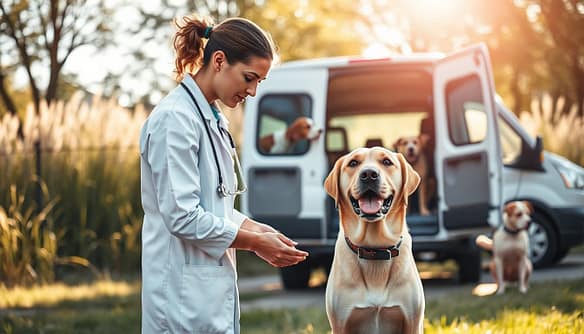
Such an outbreak could lead to a quarantine at the destination. This would ruin the goal of moving animals efficiently. So, health checks are essential. They keep animals safe, the shelter population healthy, and the relocation effort successful.
Matching Algorithms and Foster Networks
The success of large-scale animal rescue operations depends on two key things: data-driven matching systems and foster care. These elements are the backbone of modern animal relocation. They turn a chaotic process into a smooth, predictable one.
Matching algorithms look at many factors like breed, size, age, and temperament. They also consider medical history. These algorithms match this data with adoption demand in different cities. The goal is to find a quick, permanent home for each animal.
Software platforms play a big role in this process. Organizations use special systems to track animals. These systems keep health records, behavioral notes, and transport schedules. This digital setup helps coordinators manage many animals at once.
Logistical models like the hub-and-spoke system help move animals efficiently. St. Hubert’s Animal Welfare Center uses this model. Animals from many shelters meet at a central “hub” and then go to different places. This cuts down travel distance and cost.
Online adoption portals are also key. They list animals for foster and adoption before they arrive. This lets people in the destination area apply online. It makes the adoption process much faster.
Foster networks in the destination areas are vital. They provide a home for animals right away. This home environment helps animals adjust and increases their chances of being adopted.
The mix of digital tools and human networks makes things efficient. The table below shows the main parts of this system.
| Component | Description | Primary Benefit |
|---|---|---|
| Matching Algorithms | Data-driven software that pairs animal profiles with regional adoption demand and foster home criteria. | Increases adoption speed and reduces return rates by making compatible matches. |
| Transport Management Software | Platforms that track animal health records, travel schedules, and legal documentation in real-time. | Ensures regulatory compliance and provides end-to-end visibility for all stakeholders. |
| Online Adoption Portals | Public-facing websites where animals are listed for foster or adoption prior to transport. | Generates advance interest and pre-approves adopters, shortening the shelter stay post-transport. |
| Foster Network Coordination | Organized groups of volunteers in destination regions who provide temporary homes and socialization. | Provides critical decompression and assessment in a home setting, preparing animals for permanent adoption. |
Together, these parts make a strong system. The transport and placement rescue world relies on this teamwork. Algorithms and software handle the data and predictions. Human foster networks provide the care and assessment animals need.
Good relocation programs invest in both tech and community assets. This investment creates a model that can grow. It can handle changing numbers of animals and different needs in different places. This makes the system more reliable and kinder for animals.
Outcomes and Return Rates Post-Transport
Shelter transport networks have helped increase no-kill facilities nationwide. In 2016, less than half of shelters were no-kill. Now, over two-thirds are. This change is thanks to moving animals to places where they are more likely to be adopted.
The Pecos, Texas shelter is a great example. Before transport, it had to euthanize animals after 72 hours. But with transport and placement rescue, it became no-kill for 12 months straight. This shows how transport can really help save lives.
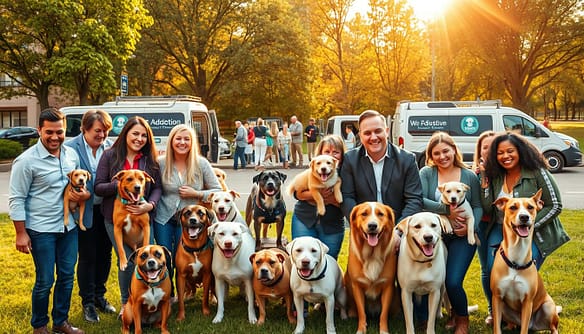
More no-kill shelters mean better transport networks. These networks move animals to places where they are wanted. This leads to fewer animals being returned, though we need more data on this.
The main goal is to change shelters from places where animals are often euthanized to places that help them find homes. By focusing on numbers like lives saved, these efforts show real progress. The demand for pets in these areas helps keep the success going.
Partnerships with Municipal Shelters
Large-scale animal relocation works best with partnerships between shelters. These partnerships do more than just move animals. They create a team effort for solving animal problems.
Transport and placement rescue needs these strong alliances. They link a shelter in a place with lots of adoptions to one in a crowded area. The partnership has a few key parts:
- Money goes back to the source community.
- Shelters share knowledge on animal care.
- They work together on interstate rules.
This approach turns a one-way deal into a lasting partnership.
For example, St. Hubert’s Animal Welfare Center gives back to the source shelter. They put at least $25 per dog into local spay or neuter programs. This helps fight overpopulation in the long run.
Dealing with health certificates and state laws is tough. But, experienced shelters help their partners. They make sure everything follows interstate rules. This helps the source shelter grow and do better in the future.
These partnerships help everyone. The receiving shelter gets more animals to adopt. The sending shelter gets money, help, and knowledge. This teamwork makes saving animals better across different areas.
Case Studies of Regional Success
Two shelters, one in New England and one in the Southwest, show the power of working together. They prove how transport and placement rescue can change animal welfare in a community.
The Dakin Humane Society in Massachusetts changed a lot. It used to send about 300 cats to other places. But in just six years, it became a place where cats come to find homes.
Now, Dakin gets around 600 cats a year from other places. This change shows how the need for help can shift in different areas.
In Pecos, Texas, a small shelter with a small budget and only 12 kennels made a big change. They started a transport and placement rescue program.
Today, they help nearly 600 dogs find new homes every year. This effort helped them become a no-kill shelter. The community now sees them as a place that saves lives.
The table below shows the main changes in these success stories:
| Shelter | Location | Key Metric Before | Key Metric After | Primary Outcome |
|---|---|---|---|---|
| Dakin Humane Society | Massachusetts | Source for 300 cats | Destination for 600 cats | Network role reversal |
| Pecos Shelter | Texas | 12 kennels, limited budget | Transports 600 dogs/year | Achieved no-kill status |
These stories show that breed placement is more than just moving animals. It’s about making a big change. The Pecos story shows that even with little resources, you can make a big difference with the right plan.
The success of these efforts comes from long-term partnerships. This commitment helps keep animals moving to the right places. It makes sure the right animals go to the right homes.
These stories are part of a bigger story of animal welfare progress. They show how local efforts, with help from others, can save lives. For more inspiring global adoption tales, the key is partnership and transport.
How to Volunteer, Foster, or Sponsor a Transport
Animal welfare gets a boost from public support through specific roles. These roles are key to the success of relocation programs.
Volunteers are the heart of these efforts. They help with animal care, drive transport routes, or manage paperwork. Their work is vital in moving animals to places with adopters.
Fostering is essential in both starting and ending points. Foster homes give animals a temporary home, socialization, and a chance to be assessed. This helps animals get ready for adoption and clears space in shelters.
Financial support is also critical. It covers costs like vet checks, gas, and even charter flights. Charter flights can cost up to $2,500 an hour. Sponsorship helps keep these costs low, ensuring animals get the help they need.
Groups like One Tail at a Time and the Bissell Pet Foundation make it easy to get involved. You can volunteer, foster, or donate through their websites. This way, you can help animals in need.