
The journey of an animal from a shelter to a home is often seen as an act of kindness. But, a closer look shows it’s more than that. It’s about matching an animal’s skills with a need in society or a personal life. This creates benefits for both the animal and the community.
Studies show how this can change lives. Winston, a rescued dog, now helps patients in hospitals. Jedi, another success story, loves going on outdoor adventures. These stories show more than just friendship.
They show real progress in animal welfare and helping communities. This turns a basic need for a home into a meaningful role. For more on the positive effects of adoption, check out the statistics on human-animal bonds.
The main idea is clear. When we match animals with the right role, everyone benefits. It’s not just saving a life; it’s giving it purpose and happiness.
Why Purposeful Roles Help Pets and People
Putting adopted pets into roles helps them and their owners a lot. This shows how good it is to give pets jobs. It makes the bond between humans and animals stronger.
Adopted animals help in many ways. Each one does something special to meet different needs.
- Psychiatric Service Dogs help with mental health issues. They make people more independent.
- Facility Animals calm people in places like hospitals or courts.
- Therapy Animals and their handlers visit schools, nursing homes, and disaster areas. They help a lot.
- Emotional Support Animals comfort people at home.
For humans, the benefits are clear. Service animals make life easier and safer. Therapy animals lower blood pressure and make people happier.
Animals also get a lot from these roles. They get to do things and have a routine. This makes them happier and closer to their owners.
These roles also bring people together. Therapy teams help people meet and connect. They make communities stronger through community outreach.
Shelters and rescues also win. They show they’re important for health and happiness. This helps them get more support.
It’s a win-win situation. Humans get better health and friends. Animals are happy and busy. Communities get stronger. This shows how great it is to give animals jobs.
Training & Certification Paths: CGC, therapy orgs, workplace policies
Organizations wanting to start animal-assisted programs need to know about training and accreditation. This guide explains how to certify animals, turning them into skilled workers.
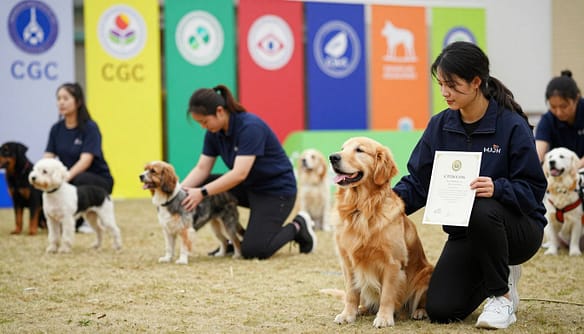
The American Kennel Club’s Canine Good Citizen (CGC) test is the first step. It checks a dog’s obedience and manners in public. Passing shows a dog is reliable and ready for more training.
Training varies based on the dog’s role. Therapy dogs get certified through Pet Partners or Therapy Dogs International. They learn to be calm and interact well with people.
Reading programs are a special part of therapy work. Dogs listen to kids without judging. They need to stay calm when books are moved around.
Service animals need more training to help their handlers. They might learn to detect health changes through scent work. They also need to behave well in public.
Training programs, like a 15-week foster model, help dogs grow. Experienced teams and volunteers teach and socialize them. This step-by-step approach builds their skills.
Businesses with facility dogs must have clear policies. These policies cover:
- Who is responsible for the dog’s care.
- How to handle employee consent and allergies.
- Rules for keeping the dog clean and well-behaved.
- Break times and activities to keep the dog happy.
Starting a program often means getting help from experts. Working with a therapy dog training service ensures everything is done right and safely.
The table below shows the main certification paths for different roles:
| Role Type | Core Focus | Governing Bodies | Specialized Skill Example |
|---|---|---|---|
| Therapy Animal | Providing comfort & interaction in visited settings | Pet Partners, TDI | Certification for children’s reading programs |
| Service Animal | Performing disability-mitigating tasks | ADA Guidelines, Trainer Certification | Medical alert via scent work |
| Facility/Office Dog | Enhancing workplace environment | Company Policy, Insurance Standards | Public access manners in office settings |
This table helps shelters and organizations. It shows how to move from adoption to a meaningful job.
Safety & Welfare: consent, breaks, handling, enrichment on the job
For animals to thrive in work roles, their welfare must be top priority. This means strict rules to keep them safe and happy. It’s not just about doing the job; it’s about doing it right.
Before an animal starts work, it goes through health and behavior checks. A vet checks if it’s healthy and free from diseases. Then, a behavior test makes sure it fits well in its new home.
Consent is key. Animals must want to work. Handlers know when an animal is stressed and stop right away. Animals always have a safe place to go.
Work and rest times are set. Even friendly animals get tired. They have quiet times in a safe spot to avoid getting too stressed.
How animals are handled and interact with people is very important. They must be well-trained and people must know how to approach them gently.
Enrichment is tailored to each animal’s role. For office cats, it’s climbing walls, puzzle toys, and playtime. For barn cat placements, it’s hunting, shelter, and regular visits.
The table below shows key differences in welfare for office and barn cats:
| Protocol Dimension | Office Cat Programs | Barn Cat Placements |
|---|---|---|
| Primary Environment | Controlled indoor workspace with limited public access. | Semi-controlled outdoor/agricultural space with defined territory. |
| Consent Indicators | Cat initiates contact, uses retreat cubby, shows relaxed body posture. | Cat approaches for food/contact, displays curious fearful behavior. |
| Break Requirements | Mandatory private room access for several hours daily. | Secure, insulated shelter always available, away from activity. |
| Handling Focus | Gentle petting, no forced holding, respect for personal space. | Minimal handling unless for health checks; focus on environmental care. |
| Enrichment Core | Mental stimulation toys, window perches, scratching posts. | Natural hunting behaviors, exploration of secure outdoor area. |
Managers must keep records of these standards. They check on the animal’s health and happiness often. If the animal seems stressed or unhappy, they change its role right away.
The animal’s happiness is the most important thing. Happy animals make great ambassadors. These strict rules protect everyone involved, making sure the placement is good for all.
How Shelters Evaluate for Roles and Make Matches
Shelters work like talent agencies, carefully checking each animal’s profile to find the right role. This careful process turns rescue into a strategic talent management. Programs like Shelter to Service show how this works.
The first step is a detailed behavioral test. Experts look at key traits important for fitting into a role. These traits help animals find their perfect home.
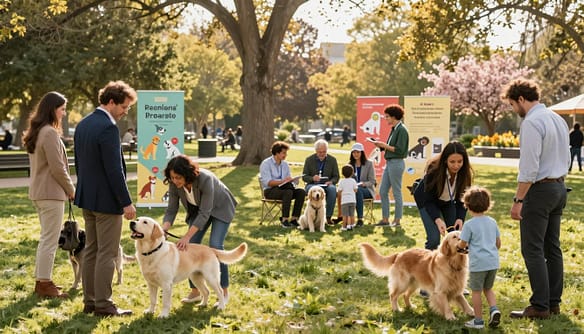
Temperament stability is key. Assessors watch how animals react to new things, handling, and stress. Animals that stay calm and steady do well in public roles.
Sociability and drive are also checked. Do animals like people and work for treats? Animals that enjoy people and are eager to please often make great therapy dogs.
Adaptability is the last important trait. Shelters see how fast animals adjust to new places. This shows if they can handle different settings like schools.
The table below shows the main criteria for assessment:
| Assessment Dimension | Key Indicators | Potential Role Alignment |
|---|---|---|
| Temperament | Calm under pressure, low startle response, recovery time | Therapy work, courtroom dogs, library reading partners |
| Sociability | Seeks affection, tolerates strangers, gentle with children | Hospital visits, senior center community outreach |
| Drive & Focus | Food/toy motivation, ability to ignore distractions | Service tasks, detection work, agility |
| Adaptability | Accepts novel spaces, sounds, and surfaces calmly | Workplace wellness programs, educational settings |
Each animal gets a detailed behavioral profile. This profile is matched with what the adopter needs. Shelters look at the adopter’s life and what they want from a pet.
The goal is a perfect match. A high-energy dog might find a home with someone who loves to run. A calm cat could go to a retirement home for community outreach.
This careful method leads to amazing stories. One adopter said, “We are forever grateful to Best Friends for Winston. He’s now a therapy dog.”
This success is not by chance. It comes from careful planning. It saves two lives. The animal finds a purpose, and the adopter gets a loyal friend.
This approach does more than just find pets homes. It helps animals contribute to community outreach and improve public health. Shelters are not just finding homes. They are launching careers.
Start a Program at Work/School: steps, insurance, ambassadors
Starting a workplace or school animal program needs executive support and a risk check. It turns good stories into real, lasting benefits. A solid plan keeps everyone safe and boosts the program’s good effects.
Follow a step-by-step plan to start. This ensures everyone is on board and meets key needs from the start.
Phase 1: Foundation and Sponsorship
Find and get a top boss to support the program. They’ll help get resources and push for it. Write a basic plan with the main goals, benefits, and steps to follow.
Explain the benefits in terms that matter. For companies, it’s about keeping employees happy and keeping them. Schools focus on getting students involved and improving reading programs.
Phase 2: Policy and Risk Management
Do a deep check on legal risks with lawyers and insurance folks. Figure out what insurance you need, like for animals. This is key for getting the program going.
Make detailed rules for animals and their handlers. These rules cover who can be involved, how to act, shots, and where animals can go. It’s also important to have plans for animal breaks and signs of stress.
Not every pet is right for a public role. Pick animals that are calm, reliable, and trained. Dogs might get special certifications like the AKC Canine Good Citizen (CGC).
Think about different roles for animals. A calm office cat is great for just hanging out. A trained dog can help with reading programs or welcoming people. Handlers need training too, on how to handle and interact with animals.
Phase 4: Phased Rollout and Metrics
Start with a small group to test and tweak. This helps build support inside. Start small, like one department or class.
Set important goals during the test phase. Watch how people feel, how often the program is used, and what changes. For programs that reach out to the community, track how many people join and what they say.
If the test goes well, roll out the program fully. Celebrate the animals and share good news to keep support strong. The program can grow, maybe even add more community outreach or a office cat.
Directory: orgs providing training and placements
This directory lists top organizations by what they do. You’ll find therapy animal certifiers and shelters with special programs for working cats. For business pros and program managers, finding the right partner is key for success and animal care.
The table below shows main organization types, what they do, and where they operate.
| Organization Type | Key Services & Specialization | Geographic Scope | Partnering Notes |
|---|---|---|---|
| Therapy Animal Certifying Bodies | National standards, handler training, liability insurance, facility visitation programs. | Primarily national with local chapters. | Require animal temperament tests and handler orientation. Ideal for corporate wellness programs. |
| Service Dog Training Agencies | Training for psychiatric, mobility, and medical alert dogs; client matching and follow-up. | Often regional or national; some serve specific states. | Joybound’s Shelter to Service is a prime example, training dogs for psychiatric support and facility roles. |
| Working Cat Placement Programs | Barn cat placements for rodent control; warehouse or stable environments. | Typically operated by local shelters or regional rescue networks. | Cats are assessed for independent, working temperament. Adoption fees often cover basic veterinary care. |
| Specialized Skill Trainers | Instruction in scent work, agility, or other advanced canine sports and detection skills. | Independent trainers, clubs, or institutions; availability varies. | Builds animal confidence and provides deep mental enrichment. Useful for career change dogs. |
Therapy Animal Certifying Bodies create the rules for visitation programs. Groups like Pet Partners and Therapy Dogs International have strict tests. They make sure teams are ready for any place, from hospitals to offices.
Service Dog Training Agencies make legal assistance animals. They include the Shelter to Service program, which trains dogs for months. They match dogs with people or places that need them.
Working Cat Placement Programs help cats that can’t live indoors. Shelters pick cats that can handle pests and are independent. These cats control pests and have a meaningful life. Shelters make sure these placements are safe and caring, as explained in animal welfare standards.
Specialized Skill Trainers offer unique training. Scent work uses a dog’s natural skills in a fun way. Certified trainers teach this, helping dogs find new careers or hobbies.
When looking for a partner, check their credentials, training methods, and support after placement. A good agreement should focus on the animal’s well-being.
Conclusion: Work With Heart
The mission of modern animal welfare goes beyond just finding homes. It creates real value by placing animals in the right places. Organizations aim to adopt out pets and provide homes, but it’s more than that.
They also focus on education. They want the community to know about the resources available. This big vision leads to real Pet Adoption Successes.
Programs like therapy dogs in hospitals or reading programs in libraries show the impact. Solutions like barn cat placements for pest control or office cats for morale are effective. Activities like scent work for detection dogs give clear roles.
Each initiative is a strategic investment in animal welfare and community outreach. To make these models work, a structured approach is needed. Professionals and leaders can use the outlined frameworks for assessment, training, and welfare.
Creating a program requires careful planning. This includes safety, certification, and policy. Saving animals in shelters is a shared goal that brings organizations and businesses together.
This model links pet adoption with corporate social responsibility and public health goals. It turns compassion into a real strategy for healthier communities. The journey starts with a single, meaningful match.