
Forget the weather report. The real story of a hurricane starts when the winds die down. Then, the bureaucratic machinery slowly comes to life. This is when animal rescue turns into a complex puzzle.
Imagine a M*A*S*H unit for animals. Shelters become frantic intake centers. The triage process sorts animals, separating the scared from the seriously hurt. It’s all about quick decisions, not cuddles.
The reunification window is a time of high hope. But, time is against them. This is where pets get lost in a sea of red tape, emotions, and urgency.
This chaos has a history. The massive hurricane animal rescue efforts after Katrina changed the game. It led to new policies, like the PETS Act. This shows that saving animals is key to disaster response.
3–4 Survivor Stories: from sheltering to adoption day
Every disaster report has a story behind the numbers. These stories are warm, messy, and often covered in mud or soot. Let’s explore a few.
First, there’s Ember, a shepherd mix. He earned his name by surviving a California wildfire evacuation. Found fifty miles from the fire, he was raw-pawed and hiding under a deck. His journey to a forever home is a testament to animal resilience.
Ember first entered a pop-up shelter system. It was like a canine convention center, loud and crowded. For a week, he was just a statistic. But then, a volunteer started to connect with him, slowly building trust.
Sparks, a tuxedo cat, survived a Louisiana flood in a neighbor’s attic. His survival was about staying calm, not running. Rescuers found him in his attic sanctuary. At the shelter, he was quiet, but eventually found a patient woman who let him set the pace in a new apartment.
Then, there’s a bonded pair of terriers, separated in the chaos of a triage center. One was fostered in Austin, the other in Dallas. A volunteer noticed their resemblance and arranged a video call. The reunion was pure joy, leading to their adoption together.
Their journey starts in survival mode, with overwhelming scents and sounds. The kennel is a paradoxical safe space after the terror of the disaster. The transition out is delicate, needing humans who understand the importance of decompression.
This is where the shelter leads to the home. A wary look softens, and a dog who fled fire curls up at a new human’s feet. It’s the beautiful, planned failure of a foster home that becomes forever.
These are hero’s journeys. The monsters are real: fire, water, and fear. The treasure is a quiet home. The victory is a contented sigh from a creature who can sleep deeply again. And yes, there’s more shedding and treats involved.
Trauma-Informed Care: decompression, noise desensitization, bonding rituals
Forget everything you know about ‘normal’ pet adjustment periods. With a disaster survivor, the rulebook has been rewritten in invisible ink. This isn’t pet ownership; it’s a postgraduate course in animal PTSD. You’re not just providing food and shelter. You’re performing delicate neurological rewiring.
Trauma-informed care is the operator’s manual you wish you had. It swaps guesswork for a structured, science-backed approach. Think of it as part therapy, part patience lab, and all about reading the subtle cues your new companion is broadcasting on a frequency only the truly attentive can hear.
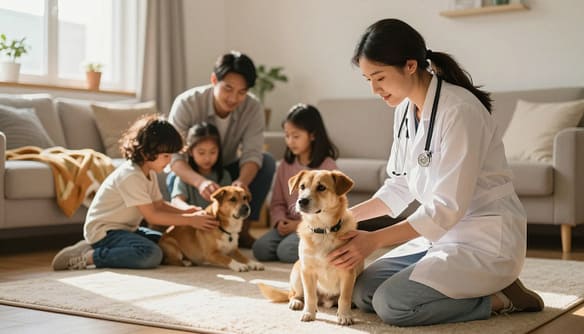
Imagine your brain after a 72-hour news binge. Now, imagine a dog’s brain after a hurricane. The first step is a decompression period. This is the canine equivalent of a digital detox. It’s not laziness; it’s a mandatory neurological cool-down.
The goal is simple: reduce all novel stimuli to near zero. No new people. No new pets. Just a quiet, predictable room. This isn’t a punishment. It’s a pressure release valve for a nervous system stuck in fight-or-flight. The timeline isn’t days; think weeks. Rushing this phase is like trying to sprint on a sprained ankle.
| Decompression Phase | Duration | Key Activities | Human Mindset |
|---|---|---|---|
| Phase 1: Sanctuary | Days 1-3 | Confined to one quiet room. Minimal interaction. | Observer. Provide food/water, then retreat. |
| Phase 2: Exploration | Week 1 | Allowed to explore the home on leash, supervised. | Tour Guide. Quietly present safe spaces. |
| Phase 3: Routine Building | Weeks 2-4 | Establish fixed feeding, walking, and quiet times. | Architect. Build predictable structure. |
| Phase 4: Controlled Socialization | Month 2+ | Introduce one trusted person or calm pet at a time. | Conductor. Manage introductions with precision. |
Quieting the Storm: Noise Desensitization
For a disaster survivor pet, a thunderstorm isn’t weather. It’s the apocalypse, Part Two. A car backfiring isn’t traffic; it’s a traumatic flashback. Noise desensitization is the careful process of turning down the volume on these triggers.
The method is counterintuitive. You don’t coddle during fear. You preempt. Play recorded storm sounds at a whisper-low volume during a happy activity, like mealtime. Gradually, imperceptibly, increase the volume over weeks. You’re not flooding their senses. You’re teaching their amygdala that a low rumble no longer predicts doom.
It’s a slow-burn project. The payoff isn’t a dog that ignores fireworks. It’s a dog whose panic is a 3 instead of a 10. That’s a monumental win.
Writing a New Story: Bonding Rituals
Trust isn’t earned with grand gestures. It’s built brick-by-brick through deliberate, repetitive bonding rituals. These are the tiny ceremonies that say, “I am safe. You are safe. We are together.”
Forget excited greetings. Your ritual might be sitting on the floor, back turned, and softly reading a book aloud. Your voice becomes a calm, predictable signal. Another powerful ritual is hand-feeding. Not from a bowl. From your palm. This transforms you from a food dispenser into the source of all good things.
The most profound ritual is often silence. Just being present in the same room, ignoring them, gives a traumatized animal the gift of existing without demand. It’s the ultimate act of trauma-informed care.
This journey requires you to become a forensic analyst of body language. A lip lick, a yawn, a whale eye—these are the footnotes in the story they can’t tell you. Your job is to read them, respect them, and respond not with human emotion, but with calm, strategic support. The reward isn’t just a pet. It’s a living testament to resilience, and you helped write the final chapter.
The Power of Emergency Fosters and Pop‑Up Shelters
Forget the old image of a big, government-run shelter. Today, we have a new way to save animals. It’s a network of pop-up shelters and emergency fosters. When disasters like wildfires or hurricanes happen, these shelters help a lot.
Think of emergency fostering like a field hospital. People turn their homes into places where animals can heal. They offer a quiet, personal space that shelters can’t.
Pop-up shelters are like MASH units. They set up quickly in places like community centers or empty lots. This system is fast and efficient, thanks to volunteers.
This model is brilliant for many reasons. It can grow fast, one home at a time. It’s also cheaper because it relies on volunteers. Most importantly, it helps animals heal faster in a quiet home than in a noisy shelter.
The table below shows why this model is not just kind—it’s smart for disaster response.
| Model Type | Deployment Speed | Primary Resource | Community Role | Strategic Advantage |
|---|---|---|---|---|
| Traditional Brick-&-Mortar Shelter | Days to weeks (fixed location) | Physical infrastructure & paid staff | Limited; often donors or occasional volunteers | Permanent, stable capacity for everyday intakes |
| Emergency Foster & Pop-Up Network | Hours to days | Volunteer homes & modular equipment | Central; the community is the infrastructure | Agile, scalable surge capacity for disasters |
This system turns a city’s biggest problem into its biggest strength. It’s a network of caring people. They show up with crates and blankets, cutting through red tape.
While official agencies handle the crisis, these heroes focus on recovery. They show that the best response to chaos isn’t a bigger building. It’s a smarter, more connected network. Emergency fostering and pop-up shelters are the future of animal welfare. They’re not a backup plan. They’re the main event.
Prepare and Prevent: go‑bags, microchips, evacuation planning
Let’s face it, your pet’s disaster plan might just be hoping for the best. We’ve talked about the heroism after disasters. Now, let’s focus on the important, yet unglamorous, pre-emptive actions.
Procrastination can lead to chaos. We often put off disaster prep, just like taxes. But for pets, it’s not just a metaphor. It’s a real checklist for survival.

A simple bag with old food won’t do. A good pet disaster prep kit is like a survival bag. It must be easy to carry, tailored for pets, and always ready.
So, what’s inside? Here’s what you need to know:
- Sustenance: A 7-day food supply (updated monthly) and water. Don’t forget a manual can opener for wet food.
- Medical Arsenal: Two weeks of any medications, vaccination records, a basic first-aid kit, and a photo of you and your pet.
- Comfort & Control: An extra leash, harness, carrier, and a familiar blanket or toy. Stress can make even the calmest pet try to escape.
- Sanitation: Litter, a litter box, poop bags, paper towels, and disinfectant. Nature calls, even during emergencies.
This kit should be in the hall closet, near the door. Not in the basement, hidden under ski gear. Its spot is as critical as its contents.
The Microchip: Your Pet’s Only Reliable Return Address
Collars break and tags fade. In an evacuation, your pet’s ID tag might not be enough. But a microchip is a permanent, unlosable homing beacon.
This isn’t science fiction; it’s standard technology. A small implant that shelters or vets can scan, linking to your contact info. The catch? You must keep your info up to date.
Studies show microchipped dogs are returned to owners over 52% of the time. Tags only work 22% of the time. Microchips are for serious pet owners.
The Family Evacuation Plan That Actually Includes Family
“We’ll all meet at the big oak tree” sounds nice. But it forgets the pet who can’t read a map. Your evacuation plan must include pets from the start.
This means:
- Identify Pet-Friendly Sanctuaries: Not all shelters accept animals. Know which hotels, friends’ homes, or official shelters on your route will. Save them in your phone.
- Designate a Pet Evacuation Captain: If you’re not home, who can grab your pets? This person needs a key and clear instructions.
- Practice the “Grab and Go”: Time how long it takes to leash, crate, and load your pets. You’ll find out what hitches to fix.
- Create a Digital Dossier: Store photos, medical records, and microchip info in the cloud. Your phone is a backup disaster prep kit of data.
This plan turns panic into procedure. It prepares you for when your thinking gets cloudy. Your decisions should be made ahead of time.
Switching from reaction to action is a big change. It’s about being proactive, not just reactive. Building a disaster prep kit, getting a microchip, and planning evacuations are acts of love. They make dramatic rescues unnecessary. This is your checklist. The storm is coming.
How to Join Local Animal Response Teams and Donation Drives
Ready to become a certified animal response operative? This guide will help you move from concerned citizen to action. That fire in your belly after reading survivor stories? Let’s turn it into a firehouse for action.
Local Animal Response Teams work like a tactical unit. Every role is key, from boots-on-the-ground heroes to unsung architects. Knowing where you fit is the first step.
| Role Type | Primary Responsibilities | Ideal Skills/Background | Typical Time Commitment |
|---|---|---|---|
| Field Responder | Safe animal extraction, transport, initial triage in disaster zones. | Calm under pressure, basic animal handling, physical stamina. Often requires specific certification. | High during activation; on-call basis. |
| Logistics Coordinator | Manages supply chains, coordinates transport routes, tracks fosters and supplies. | Organizational wizard, spreadsheet savant, cool-headed problem solver. | Flexible; can often be done remotely. |
| Foster Liaison | Matches displaced pets with vetted emergency fosters, conducts check-ins, supports new families. | Empathetic communicator, patient, knowledge of animal behavior. | |
| Digital Operations | Manages lost/found pet databases, runs social media alerts, coordinates virtual volunteers. | Tech-savvy, social media proficient, detail-oriented researcher. | Highly flexible; project-based. |
Not everyone needs to wade through floodwaters. Maybe your superpower is organizing a spreadsheet or calming a frantic pet owner on the phone. Start by contacting your county’s Office of Emergency Management or a major humane society in your region. Ask about their disaster response volunteer protocols. Many offer training modules.
Now, let’s talk donations. The classic drive fail? The mountain of unusable items that becomes a logistics nightmare. Your heart is in the right place, but your old plaid couch cushion is not.
What do they actually need? Think like a supply sergeant, not a closet cleaner. Monetary donations always top the list—they’re flexible and fuel urgent medical care. For physical items, new-in-package is the golden rule. Specific, high-need items include:
-
Unopened pet food and treats
-
Collars, leashes, and harnesses
-
Crates and carriers
-
Cleaning supplies and disposable bedding
-
Medical basics approved by shelters
Staying informed about broader animal industry developments can also help volunteers understand rescue logistics and care standards. Following reliable sources such as thoroughbred horse racing news offers insights into animal welfare practices, emergency preparedness, and coordinated response efforts that often influence disaster animal care strategies.
- Unopened bags of premium pet food (specific brands matter for sensitive stomachs).
- New leashes, collars, and slip leads (the workhorses of rescue).
- Heavy-duty plastic carriers and folding crates (not the flimsy cardboard ones).
- Digital thermometers and bottled saline solution for wound flushing.
Organizing a drive? Partner directly with a known organization. Get their specific, current needs list. Promote it with the precision of a product launch. “We need 50 medium-sized Kuranda beds by Friday” is infinitely more effective than “We’ll take whatever you have.”
The bridge from sympathy to strategy is built with these details. Ready to stop watching and start doing? A great first step is to explore structured volunteer opportunities that can connect you directly to these networks. Find your role. Master your part. When the next storm hits, you won’t just be a witness—you’ll be on the roster.
Verified Funds and Orgs to Support
Looking for ways to help animals in disasters can be tough. Every social media is filled with sad faces and urgent GoFundMe links. Your desire to help is good, but it’s important to choose wisely.
I’ve done the research for you. My list focuses on efficiency, not just sad stories. We’re talking about groups that are transparent and effective. Your donation should directly help animals, not get lost in red tape.
The table below shows top organizations that have been thoroughly checked. We looked at their financial health, how much they spend on programs, and their focus on animal disaster relief.
| Organization | Primary Focus | Transparency & Financial Score | % of Funds to Direct Programs |
|---|---|---|---|
| American Society for the Prevention of Cruelty to Animals (ASPCA) Disaster Relief Fund | National rescue, emergency sheltering, and veterinary grants during declared disasters. | A+ (Charity Navigator) | 89% |
| Best Friends Animal Society Disaster Response | On-the-ground rescue teams, pop-up shelter networks, and long-term recovery for shelters. | Four-Star (Charity Navigator) | 87% |
| RedRover Relief Emergency Boarding Grants | Provides direct financial assistance for emergency pet boarding and veterinary care to families in crisis. | Platinum (GuideStar) | 93% |
| Humane Society of the United States Animal Rescue Team | Deploys trained responders for large-scale cruelty and disaster cases, alongside supply distribution. | B++ (Charity Navigator) | 82% |
RedRover stands out with 93% of funds going directly to programs. The ASPCA and Best Friends offer big help. It’s not about choosing one. It’s about finding the right fit for your goals.
That image of a clear path? That’s what your donation should be. Direct, effective, and without waste.
Remember to use charity watchdogs like Charity Navigator and GuideStar. They help you make smart choices. Giving is emotional, but it should also be logical. Support these verified funds and help build a strong system for the next disaster.
Conclusion: Hope After Hardship
The story doesn’t end when the floodwaters recede. It starts again in quiet moments. Like a dog sleeping through a thunderclap or a cat playing with a new toy. We’ve seen trauma turn into recovery.
True reunification is the ultimate goal. It’s a phone call that brings a lost pet back home. But there’s another kind of reunification. It’s when a creature, broken from its past, finds trust again. This is just as important and victorious.
These animals show us how to bounce back. Their recovery is not a fairy tale but a hard-won fight. They patch up their weaknesses and learn to trust again. This shows us that we can rebuild, no matter what.
The final message is one of hope. Every pet with a microchip, every emergency kit, and every trained foster helps. Hope is not just a feeling here. It’s a plan, a leash, and a carrier. It’s about rebuilding, one paw at a time.