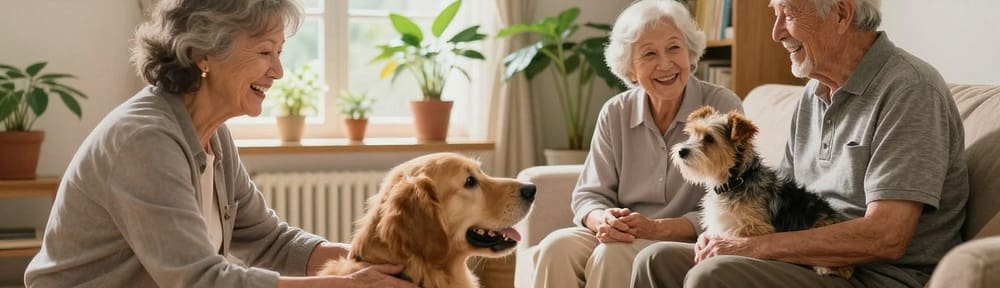
A new strategy is forming at the intersection of animal welfare and human health. It matches older people with older pets. This idea, known as a “Golden Match,” is more than just charity.
Programs like the Seniors-for-Seniors Adoption Program at places like Rancho Coastal Humane Society make this happen. They match people and pets based on their needs and lifestyles.
Adopt a Senior Pet Month shows why older pets need special care. They look for a calm and stable home, which seniors often provide.
For those in business, this is a smart wellness investment. It shows clear benefits for both the pets and their new owners. This approach turns senior pet adoption into a serious strategy for better living.
This sets the stage for a detailed look at what makes these matches work. And how they impact more than just the pets and their owners.
Why Senior + Senior Works: calmer energy, routine, companionship benefits
Studies show that older adults and older pets have a special connection. This isn’t just about feelings. It’s about how they can help each other, improving health and happiness.
Pets can really help seniors feel better. They can lower stress, blood pressure, and even depression. Just caring for a pet can make you feel closer and happier.
Senior pets are perfect for older people. They don’t need to run around a lot. They’re happy with short walks and quiet time. This fits well with the quieter life of a senior.
Both seniors and pets like a routine. They enjoy regular times for meals, rest, and medicine. This makes life easier and less stressful for both.
| Benefit Category | Impact on Senior Owner | Impact on Senior Pet |
|---|---|---|
| Calm Energy | Reduces physical strain; matches pace for enjoyable, manageable activity. | Provides a stress-free home without demands for high-intensity play. |
| Routine & Predictability | Offers a sense of purpose and a structured daily schedule. | Receives consistent care, feeding, and medication in a calm setting. |
| Companionship & Emotional Support | Combats isolation, provides unconditional affection, and boosts mood. | Gains constant, gentle companionship and security in its later years. |
Having a low-energy companion is very valuable. It’s not tiring, but comforting. It helps with heart health and keeps the mind sharp.
Learn more about the benefits of senior pets at this link. Senior pets and owners make a great team. They both get a happy, meaningful life together.
3–4 Matchmaking Stories with Health and Lifestyle Fits
Success in matching older adults with older pets is shown through real-life stories. These senior pet adoption stories show how experts match pets with owners. They look at health needs and living situations for the best fit.
Bruno, a ten-year-old Labrador mix, lost his owner and needed a new home. He had arthritis and needed supplements. Arthur, a retired postal worker, wanted a calm pet for walks and quiet evenings.
Their match worked because they both needed a calm life. Bruno’s mobility fit Arthur’s gentle routine. Arthur’s routine helped Bruno stay on his medication.
Case Study 2: Margaret and Cleo
Cleo, a fourteen-year-old cat, needed a new home because her owner moved. She needed a special diet and was fed twice a day. Margaret, a widow, had a quiet home and a routine.
Margaret’s home was perfect for Cleo’s health needs. Cleo’s presence gave Margaret a new purpose. It was a win-win situation for both.
Case Study 3: Henry and Peanut
Peanut, a twelve-year-old Chihuahua, was blind and needed a safe space. Henry, an elderly man, lived in a senior apartment without stairs or clutter.
Henry’s apartment was safe for Peanut. Peanut’s small size and reliance on senses fit Henry’s pace. This shows how pets and owners can find the perfect match.
Case Study 4: Evelyn and Thumper
Thumper, an eight-year-old rabbit, was given up when his owner moved. He was gentle and needed a quiet home. Evelyn, who lived in an assisted living facility, wanted a pet but needed something easy to care for.
Thumper’s calm nature and need for a cage fit the facility’s rules. Evelyn could care for him without strain. Thumper provided quiet companionship for Evelyn.
These stories show the strategic nature of successful adoptions. Each story started with a detailed look at the pet and owner. Counselors considered health, housing, and daily routines. The results were lasting, positive bonds.
Support Systems: pet food banks, vet ride services, in-home help
Community-based support structures make senior pet adoption safe and sustainable. They address practical challenges that could affect long-term care. This helps ensure pets and their owners can stay together.
A strong pet support for elders system covers many areas. It includes food, money, logistics, and legal help. This ensures the bond between older adults and their pets stays strong, no matter what.
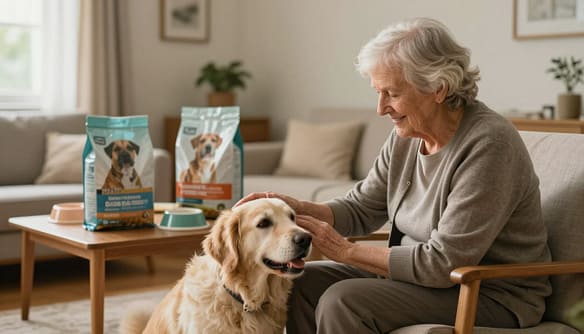
The table below lists main support mechanisms. It shows what they do and how they help elderly pet owners.
| Support Type | Example Program/Service | Core Function | Addresses Key Risk |
|---|---|---|---|
| Nutritional Support | Brock’s Community Pet Food Bank | Provides regular supplies of pet food at no cost. | Mitigates the financial strain of ongoing nutritional needs. |
| Financial Assistance for Veterinary Care | Veterinary Care for Seniors Program | Offers subsidies or discounted services for essential medical treatments. | Removes cost as a barrier to critical healthcare, ensuring pet wellness. |
| Logistical & In-Home Aid | Volunteer vet ride services; mobile groomers | Facilitates transportation to appointments and provides home-based care. | Solves mobility challenges, maintaining care routines without physical strain on the owner. |
| Legal & Continuity Planning | Pet Trust legal service referrals | Establishes formal arrangements for pet care in the event of owner incapacitation. | Provides long-term security and a clear plan, eliminating uncertainty about the pet’s future. |
Legal planning, like Pet Trusts, is key for elder pet support. These plans name a caregiver and set aside money for the pet. Adoption agencies often help find these services. They also have clear rules for returning pets if the owner can’t care for them anymore.
This network of resources does more than solve immediate problems. It builds trust, making it safe for seniors to adopt senior pets. Strong pet support for elders is essential for pets to stay with their owners as they age.
Program Models: “Seniors for Seniors,” trial placements, legacy care plans
Looking into how programs are set up shows us the power of trial periods and legacy plans. These designs help make matches work well. They turn a simple adoption into a lasting bond.
The Seniors for Seniors program is a key example. Places like the Rancho Coastal Humane Society run it well. It matches seniors with pets over 7 years old. The program also waives the $75 adoption fee, helping seniors on fixed incomes.
Trial periods are another smart idea. They let seniors try out a pet at home for a few weeks. This helps make sure the pet fits well before adopting.
Legacy care plans help seniors worry less about their pets’ future. They make sure the pet is cared for if the owner can’t. This gives seniors peace of mind when adopting a senior pet.
These models work best together. For example, a Seniors for Seniors program might include a trial period and help with legacy plans. This support helps shelters grow and improve their services.
Knowing about these programs is important for adopting pets. For those interested in fostering, a complete guide to fostering shelter pets offers more insights.
| Program Model | Key Feature | Primary Benefit | Example / Note |
|---|---|---|---|
| Seniors for Seniors Program | Age-based matching; fee-waived adoptions | Reduces financial and accessibility barriers | Rancho Coastal Humane Society; donor-covered fees |
| Trial Placement Period | Pre-adoption cohabitation (2-4 weeks) | Ensures lifestyle compatibility before final commitment | Lowers return rates by confirming a good fit |
| Legacy Care Plan | Formal, legal arrangement for pet’s future care | Provides long-term security and peace of mind for adopter | Often involves shelter as backup guardian |
In summary, structured programs are key for seniors and senior pets. They help make adoptions successful. By using these models, shelters can create lasting and happy relationships.
Health & Safety: fall prevention, medication reminders, pet insurance options
Planning for health and safety is key for a long-term bond between seniors and their pets. It keeps both safe and happy. This careful planning is a big part of Pet Adoption Successes for seniors.
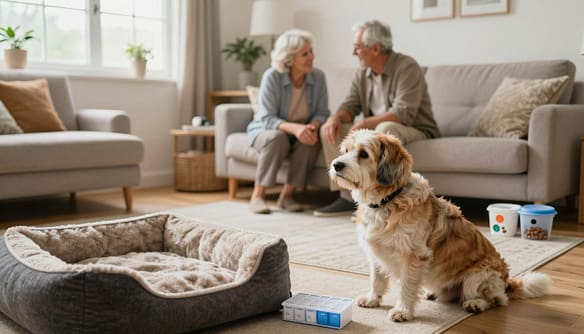
Preventing falls is a big concern. Older pets may not see or hear well and can get in the way. Making a few changes can make a big difference.
- Secure loose rugs with non-slip pads or remove them entirely.
- Ensure clear, well-lit pathways between rooms, specially at night.
- Keep pet toys, food bowls, and leashes in dedicated areas, not in walkways.
- Consider using baby gates to restrict pet access to potentially dangerous areas like steep stairs.
Adding pet care to daily routines helps keep things consistent. For seniors taking their own meds, matching pet treatments can be a great reminder. Using the same pill box for both or setting alarms can help avoid forgetting.
Having money set aside for vet bills is essential. Pet insurance can help manage costs. It’s important to compare different plans carefully.
When looking at insurance, consider what it covers. Look at deductibles, how much it pays back, and when you can start. For many, a good policy means not worrying about vet bills. This peace of mind is a big part of Pet Adoption Successes.
Non-profit programs can also help with vet bills. They can cover routine costs, saving money for emergencies. A mix of insurance, savings, and community help creates a strong safety net.
By focusing on safety and care, seniors can create a happy home. Addressing risks, organizing care, and planning for vet bills sets a strong foundation. This careful planning turns an adoption into a lasting and joyful golden match.
Adoption Day to First 60 Days: checklist and timeline
The adoption day starts a 60-day plan to build security, routine, and understanding. This period is key for a senior pet and elder to bond well.
A step-by-step plan makes the transition easier. It helps the new guardian follow a clear timeline.
Before the pet arrives, get your home ready. Remove tripping hazards, set up a cozy spot, and place food and water bowls where they’re easy to find.
When the pet arrives, keep things calm. Let it explore at its own pace. The goal is to reduce stress and make it feel safe.
First Week: Establishing Baseline Routines
This week is about being predictable. Stick to regular feeding times, bathroom breaks, and short walks. Watch how the pet eats, moves, and uses the bathroom to understand its health.
Book a vet visit early in this week. It’s a chance for a health check and to find a vet. Talk about any health issues and plans for care.
First Month: Behavioral Integration and Support Activation
By the fourth week, you’ll see the pet’s behavior more clearly. Look for signs of stress, comfort with touch, and reactions to sounds. This helps spot any training or environment needs.
Now is the best time to use pet support for elders programs. Use vet ride services for vet visits or look into pet food banks for help. Setting up these resources early helps avoid problems later.
First 60 Days: Solidification and Long-Term Planning
The two-month mark shows the pet and owner have settled in. Routines should feel natural, and trust and bonding should be strong.
Check how well the pet has adjusted. See if routines and support services are working. This is also the time to plan for the future, like pet insurance or care plans.
Good organizations check in at 30 and 60 days. These checks help ensure both the pet and owner are doing well. They also offer help if needed.
This approach helps ensure a successful adoption. It gives the senior owner a way to get help and support, making the bond strong from the start.
Conclusion: Creating Golden Years for Both
Senior adults and pets find a special bond. This bond is built on calm and understanding. It meets a deep human need for connection.
This partnership brings health and happiness benefits. It turns animal shelter problems into community solutions.
Initiatives like “Seniors for Seniors” show the way. They prove that pets and seniors can thrive together.
Support systems help these matches last. Things like food banks and vet rides make a big difference. They help pets and seniors alike.
Adopting pets is good for everyone. It saves money and makes seniors happier. It’s a win-win for the community.
Studies back up the success of these matches. Other places can follow this example. This leads to more happy pets and seniors.
These Golden Matches change what we think about aging. They bring joy and companionship to later life. It’s a legacy of love and comfort.