
The foster-to-adopt model is a smart way to find forever homes for pets. It lets families try out pet care before they commit. This way, everyone knows if it’s a good match.
It works like human foster care. Places like Forever Family show how a trial period helps. Stories like Serriyah and Belinda’s show it builds strong bonds and checks if families are right for each other.
Putting pets in foster care first often leads to better adoption results. It helps families and pets adjust before they live together. This makes sure everyone is happy and ready for a long-term relationship.
This article looks into how foster care turns into lasting love. For more on this, check out these foster-to-adopt success stories.
The 30–60 Day Timeline: decompression, training, vetting
A professional foster-to-adopt program has a 30 to 60-day timeline. It includes three key parts: environmental decompression, behavioral training, and a vet review. This period is like a trial adoption, helping everyone see if they’re a good match.
This timeline is like a smart check before adopting. It helps avoid common problems after adoption. It’s designed to make sure the animal and family are a good fit.
- The Decompression Phase (Days 1-14)
The first part is letting the animal get used to its new home. It’s a time to reduce stress from the shelter. Families watch how the animal eats, behaves, and reacts to daily routines.
It’s important to keep a regular schedule for meals, walks, and quiet time. This helps the animal feel safe and know what to expect. It makes the next steps easier.
- The Training and Socialization Phase (Days 15-45)
Once settled, the animal starts training. This includes learning house rules, basic commands, and how to act around people and pets. Families work on leash skills, crate training, and social interactions.
During this time, families get help and resources from experts. The trial adoption lets them see how well the animal learns. Success here shows they can adapt well in the long run.
The last part is a detailed health check. This includes shots, spaying/neutering, and fixing any health issues. Families get a full health report and care plan.
This is also the last chance to decide on adoption. Families use what they’ve learned from the first two parts and the health check. They make a choice based on facts, not just feelings.
This 30 to 60-day plan makes fostering a serious evaluation. It’s a step-by-step way to check if a family and animal are right for each other. It helps families feel sure about their decision.
This trial adoption helps everyone. The animal gets care and a home test. Families get to see what it’s like before adopting for good. And rescue groups find forever homes for animals.
5 Mini-Diaries from Foster Families Turned Adopters
These case studies show how foster-to-adopt works well. They share foster success stories and how families decide to adopt for good.
Case Study 1: The “Bottle Baby” Litter
Intake Condition: A litter of kittens, just four days old, needed constant care.
Key Milestones: By week 3, they could see and hear. By week 6, they started eating solid food. By week 8, they were healthy and got along with other pets.
Decision Factors: The family cared for them a lot and socialized them well. Adding one kitten to their pets was easy. They adopted because of the bond and health checks.
Outcome: One kitten was adopted, showing the family’s skill in kitten fostering.
Case Study 2: Senior Dog with Anxiety
Intake Condition: A seven-year-old dog was stressed from the shelter, shaking and avoiding people.
Key Milestones: By day 10, it started to enjoy being petted. By day 25, it relaxed in the family area. By day 40, it walked without pulling on the leash.
Decision Factors: The dog liked a routine and a quiet home. Its big improvement made it clear it needed a permanent, calm home.
Outcome: The family adopted it, giving it a peaceful home.
Case Study 3: Adolescent Cat with Medical Needs
Intake Condition: A one-year-old cat needed care after surgery, needing medicine and rest.
Key Milestones: By week 2, it was healing well. By week 4, it finished its medicine. By week 6, it was playful and healthy again.
Decision Factors: The foster took care of its medical needs. Seeing it get better made them feel responsible. Their time and money showed their commitment.
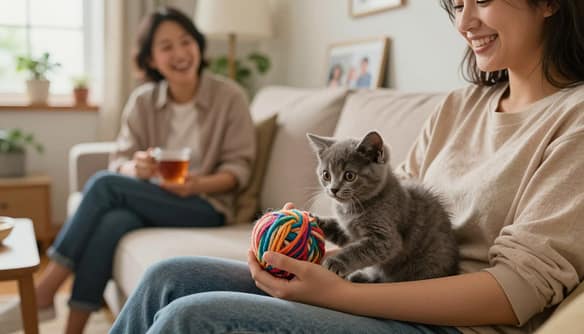
Intake Condition: Two four-year-old rabbits were surrendered together and needed to stay together.
Key Milestones: By day 5, they used the litter box. By day 20, they explored the home safely. By day 45, they showed they were a close pair.
Decision Factors: Finding a home for a pair was hard. The family had the right space. Keeping them together was best for their happiness.
Outcome: The pair was adopted by the foster family, keeping them together.
Case Study 5: High-Energy Shepherd Mix
Intake Condition: A young, active dog needed lots of exercise to stop chewing and barking too much.
Key Milestones: By week 1, it started learning basic commands. By week 3, it enjoyed running with the family. By week 7, it listened well even with distractions.
Decision Factors: The dog needed lots of activity, which the family could provide. Their active lifestyle was perfect for the dog. Training made it a well-behaved pet for their home.
Outcome: The family adopted it, using their training efforts.
These stories show that adoption is often a smart choice. The emotional rewards come from seeing the pets thrive. For more on this, see foster failure. These diaries prove that fostering is a great way to find forever homes.
Behavior Breakthroughs: shy-to-social, house manners, crate comfort
Foster homes are key for improving animal behavior. They tackle issues like shyness and bad manners. This setting offers the right mix of consistency and expert help for real change. The result is a pet ready for a new home.
Going from shy to friendly is a big win for foster care. At first, animals hide and avoid people. But with slow steps and positive feedback, they start to open up. They learn to enjoy new things and people, becoming more confident.
Teaching good manners is also a big part of foster care. Animals may not know the rules of the house. Caregivers set clear rules and reward good behavior. This turns messy behavior into something predictable and easy to manage.
Teaching animals to use a crate is another important skill. At first, they might not like it. But with treats and comfort, they learn to see it as a safe place. This skill helps with travel and vet visits, showing they can adapt.
These efforts pay off in big ways. Animals go from being projects to being ready for a family. Foster programs are all about making this happen. They turn challenges into successes, benefiting both the animal and the family.
| Behavioral Area | Initial Challenge | Key Foster Interventions | Measurable Outcome |
|---|---|---|---|
| Shyness / Socialization | Hiding, fear-biting, avoidance of people/noise | Controlled exposure, positive reinforcement, routine socialization sessions | Seeks affection, wags tail, approaches new people calmly |
| House Manners | Indoor accidents, destructive chewing, jumping on people | Strict schedule, redirection, consistent verbal cues, reward-based training | Asks to go outside, chews approved toys, greets guests with four paws on floor |
| Crate Comfort | Vocalizing, scratching, panic when confined | Gradual introduction, feeding meals inside, leaving crate door open | Enters crate voluntarily, rests quietly, shows no signs of distress |
| Overall Adoptability | High maintenance, unpredictable, requires specialized home | Holistic behavioral remediation across all three areas | Well-adjusted, family-ready pet with documented behavior progress in foster |
How to Become a Foster: application, home check, supplies, stipends
The journey to fostering starts with an application and a home check. These steps ensure the animal’s safety and prepare the caregiver. Organizations have a set way to check if a home is ready.
Each step is important for a good foster network. The process is clear for everyone involved.
The Application Process
First, you fill out a detailed application. It asks about your family, pets, and lifestyle. You also need to say if you can take animals to vet appointments.
Then, a background check is done. The rescue checks if you fit their needs and rules. This step is to make sure you can help.
The Home Environment Assessment
If you pass the application, a home check is scheduled. It’s not about your decor but safety. The assessor checks if your home is safe for a foster animal.
They look at fencing, chemical storage, and household stability. They might give tips on setting up a space for the animal. Passing this is needed to get a foster animal.
https://www.youtube.com/watch?v=OGJM6MBB9-g
Getting ready is key to fostering. While some things are provided, you often need to buy foster supplies. You’ll need bowls, a bed, leash, and toys.
For dogs, a crate is important for training. Cats need a litter box, scratching post, and a quiet spot. Check with your organization about what you need.
Having foster supplies ready helps the animal settle in faster. It lets you focus on caring for them. This shows you’re serious about fostering.
Financial Stipends and Organizational Support
Most rescues give money to help with costs. This includes food, medicine, and litter. It’s not a salary but help to volunteer without worrying about money.
They also cover vet bills. This includes shots, spaying/neutering, and medical care. The rescue makes all vet decisions.
There’s also support for behavioral issues and training. This helps you care for the animal. The organization supports you in caring for the animal.
Starting as a foster means going through these steps. From application to getting foster supplies, each step is important. The support and stipends help you focus on the animal’s needs.
Building a Foster Community: mentors, WhatsApp groups, transport help
A foster program’s success depends on more than just one person. It needs a strong support community. This group shares knowledge, helps with day-to-day tasks, and keeps caregivers safe.
For tasks like kitten fostering, which need constant care, a good community is key. It’s not just helpful; it’s often necessary for success and keeping caregivers going.
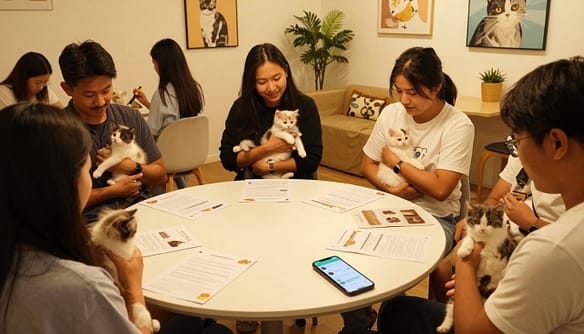
Mentors are at the heart of this community. They guide on health, behavior, and emotional support. This helps prevent burnout and makes fostering a team effort. Programs like grants for volunteer mentorship help grow these roles.
WhatsApp groups or Slack workspaces are key for quick communication. They help with feeding, health questions, and sharing supplies. They’re a living library of knowledge for everyone.
A good transport system is also vital. It moves animals to shelters, vet visits, foster homes, and adoption events. It makes logistics easier, ensuring animals get care on time without overloading volunteers.
| Component | Primary Function | Key Benefit |
|---|---|---|
| Mentorship | Provides expert guidance on animal care, medical issues, and behavioral management. | Reduces errors, increases animal welfare, and provides emotional backup for fosters. |
| Communication Hub | Enables real-time advice, resource sharing, and event coordination among volunteers. | Creates a responsive support system and a shared knowledge base for problem-solving. |
| Transport Network | Manages the logistics of moving animals to and from critical locations. | Ensures timely access to veterinary care and facilitates adoptions, maximizing efficiency. |
These parts work together as a whole. Mentors teach the “what” and “why.” The communication hub handles the “how” and “when.” The transport network takes care of the “where.” This teamwork is what makes a foster program grow and succeed.
For those doing kitten fostering or other tough tasks, joining this community is smart. It turns a personal effort into a well-supported, professional venture with better chances of success.
Local Orgs to Join and Typical Roles Needed
Local animal welfare groups are key to foster-to-adopt efforts. They need many volunteers to work well. It’s important to know what roles are available.
There are three main types of groups. Municipal animal shelters are funded by the public and have foster programs. They have clear steps for volunteers to follow.
Private rescue groups focus on certain animals or health issues. They rely on foster homes and support their volunteers well. Their foster-to-adopt process is clear.
Humane societies and SPCA chapters are non-profits that help animals. They offer training and connect volunteers with the community.
These groups need help in many areas. Transport volunteers move animals to different places. This is key for the program to work.
There are also important support roles. Intake coordinators find the right foster homes for animals. Adoption counselors help families adopt pets.
Behind-the-scenes roles are also vital. These include finding volunteers, planning events, and getting donations. They help the direct-care teams focus on animals.
Choosing a role is about matching your skills with what’s needed. If you’re good at organizing, you might help with transport. Counseling skills are great for adoption work. This way, you make a big difference in foster-to-adopt programs.
Conclusion: Try Before You Adopt—And Often Fall in Love
The foster-to-adopt model is a smart way to adopt pets for good. It lets people try before they commit, like a test run. This way, they can see if it’s right for them without making a big decision yet.
This method has a clear plan, lasting 30–60 days. It’s a time to get to know the pet and see how they fit in. Families can see if the dog is a good match for their home.
Having a foster community’s support is key. Local groups offer help and advice. They make it easier for foster families to care for pets.
Stories from foster families show it often leads to adoption. Many times, the foster home becomes the forever home. This shows the model works well.
For those who work, this method makes sense. It’s like a business plan for pet care. It helps create a strong and happy bond between humans and pets.