
We all love a good transformation montage. You know, the kind set to an 80s power ballad where the scruffy pup becomes a gleaming champion.
In reality, the “before and after” for a rescue pet is written in quieter, more profound shifts. The latest data offers a glimmer of hope: a 3.4% drop in pets killed in shelters nationally, paired with a 4% uptick in animal adoption.
It’s a statistic that whispers progress. But I’m more interested in the micro-stories that fuel it.
Take Riley, a puppy from the Best Friends Pet Resource Center. He entered a family’s life not just as a pet, but as a catalyst. After seven months of surgeries, young Lindley had lost her spark. Enter Riley. Within days, the script flipped. The before: a subdued girl. The after: a soccer-loving kid excited to care for another being.
Then there’s Doug, the “Prince of Play.” His “before” involved navigating a world of blurry shapes. His “after”? A snazzy pair of doggles and a perfect home with a former K-9 handler who saw a project worthy of patience.
These aren’t just feel-good tales. They’re case studies in resilience. They prove that adoption doesn’t just change a pet’s address; it can rewire a family’s entire narrative.
So, the next time you see a shelter statistic, remember it’s an aggregate of these tiny, powerful revolutions. Mastering this narrative is key, and a solid storytelling toolkit for animal advocates can turn data into lasting change.
Story 2: Unexpected Friendships
Forget the classic boy-meets-dog story. The real stories of animal adoption are more complex. They involve unexpected friendships. The shelter is not just for lonely animals but a place for new friends to meet.
Take Mary-Kate and Ashley, the feline twins. They were adopted together in New York. Their perfect home was with sibling roommates. It’s like a sitcom, showing how cats and humans can be alike.
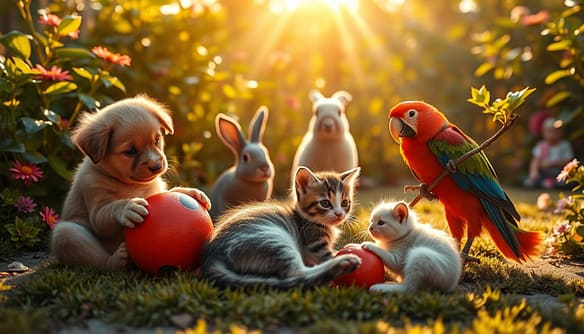
Harold the rabbit lost his friend Dottie. He needed someone to talk to. A volunteer and her rabbit, Norbert, helped him. They showed that sometimes, animals need friends, not just humans.
Franklin and Nigel, two cats, found a new home in a vintage shop. They turned it into a community spot. Their presence made the shop a place of comfort and connection.
These stories show that animal adoption is more than just saving a pet. It’s about creating a new community. Sometimes, the best friendships are between animals, with humans helping them find each other.
The lesson is clear and important. The best animal adoption stories are about creating a new home. They show that animals are not just pets but friends, roommates, or community symbols. The real heroes are those who help animals find their perfect match.
Story 3: The Adopter Journey (A Study in Patience, Not Plot)
Forget love at first sight; the most compelling rescue stories are built on patience, not passion. The journey isn’t a quick rom-com. It’s a slow-burn novel, often with a decade-long subplot and a cast of characters who wouldn’t make the studio’s final cut.
Let’s analyze the archetypes. The real map to “happily ever after” is usually one of these five routes:
- The Patient Sage: Adoption as a thoughtful negotiation.
- The Serendipitous Volunteer: Where logistics magically align.
- The Shy Protagonist: A story about creating space for courage.
- The Medical Mystery: Where the heroes wear lab coats.
- The Social Media Star: Connection engineered through a hashtag.
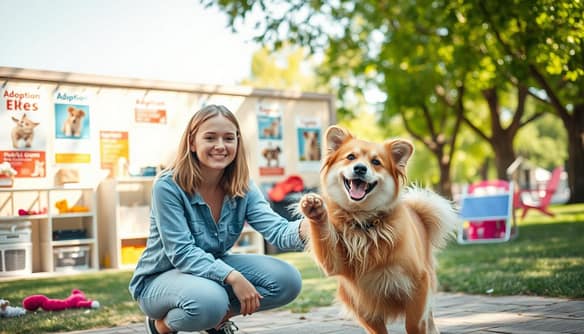
First, meet the Patient Sage. Vito, a senior dog, spent nearly a decade at the sanctuary. His adopter, Casey, didn’t rush. He visited. He sat. He built trust over months. Casey understood that an old soul, set in his ways, wasn’t broken. He was just perfectly curated. This is adoption as a thoughtful negotiation, not a conquest.
Then, the Serendipitous Volunteer. A Canadian couple came to volunteer, not to adopt. They fell for Bug, an orphaned horse with a gentle demeanor. The twist? A spare spot in a trailer heading north to Canada opened up the same week. Sometimes, the universe does write a flawless third act. These heroes didn’t seek a story; the story found them.
Next, the Shy Protagonist. Tanner was a dog so cautious she was practically a shadow. Her confidence didn’t spark from a human’s demand. It grew by watching Coco, her fearless foster sibling. Her family’s role was simple: provide a safe stage and let her set the pace. This narrative is about environment, not force.
Now, the Medical Mystery. Goober the cat arrived with baffling respiratory issues. Her journey led to a vet’s office for a polyp removal—and straight into the hearts of the medical team that treated her. The clinic became her home. In these rescue stories, the heroes wield stethoscopes and scalpels.
Lastly, the Social Media Star. Diamond Ring’s foster family became her marketing agency. They used Instagram to flash her brilliant smile to the world, crafting a narrative that connected her with adopters ready for their next “gem.” This is the modern fairy tale, where a network signal is the magic wand.
Each path is a unique algorithm of human empathy, animal personality, and plain luck. The “repeat” in the journey isn’t an error; it’s the core theme. The process repeats, evolves, and triumphs differently every single time. These aren’t just pet acquisitions. They’re nuanced, deeply human rescue stories where the real heroes are those willing to read the whole book, not just the happy ending.
How You Can Help
These rescue stories tug at your heartstrings. Now, you might wonder how you can help. The goal is for all U.S. shelters to become no-kill by 2025. This means saving every dog and cat that can be saved.
Shelter staff are the first line of defense. But they need your support. You can make a big difference in many ways.
One way is to foster. This is a short-term but impactful choice. By fostering, you free up space in shelters, saving lives. Stories like the pigeon saved by Palomacy volunteers show the power of temporary care.
Adopting a pet is another way to help. This choice changes a life for the better. It also opens up space for more animals in need. It’s a long-term investment in their happiness.
Lastly, you can advocate for change. Support laws that help spay/neuter pets and make homes pet-friendly. This is about creating a community that cares for all animals. Groups like the All About Pets Show work towards this goal.
There’s been a 3.4% drop in shelter killings. This is progress, but we’re not there yet. Your actions, whether fostering, adopting, or advocating, can help. Together, we can make our communities no-kill by 2025.