Primate Forest opened to the public at Cleveland Metroparks Zoo on October 22, 2026, at noon, marking the public debut of the project’s first phase Axios reported. For families, animal lovers, educators, and rescue-minded neighbors, the opening was more than a new zoo experience. It was a reminder that care is built through space, patience, education, and a community willing to show up.
As someone who spends a great deal of time thinking about animals waiting for safe futures, I see a clear bridge between zoo conservation and rescue work. The species and settings are different, but the ethic is familiar: animals need thoughtful environments, trained caregivers, informed visitors, and people who understand that stewardship does not end at the gate. A shelter kennel, a foster living room, and a conservation habitat all ask us to pay attention to the animal in front of us.
The first phase represented a $70 million investment, with the full project expected to total about $120 million upon completion, according to Cleveland Metroparks Zoo’s public announcement Cleveland Metroparks said. That scale matters because it signals long-term commitment, not a quick exhibit refresh. For a community-driven animal welfare site, that commitment is worth pausing over.
What Primate Forest Changed For Animal Care
Primate Forest And Animal Wellbeing
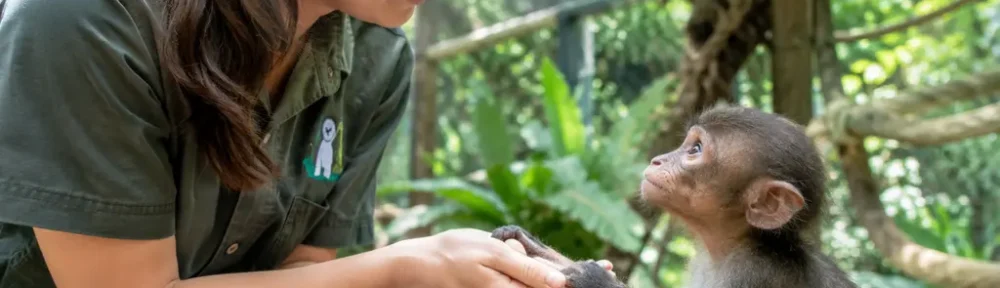
The heart of Primate Forest is a care model built around greater choice, complexity, and flexibility for animals. Cleveland Metroparks described habitats designed to encourage natural behaviors, including an outdoor yard for orangutans, an expanded two-story dayroom connecting indoor and outdoor spaces, elevated viewing decks, and enhanced climbing and nesting structures Cleveland Metroparks reported. In practical terms, that means the animals are not simply being viewed. Their daily lives have been given more room for movement, rest, choice, and social management.
This is where the lesson reaches beyond the zoo. Responsible pet ownership also begins with asking what an animal needs to feel secure and behave naturally. For a newly adopted cat, that might mean vertical space, quiet hiding areas, and a slow introduction to the home. For a dog leaving a shelter, it might mean predictable routines, patient handling, and time to decompress. The setting is smaller, but the principle is the same: welfare starts with environment.
A Bigger Home With More To Teach
The first phase includes the expanded Orangutan Forest, the renovated Samuel H. Miller Foundation Tropical Forest, and the new two-story CrossCountry Mortgage Forest Home, described as a central gathering space Cleveland Metroparks noted. The habitat houses 65 species and hundreds of individual animals, including orangutans, Asian small-clawed otters, clouded leopards, giant anteaters, capybaras, monkeys, birds, and reptiles the zoo said.
Those details matter because conservation education works best when visitors can connect a face, a habitat, and a behavior to a larger responsibility. A child watching an orangutan climb may begin to understand why space and enrichment matter. A parent watching an otter group may start a conversation about species, habitat, and human choices. A volunteer who fosters animals may see familiar care principles reflected at a larger scale.
How Primate Forest Teaches Conservation
Education That Begins With Curiosity
For families, Primate Forest turns curiosity into learning through immersive technology, projection-mapping, interactive exhibits such as the Connections Studio and Sustainable Future Design Lab, a Family Forest Theater, and a Care & Conservation Center highlighting work with threatened species Cleveland Metroparks detailed. These spaces matter because education is often the first step toward lasting action.
In rescue, we see the same pattern. People rarely become committed adopters, fosters, donors, or volunteers from a single fact sheet alone. They change because an animal becomes real to them. They meet a shy senior dog. They notice a bonded pair of cats. They learn why a rabbit needs proper housing and daily care. Zoo education can create that same kind of awakening, especially for species most people will never encounter outside a protected setting.
For readers who follow conservation learning across accredited zoo settings, our recent coverage of Zoo Atlanta’s panda education work reflects a similar idea: animal arrivals and habitat projects can give families a clear entry point into care, conservation, and everyday responsibility.
Why Rescue-Minded Visitors Should Care
Rescue and shelter advocates sometimes focus, understandably, on companion animals first. Dogs and cats are in our neighborhoods, our foster homes, and our adoption events. Yet conservation education belongs in the same circle of compassion. It teaches patience instead of impulse. It shows that animals have species-specific needs. It reminds us that human choices shape animal futures.
That mindset helps at home. A person who learns to respect an orangutan’s need for climbing space may be more open to meeting a cat’s need for enrichment. A visitor who understands that a habitat is designed around animal choice may think twice before rushing a newly adopted dog into loud social settings. Good animal education does not stay inside one building. It follows people back to their homes, shelters, classrooms, and neighborhoods.
Community Access And Shared Responsibility
Making The Visit Part Of Civic Care
Cleveland Metroparks said the project was funded through zoo capital funds, partnerships, philanthropic donations, and state capital funds Cleveland Metroparks shared. That mix of support is a useful reminder: animal care at this level is never carried by one person. It is built by institutions, donors, public partners, caregivers, educators, and visitors who keep paying attention after the ribbon is cut.
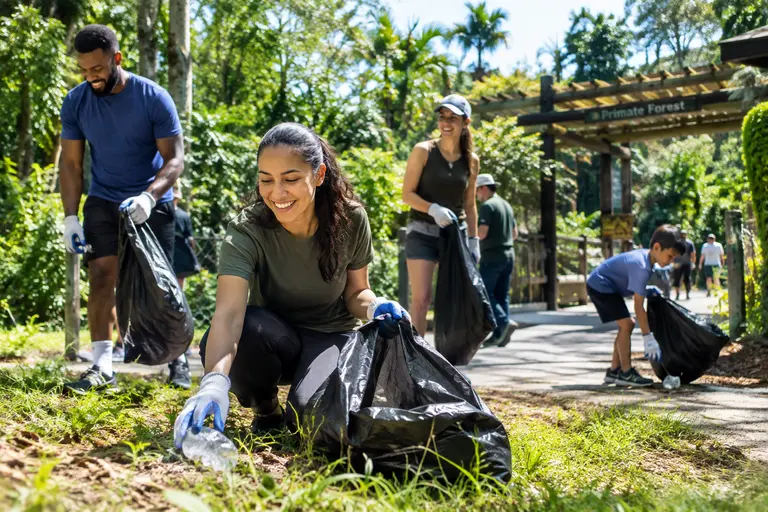
The zoo also noted that on Mondays, residents of Cuyahoga County and Hinckley Township can enter the new habitat for a discounted rate of $8 Cleveland Metroparks announced. Access matters because conservation cannot become a private conversation for only those who can easily afford it. Families deserve places where children can ask questions, caregivers can learn, and neighbors can feel part of animal protection.
How Visitors Can Carry The Message Home
The most meaningful visit is the one that changes what we do next. No one has to become a primate expert to honor the message. We can carry it into practical, everyday choices that support animals near and far.
- Adopt thoughtfully: Choose adoption through reputable shelters and rescues when the timing, resources, and home fit are right.
- Prepare before bringing an animal home: Learn about space, enrichment, diet discussions with qualified professionals, and safe introductions before making a commitment.
- Support local care networks: Volunteer, foster, donate supplies, or share adoptable animals from verified organizations.
- Ask better questions: At zoos, shelters, and rescue events, ask how animal wellbeing is supported and what visitors can do responsibly.
This is not about comparing a zoo habitat to a foster home as if they are the same. They are not. It is about seeing a shared moral thread. Animals do better when humans plan carefully, listen to trained caregivers, and accept responsibility for more than a photo opportunity.
Why Primate Forest Matters For Cleveland’s Animals
Primate Forest matters because it gives Cleveland a visible place to practice care. It asks visitors to slow down, observe, and connect animal behavior with human duty. It also gives rescue-minded people a broader frame: compassion is not divided into zoo animals over here and shelter animals over there. The habits that protect one group can strengthen how we protect another.
As of November 3, 2026, the opening had already taken place, so the real work was no longer anticipation. It was attention. The community had a new space where animal wellbeing, education, and public support could meet. For those of us who believe every animal deserves informed care, that is the chapter worth carrying forward into adoption conversations, foster homes, classroom visits, and neighborhood action.