
Wildlife Day arrives at Pasadena Humane on Saturday, October 17, 2026, with a kind of community lesson I wish every future adopter could experience before bringing an animal home. Loving pets well is not separate from respecting the wild neighbors outside our doors. It is the same muscle: patience, observation, restraint, and care.
As a foster advocate, I often meet families who are ready to love a dog or cat but have not yet thought through the world that animal will step into. Coyotes, bears, parrots, hummingbirds, rabbits, hiking trails, apartment courtyards, backyards, and open windows all become part of the care plan. Pasadena Humane#8217;s October programming gives families a practical place to start, without shaming anyone for still learning.
Why Wildlife Day Matters For Pasadena Families
Wildlife Day Details For October 17
Pasadena Humane scheduled its fourth annual event for Saturday, October 17, 2026, from 11:00 a.m. to 3:00 p.m. at 361 South Raymond Avenue in Pasadena, and the organization describes it as a free, family-friendly gathering with wildlife presentations, children#8217;s activities, ambassador animals, and a vendor marketplace featuring nature-inspired art and native plants Pasadena Humane event page. Those details matter because access matters. A free program lowers the barrier for families who may be curious about animal welfare but unsure where they fit.
The scheduled talks also connect directly to daily life in Southern California. Pasadena Humane listed presentation topics that included wildlife rehabilitation, keeping pets and wildlife safe on hiking trails and neighborhood walks, living with bears, Amazon parrot roosts, and environmental justice in community science and conservation. That is a broad menu, but it stays grounded in situations many residents recognize: the dog walk that crosses a trailhead, the cat who watches birds through a screen, the child who finds a baby bird, the family that wants to help but may not know whether helping means stepping back.
Learning Without Turning Wildlife Into Pets
For pet families, Wildlife Day is not a side note to adoption. It is part of responsible ownership. A rescued dog with a strong chase response, a newly adopted cat who wants open-window access, or a puppy learning leash manners can all affect wildlife. The solution is not fear. It is better planning.
One of the hardest lessons in animal care is that compassion does not always mean touching, feeding, or intervening. Wildlife rehabilitation exists because some animals are injured, sick, or orphaned, but most community members need guidance before acting. Pasadena Humane#8217;s event format gives people a chance to hear from wildlife professionals and conservation groups rather than guessing in a stressful moment.
I think of it as a kinder form of preparedness. We keep leashes ready, carriers clean, identification updated, and vet phone numbers handy for companion animals. We can also keep wildlife questions ready: Is this animal truly in danger? Who should be contacted? How do I keep my pet away without creating more stress? Those are not dramatic questions. They are everyday care questions.
Adoption Context Around Wildlife Day
October Adoption Efforts Had Already Helped Pets
October 2026 was not only about conservation education for Pasadena Humane. Earlier in the month, CatCon on October 10 and 11 featured Pasadena Humane#8217;s Paw Promise Adoption Village with 200 adoptable cats and kittens sponsored by NexGard-COMBO, and the Home Sweet Homecoming promotion had waived adoption fees for dogs over 40 pounds through October 4, 2026 Pasadena Star News report. Those adoption efforts had already wrapped by October 16, so the value now is reflection: community events can open doors, but lasting placement depends on preparation.
That timing gives Wildlife Day a useful bridge between two kinds of animal welfare work. On one side are pets waiting for homes. On the other are wild animals who should remain wild whenever possible. Good adopters learn to respect both. A cat adoption is not just a joyful ride home with a carrier. It is also a promise to provide enrichment indoors, safe window setups, and supervision so curiosity does not become danger. A large dog adoption is not only about space and strength. It is also about leash skills, calm trail behavior, and honest expectations.
For readers following Pasadena Humane#8217;s October adoption activity, our related recap on Pasadena Humane adoption events pairs naturally with this broader animal welfare conversation.
How Foster-Minded Families Can Prepare
Families who attend animal welfare events often feel a warm tug toward fostering or adopting. I love that impulse. I also want people to slow down long enough to make a match that can last. A good adoption question is not, #8220;Which animal touched my heart first#8221; It is, #8220;Which animal can I care for responsibly with the home, time, budget, and support I truly have#8221;
Before committing to a pet, families can use Pasadena Humane#8217;s October programming as a conversation starter at home:
- For dogs: Ask who will handle daily walks, training practice, safe trail etiquette, and supervision around wildlife-heavy areas.
- For cats: Talk through indoor enrichment, window safety, litter care, scratching outlets, and ways to satisfy hunting instincts without harming birds or small animals.
- For children: Practice calm observation, gentle voices, and asking an adult before approaching any animal.
- For budgets: Plan for food, supplies, routine veterinary care, licensing where required, and unexpected needs.
- For fosters: Confirm space, time, transport, and the ability to say goodbye when a pet is adopted.
None of this dims the joy of adoption. It protects it. The best matches are built on affection and realism together.
Responsible Pet Ownership Near Urban Wildlife
Trail Manners Protect More Than One Animal
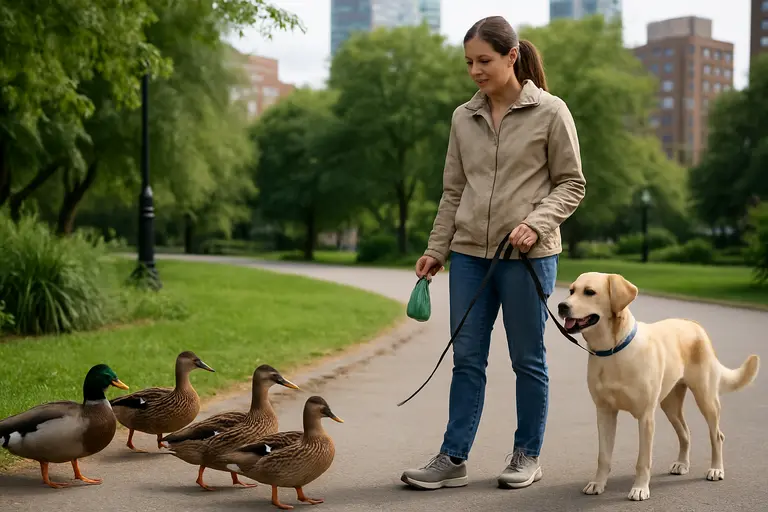
Pasadena Humane#8217;s planned presentation on keeping pets and wildlife safe on hiking trails and neighborhood walks feels especially useful for local pet guardians. A leash is more than a rule-following tool. It is a peace treaty between your companion animal, other people, and nearby wildlife. Even friendly dogs can frighten wild animals, and even calm pets can react quickly to movement.
For adopters, trail manners should be part of the transition plan, not an afterthought. Newly adopted animals are still learning who is safe, what sounds matter, and how their new humans respond. Busy paths, wildlife scent, bikes, children, and other dogs can be a lot to process. If a dog is new to your home, quiet neighborhood walks may be a kinder beginning than a crowded trail.
Children Can Learn Compassion Without Contact
Family-friendly wildlife education is powerful because children often want to help immediately. That instinct is beautiful, but it needs guidance. Children can learn that watching from a respectful distance is an act of care. They can learn that wild animals are not lost pets. They can learn that a shelter or wildlife center should be contacted through proper channels when an animal appears injured or orphaned.
This is where community events earn their keep. A child who meets an ambassador animal and hears from educators may carry that lesson into the backyard, the schoolyard, and the next family walk. A future adopter may remember that their cat#8217;s play needs matter. A dog guardian may think twice before letting a leash drag near brush. Small shifts can prevent heartbreaking situations.
Pasadena Humane Wildlife Day Starts At Home
Small Choices That Support Shelter Work
The most meaningful part of Pasadena Humane#8217;s October event is not only what happens between 11:00 a.m. and 3:00 p.m. on October 17. It is what families do afterward. Adoption and wildlife awareness both depend on ordinary choices repeated with care.
Keep cats enriched and safely housed. Walk dogs with attention. Ask questions before taking action with a wild animal. Support shelters through adoption, fostering, volunteering, donations, or simply sharing accurate information. If your pet seems ill, injured, overheated, or unusually distressed, contact a licensed veterinarian rather than relying on guesses or internet advice.
Pasadena Humane#8217;s event offers a gentle reminder: animal welfare is not divided into neat boxes. The foster kitten, the big shelter dog, the parrot roost, the bear talk, the native plant vendor, and the child learning to observe quietly all belong to the same circle of responsibility. We do not have to be experts to begin. We only have to be willing to learn, listen, and care in ways that help animals live safely in the places they belong.