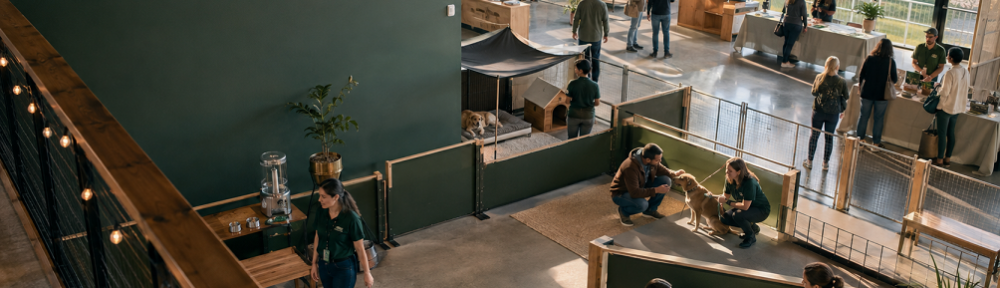
August is one of the busiest periods on the U.S. pet-adoption calendar, and 2026 is putting that scale on display again. NBCUniversal Local’s 12th annual Clear The Shelters campaign runs from August 1 through August 31, with fundraising continuing through September 15. The campaign says more than 1.3 million pets have been adopted through the initiative since 2015. For prospective adopters, volunteers, and rescue supporters, the useful question is not how large an event can become. It is whether the event gives people enough time, information, and physical space to make responsible decisions about individual animals. The 2026 Clear The Shelters campaign makes that issue especially relevant during the final week of August.
Large Adoption Numbers Still Come Down To Individual Matches
National shelter numbers explain why adoption campaigns receive so much attention. Best Friends Animal Society reports that nearly 4.7 million pets entered U.S. shelters in 2025, including about 2.4 million dogs and 2.3 million cats. Around 2.5 million shelter pets were adopted during the year.
Those figures establish the scale of the challenge, but they cannot tell a household which animal belongs in its home. A person attending a large adoption event still needs to ask about what the shelter or rescue actually knows about a pet’s routine, energy level, handling preferences, history, household experience, and adjustment needs. Some answers may be incomplete. That uncertainty should be acknowledged rather than filled with assumptions.
Best Friends’ current national shelter data shows that adoption remains one of the main live outcomes for animals entering shelters. It makes careful matching more valuable, not less. Moving quickly through a line of kennels may increase the number of introductions a visitor has, but a good adoption decision needs room for conversation.
That same principle connects with All About Pets Show’s recent Clear The Shelters adoption resource, which treats the campaign as a reason to prepare thoughtfully rather than as pressure to leave an event with a pet.
Crowd Design Can Affect The Quality Of An Adoption Conversation
A busy adoption fair creates competing demands. Volunteers answer questions, families move between animals, children become excited, vendors draw attention, music may be playing, and dogs or cats can experience an unfamiliar environment. The event organizer’s job is not simply to maximize foot traffic.
Useful event design creates separation between animal meeting areas, administrative tasks, entertainment, food service, and general foot traffic. Prospective adopters need somewhere to speak with shelter staff or foster caregivers without blocking an animal’s resting space or competing with a loud activity next door.
The scale of current events shows why this matters. Berkeley Humane’s Bark (& Meow) Around the Block is scheduled for August 29, 2026, with more than 30 Bay Area shelters and rescue organizations expected to participate. The organization describes hundreds of adoptable dogs, cats, puppies, and kittens alongside food, music, vendors, and family activities. Prospective visitors should check the official adoption event details before attending, since participation, fees, timing, and available animals can change.
A large event can make adoption more accessible by bringing many organizations together. The welfare test is whether each participating group retains enough control over its animals and adoption process to answer questions honestly and allow a visitor to walk away when a match does not make sense.
Commercial Activity Should Stay Separate From The Adoption Decision
Community events often include sponsors, vendors, food, sports conversations, giveaways, and other forms of adult entertainment. Those elements can help draw attendance, but they should remain secondary to the shelter or rescue process.
For example, an adult attendee might separately be reading BetOnline user reviews during a late-summer sports weekend. That has no useful role in determining whether a dog, cat, rabbit, or other companion animal fits a household. Betting promotions, contests, or similar adult activities should stay separate from adoption counseling, family programming, animal introductions, and welfare messaging.
The same boundary applies to any unrelated commercial activity. An adoption event becomes less useful when visitors feel pushed from one promotion to another instead of being given time to learn about an animal. Rescue groups benefit more from clear space, informed volunteers, accurate records, water, appropriate animal handling, orderly introductions, and a process that can continue after the event ends.
The pet should remain the central entity in the adoption conversation, rather than becoming decoration for a larger festival.
Foster Knowledge Can Be More Valuable Than A Perfect Event Display
Large shelter events naturally encourage visual first impressions. A dog may sit quietly near the front of a booth. A cat may approach the side of a carrier. A puppy may attract a crowd within minutes. None of those brief scenes gives a complete picture of life in a home.
Foster caregivers can add a different type of information. They may know how an animal settles after normal household activity, whether the pet prefers quiet periods, what daily routines have been observed, and which questions an adopter should discuss further with the rescue organization.
Best Friends reported in January 2026 that shelters and rescue groups with full foster programs showed substantially higher adoption rates in its survey of nearly 650 network partners. The finding supports the value of foster programs as part of the adoption system rather than treating foster homes as temporary storage. Its foster program research found organizations with foster programs were able to place a greater share of animals into homes.
Prospective adopters can use that information practically. Ask whether an animal has spent time in foster care and what observations are available. Ask which details are documented and which remain unknown. If medical questions arise, the shelter’s records and a licensed veterinarian are the appropriate sources rather than assumptions made from an event interaction.
Leaving Without A Pet Can Still Be A Responsible Outcome
Adoption campaigns naturally celebrate animals going home. A visitor who attends, asks questions, and decides not to adopt that day has not wasted the opportunity.
A household may discover that its work schedule does not match the needs of the animal it met. Housing restrictions may need clarification. Resident pets may change the type of match the rescue recommends. A family may realize it needs more time to discuss costs, travel arrangements, pet care during workdays, or access to professional services.
That pause protects both sides of the adoption.
People who are not ready to adopt may still ask the participating organization about fostering, volunteering, requested supplies, donations, transportation support, or future events. Current shelter data makes clear that community involvement extends beyond a single adoption transaction. Best Friends’ latest national figures show hundreds of thousands of dogs and cats in shelters on an average day, leaving many ways for supporters to contribute without making an immediate lifetime commitment.
What Adopters Should Look For Before Saying Yes
The final days of Clear The Shelters 2026 offer many households a chance to meet animals they might never encounter through an online profile. That opportunity is most useful when the event creates room for responsible choice.
Look for organizations that can explain their adoption process, share what is known about the animal, acknowledge what remains uncertain, discuss household fit, and explain what support is available after adoption. Pay attention to whether animals have opportunities to rest away from constant visitor interaction and whether volunteers redirect detailed medical or specialized behavior questions to qualified sources.
An adoption event should create introductions, not manufacture urgency. The strongest result is a match that still makes sense after the tents come down, the promotional campaign ends, and ordinary household routines return.
That is the standard worth carrying beyond August: fewer impulse promises, better questions, clearer expectations, and homes prepared for the responsibility that begins after adoption day.