
Let’s be honest. The saying “every pet is an individual” doesn’t always feel true. This is when you realize the real challenge of opening your home.
This isn’t about making assumptions. It’s about strategic empathy. Knowing a Persian cat’s or an Australian Cattle Dog’s genetic makeup makes fostering more than just a hope. It becomes a smart choice.
Fostering is not just good for shelters. It’s also a personal journey for the foster family. It starts with asking yourself: Are you ready for the specific needs of a pet?
It’s like watching a live-action version of nature vs. nurture in your home. A torn sofa isn’t just damage. It shows the impact of selective breeding. Are you ready to learn more?
Golden Retriever Foster Stories: Gentle Giants and Family Integration
Fostering a Golden Retriever is more about learning to live in harmony than training a dog. They come as ambassadors of joy, ready to bring peace to your home. Their way of making friends? A wagging tail that never stops.
My first lesson came when Duke helped with the groceries. He watched carefully, then started to “assist.” With a soft mouth, he’d pick up items and carry them to the living room. It was his way of helping, not causing trouble.
https://www.youtube.com/watch?v=1bj8wTB3fyE
Golden Retrievers are naturally good at fitting in. They are social and crave approval. This makes them great at blending into any family.
They quickly learn routines and schedules. They become the family’s clock, reminding everyone of their daily plans. Their calm nature helps to show you the beauty of slowing down.
The biggest lesson from fostering a Golden Retriever is about family. They show us what it means to be patient, playful, and forgiving. They teach us that being part of a family is about finding peace together.
Pit Bull Type Foster Experiences: Breaking Stereotypes Through Personal Stories
The ‘velvet hippo’ on my couch showed me the truth. It was a creature of alleged menace, but it loved sunbeams and fleece blankets. My first time foster experiences with Pit Bull-type dogs were eye-opening.
Fostering these dogs is like taking a sociology class. You’re not just walking a dog. You’re learning about societal bias in your living room. The media tells one story, but the dog proves it wrong.
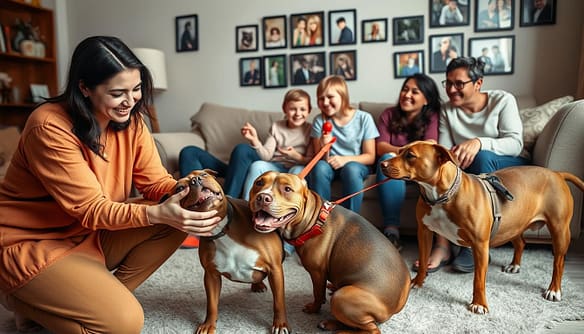
Source 1 shows the importance of not knowing a dog’s full history. It’s not a weakness. It’s an opportunity. You learn to ask the dog questions, not about it. Is he nervous? Is she curious? This is where understanding starts.
Source 3 says keeping an open mind is key. My biggest lesson? The toughest behavior wasn’t aggression. It was the dog’s joy, needing an outlet. This shows the truth behind myths.
To see the change from myth to reality, let’s look at a table. It shows the difference between common fears and real experiences for first-time fosters.
| Common Stereotype | Foster Reality | Key Takeaway for Fosters |
|---|---|---|
| Inherently aggressive and unpredictable. | Behavior is often context-driven; common issues are leash-pulling or over-excitement. | Focus on training fundamentals, not preconceived notions. |
| Low intelligence, difficult to train. | Highly eager to please and food-motivated; often quick learners. | Positive reinforcement works exceptionally well. |
| Extreme, unmanageable energy. | Energy levels vary; many are champion nappers (“couch potatoes”). | Provide structured exercise, but don’t assume constant hyperactivity. |
| Only bonds with one person. | Often exhibit profound, gentle loyalty and affection with all respectful humans. | They are family-oriented, not singularly possessive. |
| Harder to adopt out due to stigma. | Their loving personalities in foster homes become their best adoption ambassadors. | Your firsthand success story is their most powerful marketing tool. |
The real work of these first time foster experiences happens outside the home. You become a translator. You translate a tail wag at the park into a sentence the wary neighbor can understand. You learn that the most significant foster breed differences aren’t in the dog’s jaw, but in the public’s perception. And you get to rewrite the story, one snoring, sofa-occupying hippo at a time.
Senior Cat Breed Fostering: Persian, Maine Coon, and Siamese Special Needs
Switching from dog to cat fostering is like moving from a loud debate to a quiet opera. It’s less loud, but just as dramatic. Cat breed rescue fostering for seniors is more than just pet sitting. It’s about giving them a dignified end to their life.
For a Persian, fostering is like running a luxury spa for a cat with a fancy face. They face breathing problems and sinus issues. You’ll need to know a lot about cat health to spot any signs of illness early.
One of your main jobs is to groom their long, beautiful coat. This means daily grooming to prevent mats. It’s a hands-on job.
The Maine Coon is like a big, gentle Viking. As they age, they might need special support for their joints. They need comfortable beds and easy-to-use litter boxes. Senior Maine Coons need regular checks on their joints and lots of grooming.
The Siamese is like a drama critic who speaks loudly. They need lots of attention and conversation. A quiet Siamese is a sign of trouble. They need to be mentally stimulated.
What makes fostering these cats special? It’s learning to care for them in a unique way. Our complete guide to fostering shelter pets can help. But with these breeds, you’re learning a special language of care.
This work is about quiet moments, careful grooming, and understanding their needs. The reward is giving a soft landing to these special cats. That’s what cat breed rescue fostering for seniors is all about.
High-Energy Breed Challenges: Border Collie and Australian Cattle Dog Foster Journeys
Fostering a high-energy breed is more than just a home. It’s like being a full-time coach and teacher. Your days are filled with a dog’s busy schedule. It’s like having a Golden Retriever is a calm visit, but a Border Collie is a busy takeover.
These dogs are not just pets. They are smart and need lots of mental work. They need more than toys; they need complex challenges. It’s like they have a PhD in being active.
Walking with them is just the start. They need lots of exercise every day. It’s like they’re training you to keep up with them. You’ll find new muscles and they will all hurt.
The Australian Cattle Dog is focused and intense. They are like a stock trader ready to act. They always want to do something or wait for something to happen. They don’t know what downtime is.
Starting to foster these dogs teaches you to be humble. They are fast and demanding. It’s like a big challenge every day. You have to keep up with their energy and needs.
At the end, you’re amazed. These dogs are like professionals in fur coats. They teach you how to live with their energy and needs. For the right person, it’s a thrilling experience.
Small Breed Fostering Surprises: Chihuahua and Yorkie Personality Revelations
Dog-proofing becomes a challenge when a dust bunny is seen as a threat. Small breed fostering changes the rules of dog interaction. The biggest foster breed differences are found in the smallest dogs.

Fostering a Chihuahua is a lesson in unexpected surprises. You expect a fragile creature but get a tiny leader instead. Their small size is a survival tactic in a world of giants.
This changes how you approach them. With larger breeds, it’s about space. But with small breeds, it’s about their inner strength.
When it comes to dog-proofing, small objects are a big deal. A dropped pen is not just a choking hazard but a possible throne. Electrical cords are dangerous vines in a jungle you’ve created.
Securing your home means thinking like a tiny emperor. This is how you protect your small foster dog.
The Yorkie is a paradox: a lapdog with a terrier’s spirit. Their small size hides a fearless hunter. Adjusting to a home is not calming a nervous dog but channeling a tiny powerhouse.
Helping a Yorkie adjust means creating a safe space. For them, this is wherever you are, but on their terms. They don’t just seek comfort; they explore.
The adjustment period is about integrating their kingdom into yours. It’s not just about anxiety but about strategic integration.
The table below shows the main differences in preparing for these small, mighty dogs:
| Consideration Category | Chihuahua Focus | Yorkie Focus | Key Insight for First-Time Fosters |
|---|---|---|---|
| Safety Proofing | Micro-item removal (coins, jewelry), block access under furniture, provide ramps to furniture. | Secure loose wires and small textiles (socks, threads), terrier-proof trash cans and low shelves. | Think vertically and horizontally. Hazards exist at ankle height and below. |
| Environmental Adjustment | Create elevated, warm “observation posts” where they can survey their domain safely. | Provide a variety of engaging, puzzle-like toys to satisfy their high mental stimulation needs. | Adjustment is about fulfilling their innate role: Chihuahua as lookout, Yorkie as hunter. |
| Personality Management | Build confidence through gentle, consistent exposure; avoid coddling fear. | Establish clear boundaries early; their cuteness is a powerful negotiation tool. | You are not dealing with fragility, but with immense personality in a compact frame. |
| Common First-Time Surprise | The depth of their loyalty and their surprisingly loud, assertive bark. | The sheer amount of energy and curiosity packed into such a small, elegant body. | Size is the worst predictor of temperament. Preconceptions will be dismantled. |
These foster breed differences teach us that size doesn’t matter. A Chihuahua’s shiver is as complex as a German Shepherd’s alert stance. A Yorkie’s determination is as strong as any working dog’s drive.
The surprise is not that they have personalities—it’s that their personalities are vast and complex. They defy their small size.
The real lesson of small breed fostering is to respect their unique world. It makes you more observant and humble. You see them as complete, complex creatures. This shift in perspective is the real gift.
Working Breed Foster Experiences: German Shepherd and Rottweiler Rehabilitation Stories
Fostering a German Shepherd is more than adopting a pet. It’s like being checked by a four-legged security expert who values loyalty deeply. The old idea of dominance is outdated. In breed-specific fostering, it’s all about respect and trust.
You’re not trying to be the boss. Instead, you’re applying for a trusted partner role. This approach changes everything.
My first Shepherd foster, Kova, saw our home as a place to protect. Building trust is key, not obedience through fear. Kova learned that calm behavior gets rewards, like walks or toys.
This method turned suspicion into a strong bond. It’s all about cooperation and respect.
The Rottweiler, often misunderstood, was my next foster, Bruno. He had a kind look but a bad reputation. Bruno found his purpose in carrying his toys around. This simple task showed him he was valued.
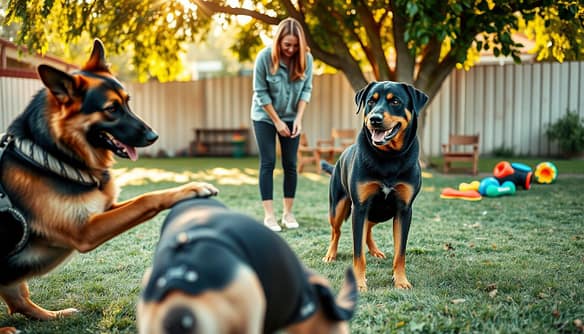
These stories of change are based on solid research, not just good wishes. For working breeds, positive reinforcement is essential. Punishment doesn’t work; it breaks trust.
Instead, you use patience and clear communication. This guides their great abilities.
The joy of dog breed fostering is deep. You’re not just giving a home. You’re changing a wrong image. You see the German Shepherd’s focus turn into loyalty. The Rottweiler’s strength becomes gentle.
This is more than just helping dogs. It’s about understanding them. It’s about seeing beyond stereotypes to their true nature.
Exotic Breed Fostering: Rare Cats and Unique Dog Breeds in Foster Care
Fostering a Golden Retriever is like hosting a friendly exchange student. But fostering a hairless cat is like caring for a sensitive, minimalist artist. They need a specific temperature to feel comfortable. This is more than just pet-sitting; it’s about curating a unique life.
The Sphynx cat is a lesson in domestication and beauty. They need sweaters because they can’t keep warm. Their oily skin needs regular baths, like preserving a sculpture. This is a challenging experience, where every detail matters.
Primitive dog breeds like the Xoloitzcuintli offer a glimpse into the past. They have ancient instincts and a strong prey drive. Fostering a Xolo is a unique experience that challenges our modern views of dogs.
Behind the witty observations, there’s a serious commitment. These animals have specialized health considerations that need expert care. Finding the right adopter takes time, which is why foster periods are often longer.
| Consideration | Exotic Cat Focus (e.g., Sphynx, Devon Rex) | Exotic Dog Focus (e.g., Xoloitzcuintli, Thai Ridgeback) |
|---|---|---|
| Time Commitment | High daily maintenance (skincare, climate control). Often longer foster-to-adopt timelines. | Significant behavioral training & socialization time. Extended fostering common for ideal matching. |
| Environmental Needs | Climate-controlled spaces, safe sunbathing spots, hypoallergenic bedding. | Secure, escape-proof yards; mentally stimulating environments; warm sleeping areas. |
| Veterinary Consultation | Essential for dermatology, dental health (common in hairless breeds), and cardiac screening. | Crucial for breed-specific issues like primitive dog epilepsy, skin conditions, and joint care. |
| Foster Outcome | Success is an adopter prepared for lifelong, specialized grooming and health monitoring. | Success is an adopter who values independence and is committed to ongoing, instinct-aware training. |
Exotic breed fostering is a specialized volunteer role. It’s for those who see a hairless cat and think about evolution. Or who look at a primitive dog and wonder about ancient human-canine partnerships. The reward is a deep education and the joy of placing a unique soul.
If you’re interested, start by exploring dedicated exotic breed rescue fostering programs. It’s where curiosity meets compassion.
Medical Foster Breed Considerations: Breed-Specific Health Issues and Care Requirements
When you see your Great Dane’s deep chest as a flaw, not a feature, medical fostering becomes real. This is when the fun starts, with a stethoscope in hand. Breed-specific fostering turns your living room into a field hospital. Your main job changes from cuddling to diagnosing.
Understanding a breed’s health needs is key. A Dachshund’s long spine is a risk for IVDD. Pugs and Persians have breathing issues. You learn to spot signs like hesitation, softer meows, and changes in appetite.
Organizations give clear guidelines, but applying them is an art. You track food intake, energy levels, and bathroom habits. Reporting a “vibe shift” to the vet isn’t enough. You need specific details.
Administering medicine to a cat, like a Siamese, is a challenge. You’ll be outsmarted. The cat will hide the pill with skill. The data on giving medicine is like a spy manual.
Working with rescue vets is essential. You’re the eyes and ears on the ground. Reputable rescues have vet networks that know breed-specific health issues. Your logs help their appointments be efficient and targeted.
This journey changes you. You become a vital part of a medical support team. The responsibility is heavy, but the learning is deep. You see animal welfare in a new light, where love is shown through careful observations and timely help.
Ultimately, breed-specific fostering in a medical setting is a big test. It removes the fluff and asks if you can provide informed, vigilant care. The answer, learned one pill and symptom at a time, is yes. It’s a lesson in responsibility.
Foster-to-Adopt Success Stories: How Breed Knowledge Led to Perfect Matches
Let’s call a “foster fail” what it often is: a success story written in advance. Data shows this so-called failure is rarely about weak will. It’s about a perfect match, the ultimate application of all those breed-specific lessons.
Think about a first time foster experience with a Border Collie. Knowing its herding drive wasn’t a flaw but a core trait led a foster to a home with a job for it. That’s dog breed fostering at its best. It prevents returns. It builds forever homes on solid ground.
The same wisdom applies to cat breed rescue fostering. Understanding a Siamese’s vocal need for conversation, or a Persian’s grooming demands, isn’t just care. It’s matchmaking. You don’t place a chatty cat with a silent apartment. You find them a willing interlocutor.
Whether you let go or hold on, the real win is love facilitated by knowledge. The adoption process data confirms it. Informed fosters make the best advocates, creating seamless transitions to permanent homes.
So, the final lesson? Smart compassion is the happy ending. It’s the triumph of seeing a creature not as a stereotype, but as a specific being with specific needs. That knowledge, earned through every foster story, is what truly finds the perfect match.