
Virginia Adoptions tied to Empty the Shelters have given local families a timely chance to meet adoptable pets with waived or reduced fees, but the heart of the choice remains the same: a lifelong commitment to care. As of September 21, 2026, two Virginia shelter efforts are especially relevant for adopters: a Fairfax County fee-waived weekend scheduled for September 25-27, 2026, and a Newport News reduced-fee special that began on September 18 and runs through September 30, 2026.
Fee relief can open a door, especially for families who have been waiting for the right moment to adopt. It should not, however, rush a match. A shelter pet is not a discount item; they are a living companion with needs, habits, fears, hopes, and a story that deserves patience. The best use of a fee-waived or reduced-fee event is to prepare early, ask honest questions, and let shelter staff help match the pet to the home.
Virginia Adoptions Dates And Fee Details
Fairfax County Animal Services listed an Empty the Shelters event for Friday, September 25 through Sunday, September 27, 2026, with all adoption fees waived at its Lorton campus from 12:00 pm to 5:00 pm, according to the county Fairfax event page. That timing gives prospective adopters a narrow window, so reviewing household readiness before the weekend is kinder to both people and pets.
In Newport News, the Fall Empty the Shelters Adoption Special runs from September 18 through September 30, 2026. The city reported reduced adoption fees for all adoptable dogs and cats, including foster animals, while pocket pets and exotic animals are not included in the special, according to the Newport News notice. Because this event was already underway on September 21, families still had time to ask about available dogs and cats before the September 30 end date.
What The Dates Mean For Families
For families comparing Virginia Adoptions, the biggest difference is timing. Fairfax was still ahead on the calendar as of September 21, while Newport News had already begun. That matters because adoption specials can draw extra community interest. A pet you saw online may already have an adoption pending by the time you arrive, and another pet who was not on your first list may turn out to be a better fit.
Good adopters stay flexible. Instead of choosing by photo alone, consider your household rhythm. A quiet apartment, a home with children, a multi-pet household, or a caregiver with long work hours may all call for different matches. Shelter teams and foster caregivers often know details that do not fit neatly into an online listing: how a pet responds to new people, what routines help them settle, and what kind of home may help them feel secure.
How Virginia Adoptions Work During Reduced-Fee Events
How Virginia Adoptions Stay Care-Focused
Reduced fees can make adoption more reachable, but they do not remove the need for careful screening. The best Virginia Adoptions still rely on conversation, transparency, and realistic planning. If a shelter asks about housing, other animals, daily schedule, or experience level, those questions are meant to protect the pet and support the adopter, not create a barrier for its own sake.
Think of the adoption conversation as a translation session. You bring the story of your home. The shelter brings the story of the animal. Somewhere in the middle is the match. A shy cat may need a slow introduction room. A young dog may need steady training and predictable exercise. A senior pet may simply need a soft place to rest and a person who values a gentler pace.
If you are new to adoption events, it may help to read more about how fee specials and public shelter campaigns can support responsible homes through thoughtful adoption planning. The fee may change for a few days; the duty of care does not.
Questions Worth Asking Before You Adopt
Bring questions that help you picture daily life, not just the first happy car ride home. Ask whether the animal has been living in a foster home or shelter kennel. Ask what staff have observed about energy level, handling comfort, sociability, and stress signals. Ask whether the pet has known preferences around children, other pets, or busy settings. If a health concern is mentioned, ask what records are available and plan to speak with a licensed veterinarian after adoption.
A simple pre-adoption checklist can steady the moment:
- Household agreement: Everyone who will care for the pet should understand the time, cost, and daily routine involved.
- Safe setup: Prepare a quiet starter space with food, water, bedding, litter or potty supplies, and secure doors or gates.
- First-week plan: Keep introductions slow, limit visitors, and give the pet time to decompress.
- Budget plan: Set aside funds for food, supplies, licensing if required, training support, and veterinary care.
- Return policy understanding: Ask the shelter what support exists if the match needs help after adoption.
Responsible Virginia Adoptions Beyond The Fee
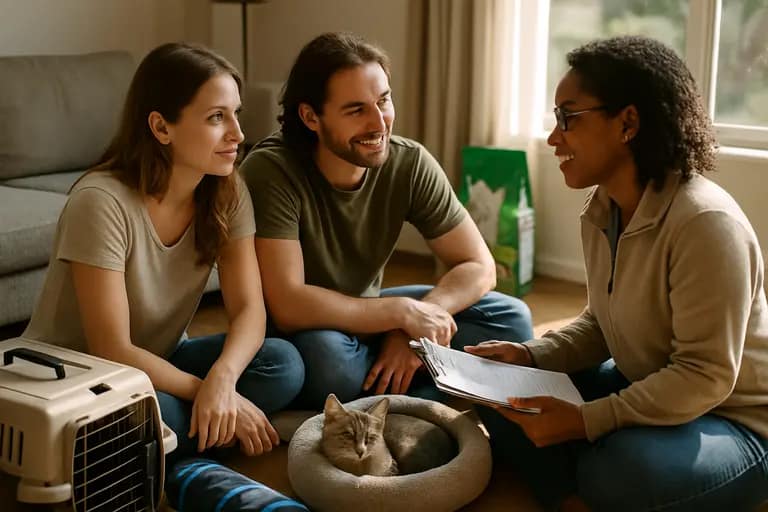
Strong Virginia Adoptions are built after the paperwork is signed. The first days can be tender and awkward. Some pets sleep deeply once they feel safe. Others pace, hide, bark, meow, or seem unsure. That does not mean the adoption has failed. It often means the animal is processing change.
Rescue pets are not required to be grateful on a human schedule. A newly adopted dog may need time to learn household sounds. A cat may study a room from under a bed before stepping into the open. Foster animals may bring helpful notes from their temporary homes, yet they still need patience when routines change. The kindest adopters measure progress in small signs: a meal eaten, a tail loosening, a curious sniff, a nap taken in plain view.
Training should be humane and practical. Reward calm behavior, protect personal space, and avoid forcing interactions with visitors or other pets. If behavior concerns feel bigger than expected, contact the shelter, a qualified trainer, or a licensed veterinarian when health could be part of the picture. Adoption is not a single act of rescue; it is a promise repeated through daily care.
Empty The Shelters In Virginia: What Caring Neighbors Can Do
If Adoption Is Not The Right Step
Not every animal lover is ready to adopt during September 2026, and that honesty helps shelters too. If your lease, schedule, finances, or family situation cannot support a pet right now, there are still meaningful ways to help. Share official shelter posts, donate supplies requested by the shelter, ask about fostering, or volunteer if the organization has open roles that match your availability.
Fostering can be especially powerful because it gives a pet a home setting while freeing shelter space for another animal. It is also a learning experience for humans. You may discover that you prefer adult cats, calm senior dogs, bonded pairs, or short-term emergency fostering. Those lessons serve the whole rescue community.
A Community Promise To Shelter Pets
The Fairfax and Newport News events show how public shelters can invite neighbors into adoption with fewer financial barriers. The invitation works best when the community answers with patience, planning, and respect for each animal as an individual. A waived fee can start the story, but steady care writes the chapters that follow.
If you are considering one of these September 2026 adoption opportunities, check the official shelter page before traveling, bring all required household decision-makers when possible, and be ready to listen as much as you look. The pet who belongs with you may not be the one you expected. That is often how rescue changes a home: quietly, honestly, one thoughtful match at a time.