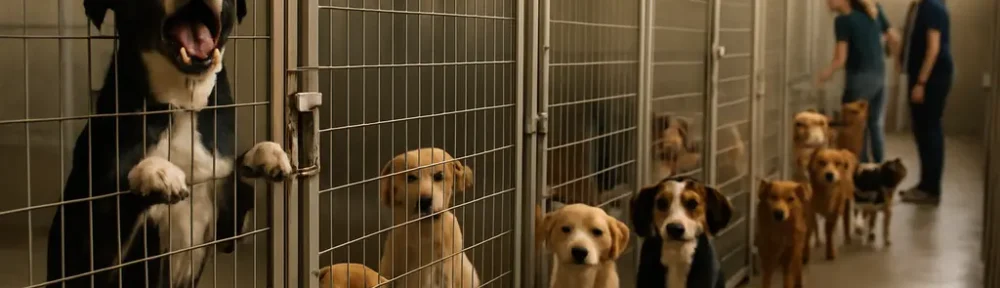
Shelter Overcrowding at San Diego Humane Society was not an abstract capacity problem in August 2026. It meant full kennels, emergency spaces, longer stays for dogs, and staff asking the public for real help. The available reporting used here covered August 2026, so the exact count on October 19, 2026 is not established in these notes. What is clear is that the pressure had already reached a level that asked neighbors to see sheltering as a shared responsibility, not someone else’s emergency.
Shelter Overcrowding At San Diego Humane
The San Diego Humane Society’s public plea on August 26, 2026 gave the community a stark set of numbers. On that date, the organization reported being at 171% of its dog capacity, and it took in 103 animals that same day, including 23 adult Chihuahuas, several connected to eviction-related circumstances, according to a KPBS report. That combination matters because intake does not pause when kennels are full. Dogs still arrive, families still face housing and financial strain, and shelter teams still have to find a safe place for every animal in their care.
Shelter Overcrowding Numbers Behind The Plea
By late August 2026, San Diego Humane Society was housing nearly 1,900 animals across species and averaging 80 new intakes per day, the same KPBS report said. The average length of stay for dogs had risen to 59 days, up 28% from the same period the previous year. Shelter Overcrowding is not only about how many animals are in a building on one day. It is also about how long each animal waits, how quickly new animals arrive, and whether adoptions and foster placements can keep pace.
That longer wait can weigh on a dog’s chance to be seen. A quiet dog may retreat. A young, energetic dog may look more unruly in a kennel than in a living room. A large dog may be overlooked because a family is unsure about space, training, or cost. None of those animals are statistics to the people feeding them, walking them, cleaning around them, and trying to help them meet the right adopter. They are dogs with daily needs and possible futures.
Emergency Spaces Show The Strain
By early August 2026, all four San Diego Humane Society facilities were full, emergency kennels had been set up across the street from the main San Diego campus, and emergency sheltering included office and storage spaces, according to NBC 7 San Diego. Those details are easy to read past, but they reveal how far beyond normal design shelter operations had been pushed.
Office and storage areas are not built to feel like calm dog housing. Emergency kennels can be necessary, but they also signal that the system is asking staff, volunteers, and animals to cope with conditions that were meant to be temporary. The humane response is not panic. It is steady, informed community action: adoption when the match is right, fostering when a home can offer short-term care, and practical support when people cannot bring an animal home.
How Community Choices Ease Shelter Overcrowding
Most people cannot change a regional shelter crisis alone. That can make the numbers feel too large to touch. But shelters do not need one heroic answer; they need many ordinary commitments that add up. One foster home opens a kennel. One adoption gives a dog a permanent family. One volunteer shift can help dogs get enrichment, visibility, and human connection. One neighbor sharing accurate information can help a dog reach the person who has been waiting for that exact companion.
Foster Homes Create Breathing Room
Fostering is not a lesser form of rescue. It is one of the most practical ways to help when facilities are full. A foster caregiver may offer a dog rest from kennel stress, observe home behavior, and provide shelter staff with information that can help future adopters make a thoughtful decision. Fosters should be honest about their schedule, home setup, resident pets, and comfort level before accepting a placement. Responsible rescue work starts with a safe match, not a rushed yes.
For neighbors who want to help without adopting right away, our related piece on San Diego volunteers offers practical ways people can support shelter pets through service, fostering, and community help.
Adoption Starts With Honest Fit
Adoption is most helpful when it is built to last. That means looking beyond a photo and asking careful questions: Can the household manage the dog’s size and energy? Is everyone ready for decompression time after shelter life? Are pet deposits, food, supplies, licensing, and future veterinary costs realistic? If health questions come up, adopters should speak with a licensed veterinarian rather than relying on social media advice or guesswork.
Shelter Overcrowding can make loving people feel rushed, especially when they see urgent posts. Compassion still needs preparation. A good adoption conversation may include the dog’s known history, behavior observed in the shelter, compatibility notes, and what support the adopter can expect after going home. If the right answer is “not this dog,” that is not a failure. It keeps the door open for the right dog and protects the animal from being returned under stress.
Pressures Behind Long Shelter Stays
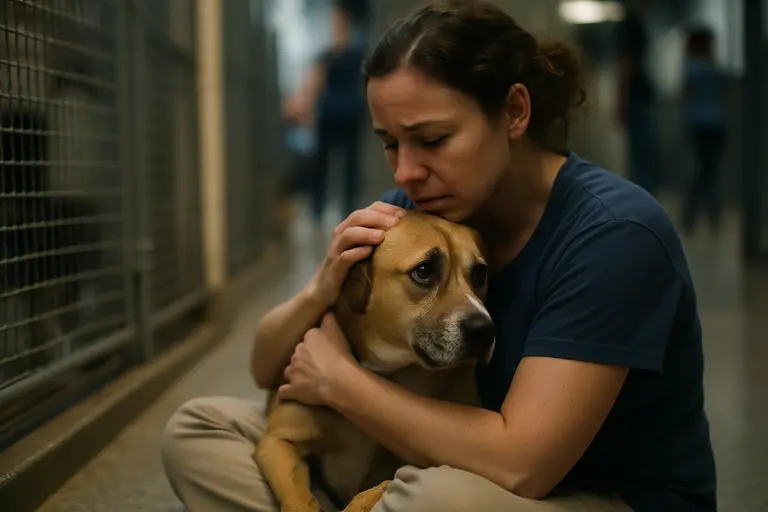
The August 2026 data pointed to a painful mismatch: many animals were arriving while dogs were staying longer. That creates a traffic jam inside the shelter. New arrivals need space, intake care, and assessment. Dogs already waiting need daily care and chances to be noticed. Staff must balance urgent intake needs with the slower, relational work of helping animals move into homes.
Housing And Family Stress Reach The Kennels
The 23 adult Chihuahuas taken in on August 26, 2026 included several tied to eviction-related circumstances, according to the KPBS reporting. That detail matters because shelter pressure often begins outside the shelter walls. Housing instability, financial strain, family emergencies, and limited pet-friendly options can all push people toward surrender even when they care about their animals. The humane response includes helping pets and people whenever possible, while still recognizing that shelters are left carrying the immediate care burden.
This is where community compassion has to be broad enough to include both the animal and the person. Shaming families rarely opens kennels. Practical support can. That might mean sharing legitimate foster requests, donating requested supplies, helping a neighbor solve a temporary pet-care problem, or adopting only after a clear household conversation.
Large Dogs Need Visibility
San Diego Humane Society’s August 2026 plea especially asked the public to foster or adopt, with large dogs named as a key need in the available reporting. Large dogs can be wonderful companions, but adopters may have real questions about leases, yard space, transportation, strength on leash, and introductions to resident pets. Those questions deserve honest answers, not pressure.
A potential adopter can help by visiting with an open mind and a practical checklist. Ask shelter staff which dogs may fit the home you truly have, not the home you wish you had. If you rent, confirm pet policies before meeting dogs. If you have children or other animals, ask about safe introduction steps recommended by the shelter. If you work long hours, talk about routines that are fair to the dog. These conversations protect adoptions and honor the animal as an individual.
San Diego Humane Society Overcrowding Crisis
The San Diego Humane Society overcrowding crisis in August 2026 showed how quickly a community safety net can become stretched. The 171% dog-capacity figure, the nearly 1,900 animals in care, the 80 daily intakes, and the 59-day average dog stay all pointed in the same direction: the shelter needed public participation, not passive sympathy.
Shelter Overcrowding Is A Shared Responsibility
Shelter Overcrowding at this scale asks each household to consider its own honest next step. For some, that step is adopting a dog whose needs fit their life. For others, it is fostering, volunteering, donating requested items, or sharing accurate shelter information with neighbors. People who cannot bring an animal home are not outside the rescue circle. Community care has many doors.
The dogs waiting in San Diego are not problems to be managed from a distance. They are living beings whose futures depend on a chain of human choices: a landlord policy, a foster opening, a staff member’s patience, an adopter’s readiness, a neighbor’s willingness to help. When those choices line up, a crowded shelter can become a bridge home.