
San Diego dog crowding became one of the clearest animal welfare warnings in the region during August 2026. For families who love dogs, it was painful to read. For shelter teams, fosters, adopters, and volunteers, it was also a call to respond with care rather than panic.
The numbers mattered because each number represented a living dog waiting in a kennel, a foster home, or another temporary care setting. San Diego Humane Society reported record pressure around adult dogs, while daily animal intake continued to test space, staff time, and community resources. The kindest response is not guilt. It is steady, realistic help: adoption when a household is ready, fostering when a household can commit, and neighbor support that keeps pets safely with the people who love them whenever possible.
San Diego Dog Crowding By The Numbers
San Diego Dog Crowding In August 2026
In August 2026, San Diego Humane Society had 766 adult dogs in its care, which was higher than the 690 adult dogs reported in August 2025, according to Axios San Diego. That comparison helps explain why the shelter’s appeals sounded so urgent: this was not a normal busy week or a short seasonal bump.
KPBS reported that, in early August 2026, San Diego Humane Society was caring for nearly 1,900 animals across its campuses. On a typical day that month, about 80 animals entered care, and dog capacity reached 171% in late August 2026, according to KPBS Public Media. Those figures point to a shelter system carrying more animals than its dog housing was built to hold comfortably.
What Longer Stays Mean For Dogs
KPBS also reported that the average length of stay for a dog rose to 59 days in 2026, a 28% increase from the prior year. A longer stay does not mean a dog is unwanted or unlovable. It can mean fewer adopters are able to say yes, more dogs are arriving than leaving, and shelter staff must stretch enrichment, cleaning, feeding, and care across more animals.
For dogs, time matters. Shelter teams often work hard to provide walks, play yards, training support, and quiet breaks. Still, a kennel is not the same as a settled home. When a dog waits weeks longer, small acts from the public can become meaningful: a foster weekend, an adoption conversation, or a shared post from the shelter’s own channels can help create a better match.
Why Community Pressure Reached The Kennels
Housing Stress Shows Up At Shelter Doors
One late August 2026 intake day included 103 animals, among them 23 adult Chihuahuas surrendered after an eviction in Imperial Beach, KPBS reported. That detail is not a reason to judge a family. It is a reminder that housing instability can become an animal welfare issue very quickly.
Many pet guardians want to keep their animals but can face barriers such as rent rules, moving deadlines, pet fees, or sudden life changes. The shelter becomes the visible part of a much larger community strain. This is where compassion has to include both animals and people. Shaming someone who surrendered a pet rarely opens a kennel. Helping neighbors find pet-friendly housing leads, temporary supplies, or short-term support may prevent a future surrender.
Adoption Decisions Need Time And Honesty
San Diego dog crowding also asks adopters to think beyond a sweet photo. A good adoption is not an impulse rescue; it is a promise built around daily care, safe housing, time, budget, and patience. Some dogs may need decompression after shelter life. Some may do best as the only pet. Some may need slow introductions or professional help from a qualified trainer. If a pet has health concerns, families should consult a licensed veterinarian rather than rely on online guesses.
That honesty protects the dog and the household. It also helps shelters avoid quick returns, which can add more stress for everyone involved. Adoption can be beautiful, but the strongest matches are made when people are clear about energy level, schedule, landlord rules, and the full cost of pet care.
Practical Ways Neighbors Can Help
Foster Support Without Overpromising
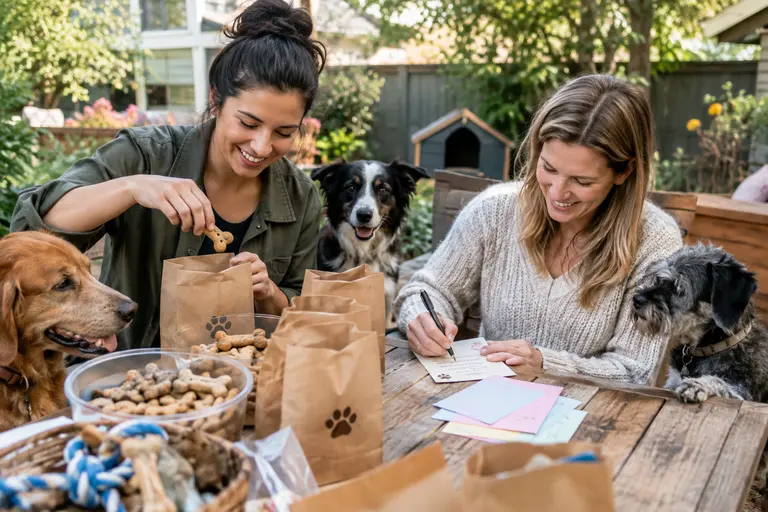
Fostering can create breathing room during shelter crowding, especially for dogs who need a quieter place to rest. A foster home does not have to be perfect. It does need to be safe, consistent, and honest with the shelter about what it can handle. A family that can foster a calm adult dog for a short period is offering real help. A person who can only take a dog for an approved day outing may still support enrichment and visibility.
San Diego dog crowding is not solved by one grand gesture. It is eased by many small commitments that match real life. If you rent, check your lease first. If you have pets, ask the shelter about introductions. If your work schedule is tight, ask whether short-term fostering, transport, laundry, or adoption event support is a better fit. For readers who want a related local action piece, our coverage of Shelter Overcrowding at San Diego Humane offers more context for neighbor support.
Adoption With A Real Home Plan
Adopting a shelter dog should begin with practical questions, not pressure. What size and temperament fit your home? Can you afford food, supplies, routine veterinary care, licensing, and emergency needs? Does everyone in the household agree? Are you ready to give a dog time to settle before expecting polished manners?
- Adopt if you are ready: Choose a dog based on lifestyle fit, not pity alone.
- Foster if you can offer time: Even temporary care may open space for another animal.
- Volunteer within your limits: Walking, cleaning, laundry, admin help, and outreach can all matter when approved by the shelter.
- Share verified shelter posts: Use official information so families see accurate needs, hours, and adoption details.
- Support pet retention: Food, supplies, and respectful neighbor help may keep some animals out of shelters.
Community support works best when it is coordinated. Shelters need people to follow their processes because those steps are designed to protect animals, adopters, fosters, staff, and existing pets. Kindness without structure can create confusion. Kindness with follow-through can create space.
San Diego Humane Society Dog Crowding Needs Steady Help
San Diego dog crowding in 2026 showed how quickly shelter capacity can be strained when intake rises, stays lengthen, and adoptions slow. The reports from August and September did not describe a simple problem with one simple fix. They described a community challenge tied to housing, household budgets, adoption readiness, and the daily labor of caring for many animals at once.
The most humane response is steady and local. If you can adopt, adopt thoughtfully. If you can foster, be clear about your limits and follow shelter guidance. If you cannot bring home a dog, you can still share accurate information, donate needed supplies through official channels, encourage pet-friendly housing conversations, or support neighbors before they reach a crisis point.
Every kennel opened through a good match matters. Every foster break matters. Every family that keeps a beloved pet safely at home matters. The record numbers were sobering, but they also showed how much power a caring community has when it responds with patience, responsibility, and respect for both ends of the leash.