
As October 29, 2026, arrives near the close of Adopt a Shelter Dog Month, the Rescue Effect campaign gives pet lovers a clear reminder: adoption is not only a happy ending for one animal, it can create breathing room for the next dog or cat who needs help. The ASPCA’s 2026 effort, run in partnership with Subaru of America from August 1 through the end of October, has connected national attention with local shelter action.
That community-first idea matters because shelters work best when the public sees them as neighborhood resources, not distant institutions. A good adoption does not begin with a dramatic impulse. It begins with honest questions: What can my household manage? What does this dog need? How can I support a shelter even if I cannot adopt right now?
Rescue Effect Campaign And Adopt A Shelter Dog Month
The ASPCA described its 2026 effort as a national campaign with more than 450 participating shelters and rescues across the United States, and it provided $2 million in grants, with about 200 shelters using grant support to waive adoption fees and offset operating costs during the campaign ASPCA campaign announcement. That is a practical kind of help. Fee relief can reduce one barrier for prepared adopters, while grant support can help shelters keep basic operations moving during a busy period.
Adopt a Shelter Dog Month has always carried a hopeful message, but the Rescue Effect campaign frames that hope as a chain reaction. When one pet leaves a shelter through adoption or foster care, staff and volunteers may gain more space, time, and resources to assist another animal. That does not mean every person should rush into adoption. It means every thoughtful match has value beyond one front door.
Rescue Effect Campaign Numbers With Real Shelter Meaning
The numbers behind the campaign are large, but they point back to very local moments: a kennel opening, a foster family saying yes, a volunteer spending time with a nervous dog, a family choosing patience over speed. The ASPCA said nearly six million dogs and cats entered shelters and rescues nationwide in 2025, and that it helped find or support placement for nearly 71,000 animals in 2025 through programs including Rescue Effect, regional adoption events, and municipal shelter partnerships ASPCA placement details.
Those figures should not make anyone feel powerless. They should make the path clearer. Adoption, fostering, volunteering, donating supplies, and sharing accurate shelter information are all useful forms of participation. The right choice depends on your home, schedule, budget, and emotional bandwidth.
Why Fee Relief Still Requires Careful Planning
Waived or reduced adoption fees can be wonderful for qualified homes, but a lower adoption cost is not the same as a lower lifetime commitment. Dogs still need food, identification, enrichment, safe handling, routine veterinary care, and time to settle into a new place. If a dog has medical or behavior questions, adopters should work with the shelter team and consult a licensed veterinarian or qualified professional rather than guessing.
A responsible adoption conversation is not an interrogation. It is a matchmaking session. Shelter staff often know who prefers a quiet household, who lights up around other dogs, who needs decompression time, and who may thrive with an experienced adopter. Listening to that guidance can protect both the animal and the family.
How Families Can Adopt With Care
Adoption works best when people start with the life they actually live, not the life they wish they had on a perfect weekend. A high-energy dog may be delightful, but if the household is away for long workdays and prefers calm evenings, a quieter adult dog may be a kinder fit. A puppy may be adorable, but puppies need supervision, social learning, and routine. Senior dogs may bring tenderness, steadiness, and an easier read on personality.
Before visiting a shelter, families can agree on non-negotiables. Housing rules, landlord policies, allergies, travel schedules, children’s needs, existing pets, and monthly pet-care costs should be discussed before anyone falls in love in front of a kennel door. That sounds less romantic than a surprise adoption, but it is much more loving.
Questions To Ask Before Saying Yes
Good questions help shelters make better matches. Ask what the shelter has observed about the dog’s energy level, handling comfort, house-training history if known, response to other animals if assessed, and any medical follow-up already recommended. If the answer is “we do not know,” that is not a failure. Many shelters receive animals with limited background information. Uncertainty simply means the adopter should plan for patience.
- Home fit: Does this dog appear to need a quiet home, active home, fenced area, or gradual introductions?
- Time fit: Can the household support decompression, routine, and training after adoption?
- Budget fit: Are food, supplies, licensing, preventive care, and veterinary visits realistic?
- Support fit: Is everyone in the home willing to use the same rules and gentle handling approach?
For families still comparing ways to help, our related piece on how the campaign supports local adoption can help connect adoption, fostering, donations, and advocacy in a grounded way.
Fostering Helps Shelters Before Adoption Happens
Fostering can be one of the kindest forms of temporary commitment. A foster home may give a dog a quieter place to rest, help a shelter learn more about that dog’s personality, and free shelter space for another animal. Not every foster placement is easy, and not every home is suited to every dog, but a well-supported foster match can be a gift to the animal and the shelter team.
The Rescue Effect campaign also makes room for people who are not ready to adopt. A person might foster for a short period, help transport supplies, take photos for adoption profiles, or share shelter posts with accurate context. Small tasks become meaningful when many neighbors take part.
What Foster Homes Can Offer
Foster homes do not need to be perfect. They need to be honest, communicative, and willing to follow the shelter or rescue’s guidance. That can include keeping a foster dog separate from resident pets at first, using secure leashes and gates, tracking observations, and asking for help early. If a foster dog seems unwell or has a health concern, the foster should contact the shelter or rescue and consult a licensed veterinarian through the proper channel.
For rescue groups, foster feedback can help shape adoption profiles. Does the dog enjoy a predictable routine? Does the dog settle after a walk? Is the dog more confident with gentle encouragement? These observations can help future adopters see the dog as an individual, not a kennel card.
Community Support Beyond The Adoption Day
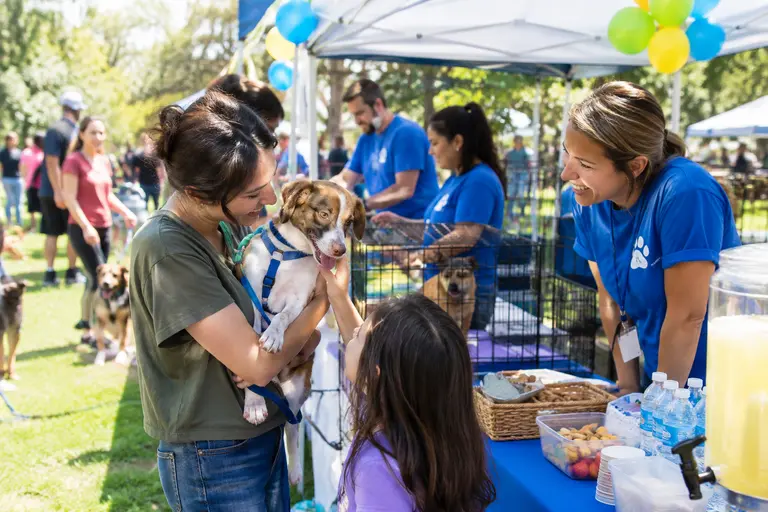
One of the most caring things a community can do is treat adoption as the beginning of support, not the finish line. New adopters may need encouragement during the adjustment period. Dogs may need time to learn household rhythms, and people may need reminders that decompression is normal. A neighbor who offers patience, a trainer referral from a shelter-approved source, or help with a midday walk can reduce stress for everyone.
Local businesses, schools, civic groups, and pet lovers can support shelters without handling animals directly. Supply drives, volunteer recruitment, adoption event promotion, and fundraisers all help. The key is to ask shelters what they actually need before collecting items. A closet full of unusable donations can create more work for already busy teams.
Responsible Advocacy Matters
Sharing adoptable pets online can help, but accuracy matters. Use the shelter’s original post when possible, avoid adding unverified claims, and do not pressure people into adopting a pet they cannot support. The best advocacy is warm, truthful, and respectful of both the animal and the potential adopter.
It is also helpful to celebrate adult dogs, large dogs, bonded pairs, shy dogs, and pets who need specific home environments. Every dog deserves to be seen clearly. A thoughtful description may not reach the most people, but it can reach the right person.
Rescue Effect Campaign Choices For Shelter Dogs
As the Rescue Effect campaign nears its scheduled close at the end of October 2026, the message should not fade with the calendar. Adopt a Shelter Dog Month can spark attention, but shelters need steady community care all year. Adoption is powerful. Fostering is powerful. So is donating, volunteering, and speaking kindly about shelter pets.
The most meaningful choice is the one you can sustain. If your home is ready, ask your local shelter about dogs who match your lifestyle. If adoption is not right now, ask about fostering or volunteer needs. If time is tight, consider a donation or share an adoptable pet with accurate details. One well-matched dog leaving a shelter can open space for another. That is the rescue effect, and it belongs to the whole community.