
The Rescue Effect campaign launched on August 1, 2026, and the ASPCA scheduled it to run through Adopt a Shelter Dog Month in October 2026, with more than 450 shelters and rescues participating nationwide ASPCA campaign announcement. For families who have been thinking seriously about adoption, this national effort is a loving prompt to act with care, not pressure.
As a volunteer and animal advocate, I get especially hopeful about campaigns that make room for many kinds of helpers. Some people are ready to adopt. Some can foster for a short period. Some can donate pet food, towels, transport time, or kind words to tired shelter staff. The shared goal is simple: help animals move from waiting spaces into safe, prepared homes.
What The Rescue Effect campaign Means For Adopters
Rescue Effect campaign Dates And Reach
The ASPCA described the 2026 effort as the third annual campaign, launched on August 1, 2026, and tied to adoption activity through October 2026. That timing matters because it gives shelters more than a single event day to connect pets with potential adopters. A longer window also gives families time to ask questions, meet animals thoughtfully, and talk through the day-to-day care that follows adoption.
For families drawn to unique breeds, mixed-breed dogs, shy cats, rabbits, seniors, or pets who need quieter introductions, the Rescue Effect campaign can feel like a wider open door. Still, a reduced or waived fee should never be treated as an impulse invitation. Adoption is a promise that includes food, safe housing, enrichment, training support where needed, routine veterinary care, and patience while a pet settles in.
Why Fee-Waived Does Not Mean Care-Free
The ASPCA is providing $2 million in 2026 grants to shelters and rescues across the United States, and 200 participating shelters are expected to offer at least two fee-waived adoption days or events each month during the campaign period ASPCApro grant details. That support can help organizations reduce barriers for adopters while also covering operating costs.
Fee-waived adoption does not mean a pet has no value. It means a shelter, rescue, sponsor, or grant program is helping with one part of the cost so more families can meet animals who are ready for homes. The real commitment begins after the adoption paperwork: introductions to children or resident pets, a routine for meals and rest, and a plan for veterinary visits with a licensed veterinarian.
How Fostering And Local Support Help Shelters
Foster Care Gives Animals Breathing Room
Fostering is one of the kindest bridges between shelter life and adoption. It can give an animal a quieter place to decompress, help shelter teams learn more about personality and habits, and create space for another animal at the organization. Not every foster situation is easy, but good foster homes are honest, observant, and willing to communicate with the shelter or rescue team.
If you are not ready to adopt, fostering may still fit your household. Ask a participating organization what types of foster needs they have. Some may need short-term care during events. Others may need homes for adult dogs, cats, rabbits, or pets who are waiting for the right match. If you have resident animals, small children, limited space, or travel plans, say so at the start. A clear “not this pet, not this week” can be just as responsible as an enthusiastic yes.
Small Acts That Respect Shelter Staff
Campaigns bring welcome attention, but they can also bring busy lobbies, full inboxes, and fast-changing adoption availability. Community support works best when it is practical. Read the organization’s instructions before arriving. Bring required identification if requested by that organization. Be patient if staff or volunteers are helping several families at once. If the pet you hoped to meet has already been adopted, celebrate that outcome and ask who else may be a good fit.
For readers comparing ways to help during the same national effort, our local volunteer primer on adopt and foster support shares more neighbor-level ideas without treating adoption like a race.
Responsible Adoption During National Campaigns
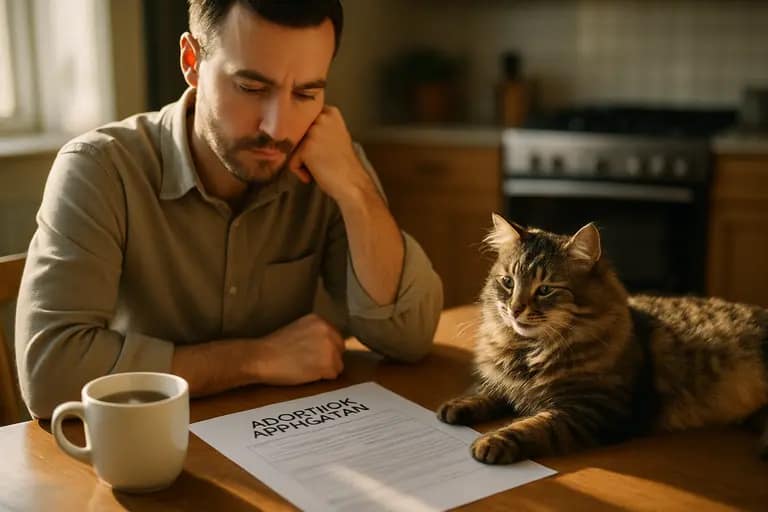
Match The Pet To The Home
A thoughtful match starts with daily life, not just appearance. A high-energy young dog may need more activity, training time, and supervision than a busy household can give right away. A timid cat may need a quiet room and slow introductions. A rabbit may need safe indoor housing, daily care, and a family ready to learn species-specific needs. A senior pet may be a beautiful fit for someone who values calmer companionship and is prepared for age-related care discussions with a veterinarian.
Breed labels can be helpful clues, but they are not full biographies. Every animal is an individual. Ask what the shelter or foster caregiver has observed: comfort with handling, response to new places, play style, noise sensitivity, and any known history. If information is limited, accept that uncertainty with compassion. Many shelter pets reveal themselves gradually once they feel safe.
Plan For Care After Adoption Day
Before adopting, gather the basics: a safe ride home, food recommended by the organization, appropriate bedding, identification, and a quiet decompression area. Schedule a wellness visit with a licensed veterinarian and bring any records provided by the shelter or rescue. If behavior questions come up, ask the organization for referrals to qualified trainers or behavior professionals who use humane, reward-based methods.
- Adopt if you are ready: Choose a pet whose needs fit your household, time, budget, and energy.
- Foster if you can offer temporary care: Be honest about your schedule, space, and comfort level.
- Donate if your home is full: Ask local shelters which supplies they can use before buying items.
- Advocate with care: The ASPCA campaign also calls for public action such as fostering, donating supplies, and legislative advocacy tied to animal welfare support.
The best adoption stories are not the fastest ones. They are the ones where people pause long enough to ask, “Can I meet this animal’s needs after the excitement fades?” That question protects pets, adopters, and shelter teams alike.
Rescue Effect campaign Community Action
The Rescue Effect campaign is a reminder that animal welfare is built by communities, not by shelters alone. A single adopter changes one life directly. A foster home gives shelter staff more options. A donor helps cover everyday needs. A volunteer who greets families kindly can make an overwhelming day feel welcoming.
As of September 14, 2026, the campaign had already launched and was scheduled to continue through October 2026. That gives caring people time to participate thoughtfully. If your family is ready, contact a participating shelter or rescue and ask which animals may fit your home. If adoption is not possible, consider fostering, supply donations, transport help, or advocacy. The heart of this work is not speed. It is steady, responsible love for animals who deserve safe homes and for the people working hard to help them get there.