
Football watch parties bring food, guests, open doors, cheers, and long stretches of attention focused on the television. For dogs and cats, that can turn an ordinary afternoon into a house full of unfamiliar movement. Pet owners can make the event easier by planning the pet’s routine at the same time they plan seating and snacks. The American Pet Products Association reported in March 2026 that 95 million U.S. households owned at least one pet in 2025, a reminder that game-day gatherings often include animals as part of the household. Its current pet ownership data puts responsible home planning in a much larger context: a watch party can be fun for people without asking the pet to participate in every part of it.
Start With The Pet’s Normal Routine
The best setup starts before the first guest arrives. Keep feeding, walks, litter-box access, and normal rest periods as close to the household’s usual pattern as possible. A dog that normally settles in a bedroom after a walk may prefer that familiar option to a crowded living room. A cat that usually retreats to a quiet room should still have access to that space.
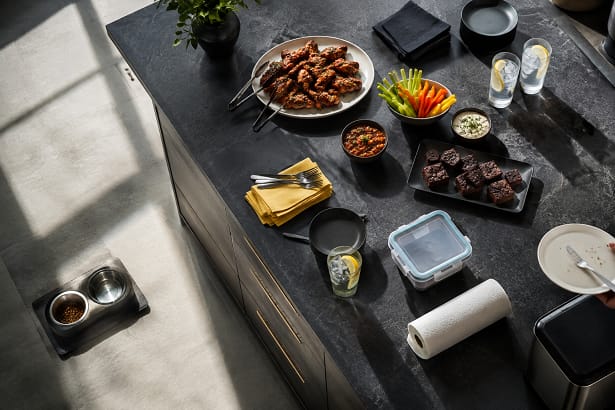
The ASPCA’s game-day pet safety guidance recommends keeping a pet’s regular food available and cleaning plates and trash as the gathering moves along. That creates a simple division between human snacks and the pet’s own food. It gives guests a clear rule, too: do not hand out table food without the owner’s permission.
A calm resting area can be simple. A familiar bed, water, normal toys, and a room away from the busiest doorway may be enough for a pet that prefers less activity. The goal is choice, especially during loud plays, arrivals, deliveries, and repeated trips to the kitchen.
Treat The Snack Table As A Pet-Free Zone
Football food is often rich, salty, sweet, or served in small pieces that are easy to drop. Several common ingredients create real risks for pets. The ASPCA’s people foods to avoid list includes alcohol, chocolate and caffeine, grapes and raisins, onion, garlic, chives, xylitol, and several high-fat foods.
That makes the coffee table and kitchen island part of the pet-safety plan. Put serving bowls where pets cannot reach them, clear abandoned plates, and check the floor during commercial breaks. Trash needs the same attention. Wings, wrappers, toothpicks, napkins, dessert containers, and drink cups can remain interesting to a curious pet long after guests stop watching them.
Owners should avoid guessing about a suspected ingestion. If a pet may have eaten a hazardous food, medication, alcohol, or another unsafe substance, contact a veterinarian or the ASPCA Animal Poison Control Center for case-specific guidance rather than trying a home remedy.
Manage Guests, Bags, Doors, And Game Noise
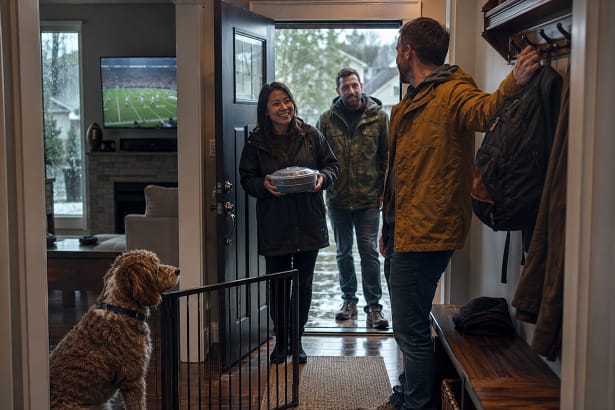
The busiest moments may happen far from the television. Guests arrive with coats, purses, backpacks, medications, drinks, and food containers. The ASPCA advises hosts to keep guest medications and personal items away from pets, since an unattended bag can become an unexpected access point.
Door management matters just as much. Pick one person to watch the main entrance during arrivals and food deliveries. Use the household’s normal leash, gate, or room setup if that is already part of the pet’s routine. Pets that become unsettled by crowds do not need to greet every visitor. Guests can enjoy the event without crowding, calling, lifting, or repeatedly touching an animal that is trying to rest.
Noise deserves similar restraint. A touchdown can produce shouting, clapping, and sudden movement. Hosts do not need to make the room silent, but they can keep speakers at a reasonable level and leave a quieter part of the home available.
Keep Adult Game-Day Entertainment Separate From Pet Care
Football Sundays can include fantasy contests, pools, predictions, or wagering discussions among adults. Some guests may separately compare most-recommended sports betting sites before kickoff. That activity belongs on the adult side of the gathering and should stay separate from anything presented as pet care, pet enrichment, or animal-centered entertainment.
For the host, the pet-related priorities remain much more practical: secure food, controlled doors, accessible water, a familiar rest area, and guests who know the house rules. A dog or cat does not need a football costume, a themed plate, or nonstop interaction to be included in the day.
Make Cleanup Part Of The Safety Plan
The final whistle is not the end of pet supervision. Cups, dropped snacks, medication packaging, food wrappers, and plates can remain around the house after guests leave. A fast room-by-room cleanup removes items that may become more tempting once the house is quiet.
Return furniture, gates, bowls, and resting spaces to their normal places. Give the pet access to its usual routine rather than turning cleanup into another round of excitement. If anything seems missing from a plate, bag, or countertop and there is a realistic chance the pet reached it, checking with a veterinarian is safer than waiting for a problem to become obvious.
What Pet Owners Should Check Before Kickoff
A pet-safe football watch party is less about themed accessories and more about household management. Before guests arrive, know where the pet will eat, rest, drink, and retreat. Decide who watches the door, where bags and medications go, how plates will be cleared, and which room stays quieter if the living room becomes loud.
The strongest game-day plan respects the difference between human entertainment and animal welfare. Guests can celebrate, eat, debate the matchup, and enjoy the afternoon. The pet gets a predictable routine, fewer opportunities to reach unsafe items, and space to step away from the crowd. That is a far more useful form of inclusion than expecting every dog or cat to become part of the party.