
DogFest Events are more than cheerful dog-friendly gatherings; they are community fundraisers tied to a serious promise: helping Canine Companions provide trained service dogs to people with disabilities at no cost to the recipient. Canine Companions states that raising, training, and supporting each service dog costs about $50,000, while the dog is provided free of charge to the person matched with that partner Canine Companions DogFest. That single fact gives every walk team, sponsor table, volunteer shift, and donation page a clear purpose.
For those of us who care about foster pets, rescue, and responsible pet ownership, DogFest offers a thoughtful reminder: community care is not just what happens after an animal is adopted or placed. It begins much earlier, with training, patient volunteer support, public education, and realistic expectations for life with a dog. The event model is not an adoption drive, but it sits beside the same values that help shelter animals and family pets succeed: preparation, compassion, and people showing up before a crisis.
How DogFest Events Support Service Dogs
Why DogFest Events Matter
Canine Companions has been placing service dogs since 1975, and the organization has placed more than 8,900 expertly trained service dogs with adults, children, and veterans with disabilities. The same reporting also noted more than 400 people were still on the waitlist for a canine partner DogFest Long Island details. Those numbers help explain why a local fundraiser can feel both joyful and weighty. A family-friendly event with music, vendors, and dogs on leash is also part of a larger system that requires years of training and long-term follow-through.
The 2026 DogFest calendar had several fall gatherings. By October 24, 2026, the dates noted in the research had already passed, including Washington, D.C. on October 3, Long Island and DFW on October 10, and the Bay Area on October 17. That means the fairest way to talk about the 2026 season now is as a recap of community effort, not as an invitation to attend. The value, though, does not end when tents come down. Fundraising pages, volunteer relationships, and local awareness can keep working after event day.
There is a special kind of humility in service dog fundraising. Most pet lovers understand the affection side of life with dogs. Fewer see the cost, consistency, and volunteer hours behind a trained service dog. DogFest makes that work visible without making it distant. A child can watch a demonstration. A neighbor can ask a question. A company can sponsor. A puppy raiser can explain the discipline behind everyday cues. None of those moments replace formal training, but they help the public respect it.
Fundraising Built Around Community Trust
Peer-to-peer fundraising works best when it feels personal rather than pressured. A walker asks friends to give because the cause has become real to them. A team rallies because one member has met a graduate team or followed a puppy raiser’s work. A sponsor steps forward because the mission connects with employees, customers, or a family story. This kind of giving is not only about a final dollar amount. It teaches a community what a service dog organization needs year after year.
For rescue-minded readers, there is a useful parallel here. Shelters and foster networks also depend on small, repeated acts: someone drives a dog to a safe home, someone buys food, someone photographs an adoptable pet, someone helps a nervous first-time adopter ask better questions. If you are drawn to the volunteer side of events, our related resource on DogFest volunteer opportunities may help you think about where your skills fit.
Volunteer Energy Behind Public Pet Events
What Volunteers Help Make Possible
Volunteer-supported events are often remembered for the visible parts: check-in tables, water bowls, route signs, raffle baskets, and people gently answering the same question many times. Behind those tasks is something deeper: a tone of welcome. A good pet event needs people who can notice when a dog is tired, when a visitor needs direction, or when a family is curious but shy about asking how service dog training works.
At DogFest Long Island, the event description included free admission, service dog demonstrations, puppy raiser training, vendor participation, live music, and family- and dog-friendly activities. It also referenced practical safety expectations for dogs attending, including leash length, vaccination status, and age guidance for puppies Long Island Media Group. These details may seem small, but they reflect responsible event planning. A dog-friendly event should protect dogs from stress as much as it welcomes people.
That lesson applies to foster and adoption events, too. A crowded public setting is not automatically the right place for every animal. Some dogs enjoy greeting people; others need quiet, distance, and a handler who can advocate for them. Responsible ownership includes reading the dog in front of you, not the dog you hoped would appear. Event organizers can support that by planning shade, water access, clear walkways, and respectful space around working dogs.
Respect For Working Dogs And Family Pets
One of the kindest things attendees can do at a service dog event is remember that not every dog is there for the same reason. Some may be working. Some may be in training. Some may be family pets attending with their people. The safest choice is to ask before petting, keep leashes short, and avoid allowing greetings that put pressure on either dog. That is not cold or unfriendly. It is how caring people make room for dogs with different jobs, temperaments, and comfort levels.
For potential adopters, this is a useful mindset to carry home. The goal is not to find a dog who performs perfectly in public. The goal is to build a life that matches the dog’s needs and the family’s capacity. A service dog organization, a foster-based rescue, and a municipal shelter may have different missions, but all three depend on honest matching and support after placement. If a dog needs training help, health guidance, or behavior support, families should work with qualified professionals and consult a licensed veterinarian for medical concerns.
Lessons For Foster And Rescue Communities
Prepared Homes Start Before Placement
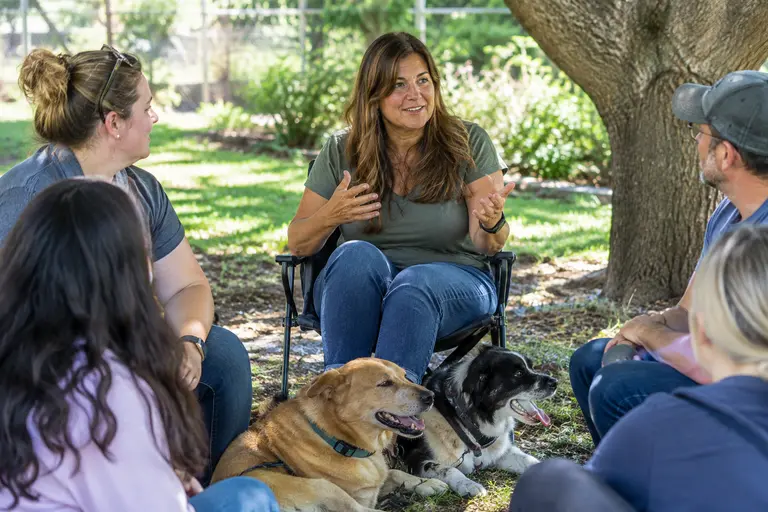
DogFest Events can inspire foster and rescue supporters because they show what preparation looks like in public. Canine Companions’ model includes training and ongoing support for service dog placements, and that long view is worth remembering in adoption work. A successful placement is not only a happy photo. It is the daily rhythm after the photo: meals, walks, rest, training practice, vet care, safe introductions, and people who know whom to call when they need help.
Foster volunteers understand this better than most. They see the gap between a dog’s public snapshot and private adjustment. A foster home may discover that a dog is calmer with predictable routines, more confident after quiet decompression, or better suited to a household without constant activity. None of that is failure. It is information. Events can open the door, but patient home-based care often helps a dog show who they are.
The strongest community pet events do not romanticize dogs. They respect them. They celebrate the bond while admitting the work behind it. That is why DogFest has something to offer beyond fundraising totals. It gives neighbors a shared place to learn that good outcomes are built, not wished into being.
DogFest Events And Community Support
As of October 24, 2026, the major 2026 dates named in the research had already taken place, so the next useful step is reflection. Which local teams grew stronger? Which first-time volunteers found a cause they want to keep serving? Which families learned something new about working dogs, puppy raising, or respectful public behavior around dogs? Those questions matter because they turn one event day into a wider circle of care.
For Canine Companions, the fundraising need is clear: each service dog represents major training, support, and cost, while recipients are not charged for the dog. For the broader pet community, the message is equally clear. Whether someone supports service dogs, fosters a shelter pet, transports supplies, or helps at a local adoption table, the work is shared. Dogs thrive when people prepare, listen, and commit beyond the easy moment.
That is the heart of DogFest: neighbors gathering around dogs while choosing responsibility over sentiment alone. The music fades, the booths close, and the leashes head home. What remains is the promise people made together—to support dogs with purpose, families with care, and communities where kindness is backed by action.