
Adoption success stories stay with us because they are never just about one joyful signing day or one photo at the shelter door. They are about the people who kept showing up before that moment: foster parents, teachers, caseworkers, rescue volunteers, transport drivers, donors, neighbors, and adopters who decided that belonging is worth the work.
As a rescuer, I hear the word adoption and think first of the kennel, the foster home, the shy cat under the chair, the senior dog waiting quietly while younger pets draw the crowd. But recent human foster care stories offer a powerful reminder for animal rescue communities too. Permanency does not happen by accident. It grows from trust, preparation, follow-through, and a circle of people willing to stay involved after the celebration.
We should be careful not to flatten human adoption and animal adoption into the same experience. Children, families, and legal systems carry needs and responsibilities that are distinct from pet rescue. Still, the shared lesson is deeply familiar: lives change when communities stop treating adoption as a single event and start treating it as a promise.
What Adoption Success Stories Teach Rescuers
One of the most moving recent examples came from Volusia County, Florida. On June 10, 2026, teacher Jackie Coombe finalized the adoption of Jaden, her former 11-year-old student, after first meeting him in second grade nearly three years earlier; he had been in foster care for three years before gaining a permanent family, according to an ABC News report. The heart of that story is not spectacle. It is recognition. Someone saw a child clearly, remembered him, and chose to become family.
In shelter work, recognition is often the first act of rescue. A volunteer notices that a dog who trembles in the kennel relaxes outside. A foster caregiver learns that a cat who hides all day comes alive after dinner. An adoption counselor hears a family say they want a running partner, then gently points them toward the dog who has been overlooked because she is not flashy in her kennel.
Adoption Success Stories Start With Showing Up
The best adoption success stories are rarely instant. They are built through ordinary acts that look small from the outside: a foster parent taking notes, a volunteer sending a clear photo, a rescue coordinator answering questions honestly, an adopter returning for a second visit instead of rushing the decision.
For pets, that patience protects everyone. Responsible adoption means asking whether the match fits the animal and the household. Does the adopter have time for decompression? Are all household members on board? Is there a plan for routine veterinary care with a licensed veterinarian? Can the family afford food, supplies, training support if needed, and safe housing for the pet’s full life?
Those questions are not barriers meant to discourage kind people. They are kindness in action. A rushed placement may feel exciting for an afternoon. A well-supported placement gives an animal the chance to stay home for good.
The Quiet Power Of One Committed Adult
In rescue, we talk often about the power of one foster. One open spare room can keep a nursing cat family out of a crowded shelter. One patient caregiver can help a shut-down dog rest enough to reveal who he is. One volunteer who returns every Saturday can become the reason a long-stay pet keeps receiving enrichment, affection, and visibility.
That is why recent adoption stories matter beyond their immediate families. They remind us that commitment has a ripple effect. A person who says yes to fostering may inspire a friend to transport. A neighbor who sees a successful adoption may donate supplies. A child who grows up with a rescued pet may become an adult who chooses adoption first.
From Foster Care Lessons To Shelter Care
The strongest bridge between human foster care and animal rescue is not sentimentality. It is support after placement. Adoption day may be beautiful, but the days after are where belonging is practiced.
For shelter animals, that may mean a quiet decompression period, predictable routines, slow introductions to resident pets, and honest communication with the rescue or shelter. It may mean asking for help early instead of waiting until frustration hardens. It may mean accepting that love is not a training plan, and that families sometimes need reputable behavior support and veterinary guidance.
Community groups can help by making adoption feel less lonely. Foster mentors can check in. Volunteers can gather supplies. Experienced adopters can share realistic encouragement. Local pet businesses can support adoption events without turning them into pressure-filled shopping trips. The point is not to create a perfect image. The point is to create a safety net.
Our own animal welfare circles already know this well. Volunteer-powered adoption days work best when the care begins before the doors open and continues after pets leave with their families. That same spirit is reflected in stories from pet adoption events powered by volunteers, where transport, greeting, fostering, and adopter support all help pets move toward lasting homes.
Why Aftercare Changes The Story
An adoption without aftercare can leave families feeling as if they have to choose between struggling in silence and giving up. Aftercare changes that. It gives adopters permission to ask normal questions: Why is my new dog pacing? Why is my cat hiding? How do we help a pet settle without forcing affection? When should we call the veterinarian?
For rescues and shelters, follow-up also creates better information. If several adopters report the same challenge, the organization can improve counseling, foster notes, or event preparation. If adopters say a particular handout helped, that resource can be shared more widely. Success is not luck repeated. It is learning repeated.
Adoption Events Need Community Memory
Some adoption stories also remind us that permanency can involve long legal shadows. On June 15, 2026, a federal judge granted asylum to a woman who had been adopted from Iran in 1973 by an American veteran but had not received citizenship because of bureaucratic gaps; the ruling ended months of legal uncertainty, according to a Washington Post report. That story is about human law and human rights, not pet rescue. Yet it carries a lesson every adoption-minded community should respect: paperwork, accountability, and long-term responsibility matter.
In animal rescue, records may not carry the same legal stakes, but they still matter. Accurate medical records, microchip information, adoption contracts, foster observations, and transfer details can protect pets and families. A dog’s known fear of thunderstorms, a cat’s preference for a quiet home, or a rabbit’s diet notes are not small details. They are pieces of continuity.
Adoption success stories become stronger when organizations preserve that continuity. Every handoff should carry care forward rather than starting from zero. That means clear notes, respectful communication, and a culture where asking questions is seen as responsible rather than inconvenient.
What Volunteers Can Do After The Applause
When an adoption event ends, the work shifts. The cages come down, the photos are posted, and the room gets quiet. That is when volunteers can make some of their most meaningful contributions.
- Offer practical follow-up: A friendly check-in can remind adopters that support is available without making them feel judged.
- Share honest foster notes: Clear observations about routines, fears, favorite rewards, and household needs help adopters prepare.
- Support the pets still waiting: Celebrate adoptions while returning attention to long-stay animals who need visibility.
- Promote responsible matches: Encourage adopters to choose based on lifestyle fit, not only appearance or urgency.
- Keep learning: Volunteers who understand stress signals, safe handling, and adoption counseling basics can better serve animals and people.
None of this requires hero language. It requires steadiness. The volunteer who updates a bio, washes bedding, drives a foster pet to an appointment, or calmly answers an adopter’s nervous question is part of the story.
Turning Adoption Success Stories Into Action
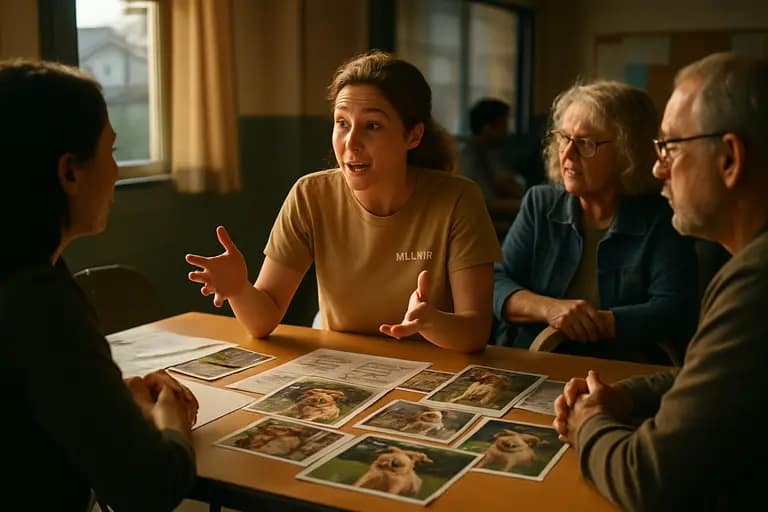
If recent adoption success stories move us, the next step is not simply to feel inspired. It is to become useful. For some people, that means adopting a shelter pet after careful thought. For others, it means fostering for a weekend, covering a transport leg, sponsoring an adoption fee, photographing available pets, or helping at a local event.
Responsible pet adoption also means knowing your limits. A good match respects the animal’s needs and the adopter’s real life. A senior cat may be perfect for a quiet apartment. A high-energy dog may need a family ready for daily activity and training support. A bonded pair may need someone willing to make room for two. The most compassionate choice is not always the fastest yes. It is the yes that can last.
Rescue work asks us to believe in second chances without romanticizing them. Some animals arrive scared. Some families need coaching. Some placements take time. But again and again, community turns uncertainty into belonging.
That is the shared thread running through every adoption story worth telling: someone stayed. Someone prepared. Someone followed through. And because of that, a life that could have remained in limbo moved toward home.
Adoption Success Stories In Foster And Volunteer Care
Adoption success stories are not finished when the camera clicks. They continue in morning walks, refillable water bowls, patient introductions, vet appointments, soft beds, and the first quiet moment when an animal finally sleeps deeply in a place that feels safe.
For those of us in rescue, that is why we keep opening doors. Every foster home, every thoughtful adopter, every volunteer shift adds one more chance for an animal to be seen as an individual rather than a number. Recent human adoption stories remind us how powerful permanence can be. Shelter work reminds us that permanence is built by communities willing to care before, during, and after adoption day.