
large dogs shelter stays are not just a shelter operations issue. They are a community mirror, showing us which pets are being noticed quickly and which ones are waiting behind kennel doors while smaller dogs move into homes sooner.
For anyone who has loved a gentle giant, a block-headed goofball, or a leggy dog who thinks they fit in a lap, the numbers feel personal. Still, advocacy has to start with care and facts. The data does not say large dogs are less loving, less adoptable, or less worthy. It says they are waiting longer, and that wait deserves our attention.
Why Large Dogs Shelter Stays Are Stretching
What Large Dogs Shelter Data Shows
According to the 2026 Hill’s State of Shelter Pet Adoption Report, large dogs now have the longest median length of stay before adoption among dog size categories Hill’s report. The same report, drawing on Shelter Animals Count data, shows large dogs’ median days to adoption rising from 11 days in 2019 to 20 days in 2024, while small dogs were around 14 days and medium dogs around 18 days in 2024 shelter adoption data.
That shift matters because time is one of the most limited resources in animal sheltering. A dog who waits 20 days needs housing, meals, cleaning, enrichment, handling, adoption counseling, and daily observation for nearly three weeks before placement. Multiply that by many dogs, and a shelter’s capacity can tighten quickly.
The ASPCA reports that approximately 5.8 million dogs and cats entered U.S. shelters and rescues in 2025 ASPCA shelter statistics. Within that broad national picture, the research shared for this piece points to a specific pressure point: dogs, especially larger ones, are staying longer than they did five years earlier.
What The Numbers Do Not Explain
The data tells us what is happening more clearly than why it is happening. It would be unfair to blame adopters, shelters, landlords, or the dogs themselves without local evidence. Each community has its own housing rules, family needs, transportation realities, and shelter intake patterns.
What we can say with confidence is narrower but still urgent: large dogs are waiting longer than small and medium dogs in the data provided. That creates a practical advocacy question. How can communities help people meet more big dogs with realistic support, rather than letting size become the first and last thing a potential adopter sees?
How Longer Stays Affect Dogs And Shelters
The Quiet Cost Of Waiting
A longer stay is not always a crisis for an individual dog. Many shelters work hard to provide enrichment, rest, human contact, and adoption visibility. But a shelter is not the same as a home. It is a shared, high-demand environment built to protect animals during transition, not to be their long-term landing place.
For staff and volunteers, longer stays can mean more daily care hours devoted to the same animals before a match is made. For the dog, it can mean more days being viewed in a kennel setting, where visitors may only see a slice of their personality. A large dog may look louder, stronger, or more energetic behind a barrier than they are after a walk, in a foster home, or during a calm meet-and-greet.
This is one reason large dogs shelter advocacy has to be careful. We should not paint every big dog as misunderstood, nor should we ask families to adopt beyond their ability. The goal is better matching. A good match protects the dog, the adopter, and the shelter that may otherwise see the pet returned.
Why Adoption Conversations Matter
Adoption is not a rescue fantasy. It is a long-term commitment with daily routines, costs, training needs, exercise needs, and health care. Large dogs may require more space in the car, stronger walking equipment, larger beds, and higher food budgets. Those practical details do not make them poor pets. They make preparation more visible.
Good adoption counseling helps move the conversation from “big dog” to “this dog.” Is the dog social, shy, bouncy, calm, playful, selective, or still decompressing? Has the shelter observed the dog in playgroups, on walks, or in a foster home? Are there known handling needs? Has a licensed veterinarian flagged any health considerations the adopter should discuss before placement?
Those questions respect the dog as an individual. They also respect the adopter. Responsible pet ownership begins before the leash is handed over.
Responsible Ways To Help Big Dogs Be Seen
Adopt With A Realistic Plan
If you are considering adoption, pause long enough to picture a normal Tuesday, not just the happy ride home. Think through your schedule, housing rules, household members, budget, and ability to manage a larger animal safely. If the shelter offers foster-to-adopt, trial adoption, behavior notes, or staff counseling, use those tools.
Questions worth asking include:
- What has the shelter observed about this dog’s energy level and comfort with people?
- Has the dog spent time outside the kennel, in foster care, or on day outings?
- What supplies, routines, or training support would help this dog settle in?
- Are there medical notes I should review with a licensed veterinarian?
- What is the shelter’s support process if I need guidance after adoption?
That kind of preparation is not a barrier to adoption. It is a kindness. It gives a large dog a better chance of staying home once adopted, which is the result everyone wants.
Support Without Adopting
Not everyone can bring home a large dog. That does not mean they are outside the circle of help. Fostering, volunteering, sharing shelter posts, sponsoring adoption fees when a shelter permits it, donating sturdy supplies, or helping with transport can all reduce pressure on local organizations. If your community is seeing crowded kennels, our related piece on shelter overcapacity support shares practical ways neighbors can step in without rushing into adoption.
Short-term foster care can be especially valuable when shelters offer it, because home notes often reveal details that are hard to see in a kennel. Does the dog nap after a walk? Do they enjoy puzzle toys? Are they more confident with a predictable routine? Those everyday observations can help adoption counselors describe the dog more fully.
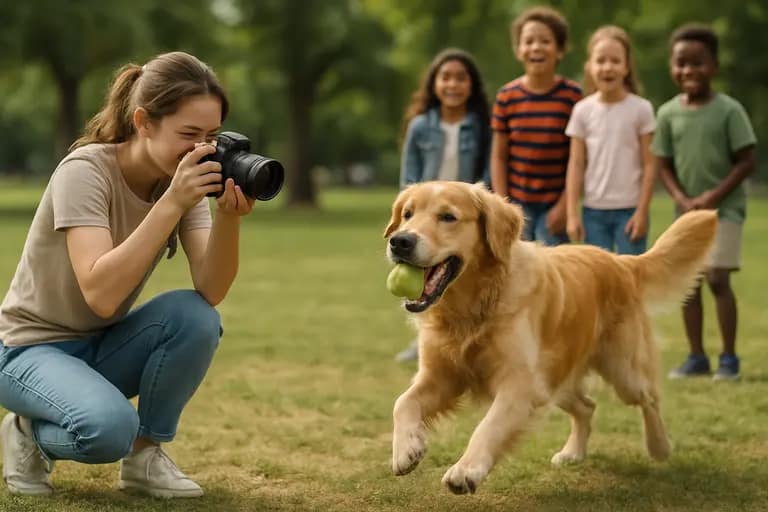
Even a thoughtful photo or honest bio can shift attention. A large black dog sitting softly beside a volunteer, a senior big dog enjoying a slow sniff walk, or a goofy mixed-breed leaning into a scratch behind the ears may help someone look past size and see personality.
Large Dogs Shelter Advocacy In Your Community
Large dogs shelter advocacy is strongest when it stays honest. Big dogs are not the right fit for every home, and no one should be pressured into adopting a pet they cannot safely or kindly support. But the data gives us a clear signal: larger dogs are waiting longer, and waiting has consequences for shelters, animals, and future intakes.
The humane response is not pity. It is better visibility, better preparation, and better support after adoption. Ask your local shelter what its longest-stay large dogs need. Offer a foster weekend if you are approved and able. Share one adoptable dog with a note about what kind of home the shelter says may fit. Encourage friends to meet dogs as individuals, not as weight classes.
Every adoption starts with a person choosing to look a little closer. For large dogs, that closer look can be the difference between being passed by and being known.