
Clear The Shelters has now closed its August 1 to August 31, 2026 adoption period, but its companion fundraising period remained active from July 15 through September 15, 2026, giving neighbors one more day from September 14, 2026 to support participating shelters and rescues. That timing matters for families who met a pet during the campaign, donors who wanted to give after adoption month, and foster caregivers who know that rescue work continues long after a public event ends NBCUniversal announcement.
The heart of a national adoption campaign is not a rushed handshake at a kennel door. It is a chance to slow down, ask better questions, and help each animal meet a home prepared for daily care. A campaign can open the door, but the real promise begins with the food bowls, litter boxes, leashes, routines, patience, and local support that follow.
What Clear The Shelters Accomplished In 2026
Clear The Shelters Dates And National Reach
The 12th annual campaign ran its adoption period across August 2026, with fundraising tied to the broader July 15 through September 15, 2026 window. Since the program launched in 2015, it has helped more than 1.3 million pets find adoptive homes and raised more than $5.6 million in donations nationwide, according to NBCUniversal. Those numbers are large, but behind every total is a smaller, quieter scene: a carrier buckled into a car, a senior dog learning a new hallway, a cat choosing the safest windowsill, or a child being taught how to give a newly adopted pet space.
Those adoption and fundraising totals also show why community events still matter. A shelter may need adopters, but it may also need foster homes, supplies, volunteers, and donations. For a family not ready to adopt, the campaign still offered a useful doorway into rescue support without making a lifelong decision before the household was ready.
Partners That Supported Access
Hill’s Pet Nutrition returned in 2026 for its ninth consecutive year with the campaign and its first year as presenting sponsor. The technology partner WeRescue also returned for an eighth consecutive year, offering virtual adoption tools that allowed prospective adopters to browse nearby pets by breed, gender, and size, and to ask questions directly with shelters. The Black Dog returned for a second year as a merchandise partner, with round-up donations and selected product collections benefiting the fund. NBCU Local also reported that the 2026 national TV special premiered on Friday, August 7, 2026 across NBC and Telemundo stations and featured celebrities and shelter pet stories NBCU Local release.
Tools and sponsors cannot replace careful adoption counseling. They can, however, make the first step less intimidating. A searchable adoption tool may help a renter look for size-appropriate pets, or help a family compare several shelters before calling. The healthiest use of those tools is not to shop by photo alone, but to prepare better questions for the people who know the animals.
Adoption Choices After A Campaign Month
The Right Match Matters More Than Speed
A public campaign can create a hopeful rush, yet thoughtful adoption should never feel like a race. The animal’s age, energy, known history, comfort with children or other pets, and daily care needs should fit the home as honestly as possible. If a shelter cannot answer every question, that does not mean the match is wrong; it means the adopter should be ready to learn gradually and keep communication open.
Responsible adoption also means looking past the first charming moment. A calm cat in a kennel may need days to decompress at home. A playful dog may need practice with household routines. A rabbit, guinea pig, or other companion animal may need housing and handling guidance from the shelter team. None of that is a reason to step away from adoption. It is a reason to prepare with kindness rather than impulse.
Questions To Ask Before Bringing A Pet Home
Good questions protect both the pet and the adopter. They also show shelter staff that the home is thinking past the happy photo. Before signing adoption paperwork, families can ask:
- What has the shelter or rescue observed about this pet’s daily routine, comfort level, and handling preferences?
- Are there known housing, diet, grooming, exercise, or enrichment needs the adopter should plan for right away?
- How should the pet be introduced to existing household pets, if the shelter has guidance for that species and situation?
- What support is available after adoption if the family has questions during the first few weeks?
- For health questions, what records are available, and when should the adopter follow up with a licensed veterinarian?
These are not barriers. They are bridges. The goal is not to find a perfect pet on paper, but to build a safe start for a real animal with preferences, fears, habits, and trust to rebuild.
Donations, Fostering, And Volunteer Support
Giving While Fundraising Remains Open
As of September 14, 2026, the adoption month had passed, while the related fundraising period for Clear The Shelters was still set to run through September 15, 2026. For people who could not adopt in August, giving remains one way to take part. Donations help shelters and rescues continue work that is less visible than adoption day: daily feeding, cleaning, transport coordination, intake support, and the steady human time required to care for animals waiting for homes.
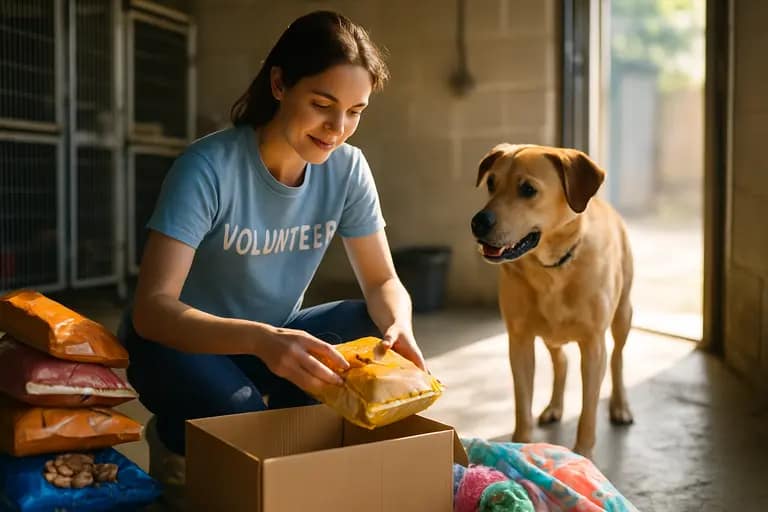
Support does not have to be dramatic to matter. A modest gift, a foster application, a shift helping at a shelter, or a shared post from an official rescue page can all connect more people to adoptable animals. Readers who want a campaign recap with practical next steps can also read our related piece on Clear The Shelters lessons.
Foster Care As A Bridge
Fostering is one of the most generous forms of temporary help, but it should be entered with clear expectations. A foster caregiver may be asked to provide a quiet place, transport to appointments arranged by the organization, photos or notes about the pet’s behavior, and honest updates about what the animal seems to enjoy or fear. Because every rescue has its own procedures, the safest first step is to ask the organization what training, supplies, and emergency contact support it provides.
Foster homes can also help adopters see an animal more clearly. A pet who is shy in a shelter may show a different side in a calmer home. A dog’s house manners, a cat’s favorite resting places, or a small animal’s handling comfort may become easier to describe. That information can help future adopters choose with compassion instead of guessing from a kennel visit alone.
Helping Pets In Need After Clear The Shelters
Clear The Shelters offered a national moment, but the need for steady care belongs to every week of the year. On September 14, 2026, the best next step depended on the household: adopters could review local shelter listings, donors could give before the September 15 fundraising end date, and foster-minded neighbors could ask rescues what help is most needed after the August adoption push.
The most loving response is also the most practical one. Adopt if your home is ready. Foster if you can offer time and patience. Donate if you have funds to share. Volunteer if your schedule allows. If none of those fit right now, speak kindly about adoption and rescue, share verified shelter posts, and encourage friends to think beyond breed, age, or first impressions. A pet’s future is shaped by many small choices made by people who decide that waiting animals are worth seeing, supporting, and welcoming with care.