
The Big Bear Adoption event held on August 8, 2026, at Petco Big Bear in Big Bear Lake, California, gave local families a focused chance to meet adoptable pets through a partnership between San Bernardino County Animal Care and Petco Love. Adoption fees were fully sponsored by the Animals aRe First Fund, known as ARFF, according to the county event listing for the Petco Big Bear event. That detail matters because a sponsored fee can remove one barrier, while still leaving the deeper responsibility exactly where it belongs: with a prepared, committed adopter.
For shelters and rescue partners, adoption events are never just a room full of kennels and hopeful faces. They are community coordination in action. Staff and volunteers bring animals into a public setting, answer questions, encourage thoughtful matches, and help people see shelter pets as individuals. The best outcomes happen when the excitement of meeting a pet is paired with honest planning for food, housing rules, training, routine care, and long-term support.
Why The Big Bear Adoption Event Matters
Big Bear Adoption As A Local Access Point
A mountain community can feel close-knit and spread out at the same time. An event hosted at a familiar retail location can make adoption feel more reachable for people who may not have visited a shelter recently. The Big Bear Adoption setting at Petco Big Bear gave adoptable pets more visibility and gave families a direct way to talk with animal care representatives.
That public access is not a small thing. Many people care about shelter animals but hesitate because they are unsure what questions to ask or whether they are ready. A well-run adoption event can create a softer first step. People can learn about available pets, hear what daily care may involve, and decide whether adoption fits their household. If the timing is not right, they can still leave with a clearer understanding of how to support shelters through fostering, volunteering, donating, or sharing adoptable pets with others.
Sponsored Fees And Thoughtful Matches
Fee sponsorship can draw attention, but it should never be treated as the whole story. The research available for this event confirms that adoption fees were fully sponsored by ARFF. It does not provide an adoption total for the day, so any claim about the number of pets placed from this specific event would be guesswork. What can be said with confidence is that sponsored-fee events can bring more people into contact with adoptable animals, especially when trusted animal care teams are present to support the process.
A sponsored adoption still carries real costs after the adoption is complete. Families need to plan for food, supplies, licensing where required, preventive care recommended by a licensed veterinarian, safe transport, and time for a pet to settle in. An adoption fee may be covered, but responsible ownership is a long promise. That is why the most meaningful adoption event is not the one with the fastest decisions. It is the one where a pet and a person are matched with care.
What Larger Adoption Days Can Teach Communities
The California Adoption Signal
While no public total was available in the provided research for the Petco Big Bear event, statewide adoption efforts show how coordinated events can have a large reach. The ASPCA reported that the second California Adopt-a-Pet Day found homes for nearly 5,000 pets across 212 event locations on June 7, 2025, surpassing the prior year’s total of 3,609 adoptions, according to the ASPCA adoption day report.
Those numbers do not tell us what happened in Big Bear on August 8, 2026. They do show that when shelters, nonprofits, sponsors, and local venues work together, adoption access can expand. The lesson for small communities is encouraging: even one local event is part of a wider culture of adoption. Every conversation can matter. Every shared post can matter. Every careful match can open kennel space and give one animal a more stable future.
Why Numbers Need Context
Big adoption totals can be inspiring, but animal welfare work is not only about volume. A pet’s success after adoption depends on whether the household understands that animal’s needs, has time for adjustment, and can seek professional support when concerns arise. If a pet shows signs of illness, pain, or significant behavior changes, adopters should contact a licensed veterinarian or a qualified professional rather than relying on social media advice.
For the Big Bear Adoption effort, the stronger takeaway is not a number. It is the structure: a county animal care agency, a national nonprofit partner, a local Petco site, and a fund sponsor working toward the shared goal of placing adoptable pets. That kind of collaboration gives community members more ways to participate, even if they are not ready to adopt that day.
How Families Can Prepare Before Meeting Adoptable Pets
Home Readiness Before The Event
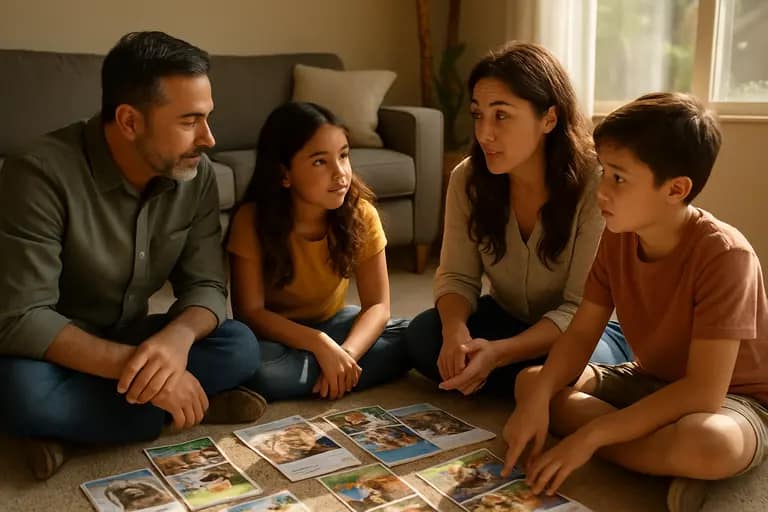
Adoption begins before anyone falls in love with a face. A family should talk through schedules, landlord or housing rules, allergies, activity level, pet care budget, and who will handle daily responsibilities. If other pets live in the home, families should ask the shelter or event team how introductions are usually handled and what information is known about the adoptable pet. No event team can predict every future behavior, but honest questions help everyone make a wiser decision.
For people interested in other local-style events, our coverage of Petco adoption events offers a related look at how families can meet adoptable pets while keeping the focus on fit, patience, and long-term care.
- Plan the first week: Choose a quiet space, set a feeding routine, and give the pet time to decompress.
- Budget beyond the fee: Include food, supplies, routine veterinary care, licensing if applicable, and safe identification.
- Ask direct questions: Learn what is known about age, size, energy level, handling comfort, and prior observations.
- Bring the household into the decision: Adoption works best when every responsible adult agrees on the commitment.
- Respect uncertainty: Shelter teams may not know a pet’s full history, so flexibility and patience are essential.
Questions That Support A Good Match
Good adoption questions are not about finding a perfect animal. They are about finding a realistic match. A calm senior pet may need a different home rhythm than a young, energetic dog. A shy cat may need a quieter start than a confident, social cat. A family with small children may need to ask different questions than a single adult who works from home.
At a Big Bear Adoption event, the most compassionate choice may be to adopt, foster later, donate, or simply learn. People sometimes feel pressure to decide quickly, especially when fees are sponsored. A caring community can change that tone by celebrating thoughtful decisions, not rushed ones. The right yes is powerful. So is an honest not yet.
Big Bear Adoption Event Impact For Rescue Communities
A Practical Win For People And Pets
The clearest impact of the Petco Big Bear event is its model of shared responsibility. San Bernardino County Animal Care brought adoptable pets into the community. Petco Love was part of the collaborative effort. ARFF sponsored the adoption fees. Local residents had a chance to meet animals who needed homes. Even without a published adoption total, that structure is meaningful because it builds bridges between shelters and the people who can support them.
The Big Bear Adoption story also reminds us that rescue work depends on more than one day. Adoption events can open doors, but the follow-through happens at home: patient introductions, veterinary care through licensed professionals, safe routines, and a willingness to ask for help early. For shelters, the community lift continues through volunteers, foster homes, donations, and neighbors who speak kindly and accurately about adoption.
For Big Bear Lake and communities like it, the opportunity is beautifully simple. Show up for shelter pets before the crisis point. Meet them in public spaces. Support the teams doing the work. Choose adoption when ready, and support adoption when not. That is how one event becomes more than a date on a calendar. It becomes a local habit of care.