
Dogs and cats usually start aging between seven and ten years old. This time, they face more health problems like arthritis, kidney disease, and losing their sight.
Special groups now help these older pets. Places like Albert’s Dog Lounge, Frosted Faces Foundation, and Lily’s Legacy Senior Dog Sanctuary are across the U.S. They give a safe place and geriatric care to older animals who have been left behind.
These places are different from regular animal shelters. They know how to care for each breed, like older Labradors or Persian cats. They make care plans that meet the needs of each breed.
These sanctuaries and foster homes fill a big need in animal care. They make sure older animals live their final years with dignity.
Why Senior Rescues Matter
Senior animal rescues are vital because older pets often don’t get adopted. They might face euthanasia because of their age and health. This is a big problem.
These rescues are needed because general shelters can’t help them enough. They focus on giving a safe place to these pets.
Organizations like Animal Synergy and Forever Loved Pet Sanctuary are examples. They provide a safe home for seniors. Senior Dog Haven & Hospice also cares for pets with serious health issues.
Senior rescues are key in managing chronic diseases. General shelters might not have the resources for this. Senior dogs are more likely to have health problems like kidney disease and diabetes.
These rescues have the right staff and funds for ongoing care. They can handle the medical needs of senior pets. This is their main job.
Knowing about breed predispositions helps in caring for pets. Rescues with this knowledge can plan better care for each pet.
These organizations are a lifeline for older pets. They help them get the care they need while looking for a forever home. You can learn more about adopting a senior pet at this guide.
Without these rescues, many senior pets would have nowhere to go. Their work is both a humanitarian effort and a practical solution.
Age-Related Breed Risks
Geriatric animals face unique health challenges based on their breed and size. Rescue groups use this knowledge to tailor their care. Knowing about breed-specific health issues is key to good geriatric care.
Large-breed dogs often get arthritis and mobility problems as they age. Breeds like German Shepherds, Labradors, and Great Danes are at high risk. Places like Woody’s Place Senior German Shepherd Sanctuary focus on these needs.
These dogs suffer from chronic pain and move less. Early vet visits check their joints and manage pain. This helps rescues plan for their long-term care.
Small-breed dogs, like Chihuahuas and Shih Tzus, are prone to severe dental disease. Their crowded teeth and long lives lead to serious gum problems. If not treated, this can cause infections and harm organs.
Rescues start with thorough dental checks. Dental X-rays often show hidden problems. Fixing these issues is vital for chronic disease management in small senior dogs.
Certain cat breeds, like Persians, are at risk for Hypertrophic Cardiomyopathy (HCM). This heart condition makes the heart walls thick and abnormal.
HCM can cause heart failure, blood clots, or sudden death. Rescues screen Persian cats for heart issues. Early detection helps plan the right treatment.
This knowledge helps rescues focus their efforts. Vets know which tests to do first based on the animal’s breed. This makes the most of limited resources.
Knowing these common issues helps rescues plan better. It allows for early treatment, which can slow disease. This planning is key for geriatric care to work well.
The aim is to prevent disease, not just treat it. Understanding breed risks helps plan each animal’s health journey. This approach improves their lives and outcomes.
Medical Protocols and Cost Modeling
Rescues for older animals use detailed medical plans to keep animals safe and affordable. Every senior animal gets a full vet check at first. This sets a health baseline.
Every new senior gets a full physical and blood tests. Groups like Frosted Faces Foundation and Payton’s Promise Sanctuary do this.
Key tests are the base of geriatric care:
- Complete Blood Count (CBC) and biochemistry profile
- Urinalysis for kidney function assessment
- Dental evaluation and cleaning if needed
- Imaging such as radiographs for arthritis screening
Vets say seniors need check-ups twice a year. Blood and urine tests help catch diseases early. These tests help plan the animal’s care costs.
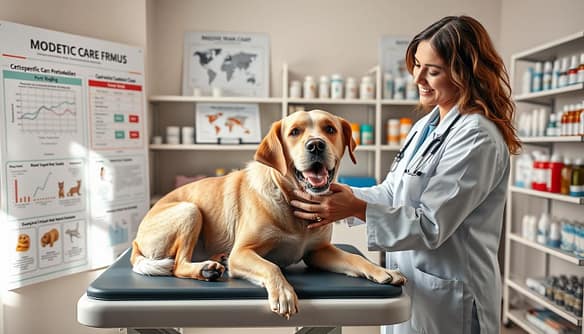
Rescues have two main ways to handle finances. One is for pets that can be adopted. The other is for those in a hospice foster program.
For adoptable seniors, costs cover tests, treatments, and surgeries. The aim is to make them healthy enough for adoption. Hospice cases focus on comfort and quality of life.
| Program Type | Primary Medical Goal | Key Diagnostics | Cost Modeling Focus |
|---|---|---|---|
| Adoptable Senior | Disease treatment & stabilization | Baseline + ongoing monitoring | Long-term curative care budget |
| Hospice Foster | Pain management & comfort | Baseline + comfort-focused checks | Palliative care & quality-of-life expenses |
This method helps rescues plan their spending well. It makes sure they have enough money for care. The hospice foster model focuses on comfort, not cure.
Keeping up with geriatric care means working with vets closely. Rescues often get better rates for services. This helps them stay within budget for comprehensive care.
These plans help rescues care for seniors well. They balance animal needs with the rescue’s budget.
Temperament and Quality-of-Life Assessments
Deciding a senior pet’s future involves two key steps: checking their behavior and their overall quality of life. Rescue groups do these checks to find the best home for each pet. They use a careful, data-based method.
Behavioral tests help figure out how a pet acts. Places like Lily’s Legacy use set tests. These tests see how pets react to people, other animals, and their surroundings. They look for signs of fear, aggression, or friendliness.
Medical checks are the heart of geriatric care. Vets and care staff look at many things. They measure pain, check how well pets move, and see if they can think clearly. They also see if pets seem to enjoy life, like eating or playing gently.
What pets do in these tests decides where they go next. Pets that are friendly and have minor health issues can be adopted. Those with bigger health needs might go to a sanctuary. Pets with serious or terminal illnesses go to a hospice foster program. These programs, like Senior Dog Haven & Hospice, focus on making pets comfortable and dignified at home.
The table below shows how these tests help make these important decisions.
| Placement Pathway | Primary Assessment Drivers | Typical Support Needs | Example Organization Focus |
|---|---|---|---|
| Adoption | Stable temperament, manageable medical issues, good mobility. | Routine vet visits, joint supplements, dental care. | Lily’s Legacy Senior Dog Rescue |
| Sanctuary Care | Significant medical needs requiring ongoing oversight, but good quality of life. | Daily medication, physical therapy, specialized diets. | Rescues with on-site medical facilities |
| Hospice Foster | Terminal diagnosis or severe decline, with comfort as the primary goal. | Pain management, palliative care, mobility aids. | Senior Dog Haven & Hospice |
As pets get older, they might lose their sight or hearing. This can change how they act. It also affects how happy they seem. It’s important to judge them based on what they can do, not their age.
The goal is to find a good home for every pet. Some pets find a loving family. Others get special care in a sanctuary or hospice foster home. Knowing about these options is key for anyone thinking about fostering shelter pets, like seniors. This careful approach is what modern geriatric care in animal rescue is all about.
Matching Seniors with Adopters
Programs like Pattie’s Waggin’ Tails Senior Sanctuary have special plans, like “Senior Dogs for Senior Citizen Forever Foster.” This shows how careful they are in senior pet rescue. They look for more than just a good match.
They check the home environment carefully. They look at the floors, stairs, and outdoor safety. They also consider the other pets in the home.

They ask a lot of questions through applications and interviews. They want to know about the owner’s lifestyle and finances. They make sure the owner can handle the pet’s future vet bills.
They also check if the owner is emotionally ready. This is very important for hospice foster cases. They want to make sure the owner understands the pet’s needs at the end of life.
They might visit the home in person or online. This step helps make sure the home is right for the pet. They can give advice, like adding non-slip rugs or making the home one-level.
Getting the match right is very important. It helps the pet stay in a loving home. This careful process helps the pet feel safe and happy.
Measuring Outcomes (Length of Stay, Rechecks, Returns)
Quantitative metrics give a clear view of a rescue’s success in caring for older animals. Senior-specific rescues use data to check if their programs work well. They make sure animals are safe and show they are doing a good job.
Three main metrics are tracked by all. These are the average time an animal stays, how often animals go back for vet checks, and how many animals are returned. These metrics help create a full picture of how well a rescue is doing.
The average length of stay shows how well a rescue places animals. It’s the time from when an animal comes in to when it’s adopted. If this time stays the same or goes down, it means the rescue is doing a good job. But if it goes up, it might mean the rescue needs to change how it finds homes or supports foster families.
How often animals go back for vet checks is very important. It shows if the animals are getting the care they need after they’re adopted. Rescues keep track of this by calling adopters and asking for vet records.
How many animals are returned is another key measure. A low return rate means animals are staying with their new families. But if many animals come back, it means the rescue needs to look at how it matches animals with families. This helps make sure animals are well cared for for their whole lives.
By looking at these outcomes, rescues can make their care for older animals better. They can change how they treat medical conditions and how they use resources. This way, they can show donors and supporters how they are making a difference. It ensures older pets get the best care possible.
Fundraising and Medication Partnerships
Managing the high costs of care for older animals needs new funding and partnership ideas. A senior pet rescue uses two main ways to fund: public fundraising and working with companies. This helps pay for tests, surgeries, and managing long-term health issues.
Groups like DaisyLu Ranch and the Top Dog Foundation are non-profits. This lets them ask for donations and apply for grants. They get help from the community through events, online campaigns, and regular donors.
Partnerships help with medical costs. Vets often give discounts or work for free. Companies also give discounts on medicines and food.
These partnerships help pets get the care they need. For example, Payton’s Promise uses a pool and laser therapy. This is thanks to partnerships and grants.
Together, fundraising and partnerships create a strong system. It lets rescues care for pets with big health problems. This model helps senior pet rescue work well for a long time.
Case Files: Successful Senior Placements
Here are stories of how rescue groups use breed knowledge to help seniors. These examples show how well they care for older animals.
Places like Woody’s Place for German Shepherds and Old Dogs Go To Helen for hospice dogs are great examples. They show that a focused plan can really help.
Case File: Canine, Large-Breed Arthritis
A nine-year-old German Shepherd mix came to rescue with big mobility problems. Tests showed he had bad hips and arthritis, common in big dogs.
He got daily joint meds, pain meds, and gentle exercises. This plan helped him a lot in just eight weeks.
They looked for a home with no stairs and easy floors. A retired couple with shepherd experience was the perfect match. They adopted him and he’s happy and healthy.
Case File: Feline, Managed Cardiac Condition
A senior Persian cat was brought in with heart issues. Tests showed he had a serious heart problem, common in Persians.
The vet set up a plan to manage his heart. Knowing he wouldn’t get better, they found a special foster home.
This home was quiet and knew how to give him his meds. The cat lived a good life for over a year, showing the foster care worked well.
These stories show how important it is to tailor care to each animal’s needs. Different breeds and health issues need different approaches.
| Animal | Breed | Primary Condition | Key Intervention | Outcome |
|---|---|---|---|---|
| Canine (Max) | German Shepherd Mix | Severe Arthritis | Joint Supplements & Physical Therapy | Adoption into Single-Level Home |
| Feline (Luna) | Persian | Hypertrophic Cardiomyopathy (HCM) | Medication Management & Hospice Foster Placement | Quality of Life in Dedicated Hospice Care |
These stories prove that knowing about breed risks helps plan better care. Hospice programs also make sure animals with no cure are comfortable. These successes show that the right care and homes can make a big difference.
How to Foster or Adopt a Senior
Starting with a senior pet rescue means doing your homework. Look for groups that focus on older animals. Places like Old Friends Senior Dog Sanctuary or The Grey Muzzle Organization have all the details on their websites.
Getting ready to adopt or foster involves filling out forms and talking to people. Rescues check if your home is right for the pet’s needs. Making your home senior-friendly is easy. Just add ramps, orthopedic beds, and non-slip floors.
Fostering a senior pet can be a big help. It gives them a safe place to recover or live out their days. Adopting a senior is a lifelong promise. Both options come with support from the rescue, including help with vet visits.
Choosing to care for a senior pet is a big deal. It means you’re ready to handle their special needs. If you’re interested, reach out to a local senior pet rescue. They’ll guide you through the first steps.